That Wet, Angry Patch on Your Dog's Hip Isn't Just a Scratch
Two summers ago my neighbor's golden retriever, Max, went from fine at breakfast to a golf-ball-sized oozing sore on his flank by dinner. She thought he'd been stung by something. By the next morning it was the size of her palm. That's a hot spot — acute moist dermatitis — and if you've never dealt with one, the speed is genuinely alarming. These lesions can expand an inch or more in a few hours, and the smell hits you before you even see it. Owners often waste two days trying coconut oil and vet wraps while the infection tunnels deeper into the skin.
Here's the thing nobody tells you at the pet store: hot spots are almost never the real problem. They're a symptom. The dog itches, chews, or scratches a spot raw, bacteria that already live on the skin (usually Staphylococcus pseudintermedius) move in, and the dog's immune response creates a self-perpetuating cycle of itch-scratch-itch. Stop the cycle fast and you win. Wait, and you're looking at a vet bill, antibiotics, and a cone for two weeks.
According to the American Veterinary Medical Association, skin conditions — including hot spots — are among the top reasons dogs visit the vet each year. So this isn't a rare edge case. It's one of the most common things you'll face as a dog owner.
What Exactly Is a Hot Spot?
The medical term is acute moist dermatitis, and the name is dead accurate. Acute means it comes on fast. Moist means it weeps. Dermatitis means inflamed skin. Vets sometimes call it pyotraumatic dermatitis if there's pus involved, which there usually is.
What you'll see: a well-defined, red, raw patch that's often wet with serum or pus. The hair over it is usually matted and stuck to the skin. Your dog will lick, chew, or scratch at it obsessively. It smells yeasty or frankly foul. It's painful — dogs will flinch when you touch it, and some get snappy about it. A dog that has never shown aggression before may snap when someone tries to move the fur aside to look. That's how much these hurt.
Where they show up: anywhere the dog can reach. That means the hip, the flank, the base of the tail, the side of the face, the neck under the collar, and the outer ear. Long-haired breeds with dense undercoats — goldens, huskies, Newfoundlands, Saint Bernards — get them worse because moisture gets trapped against the skin and the fur hides the early stages until it's big.
The Real Causes (and Why 'Just Allergies' Is Only Half the Answer)
Anything that makes a dog itch can kick off a hot spot. But some triggers are far more common than others.
Flea allergy dermatitis. This is the number one cause in many dogs, especially in summer. A single flea bite on a flea-allergic dog can cause itching for days. The classic location is the lower back and tail base — exactly where hot spots love to form.
Environmental allergies. Pollen, grass, mold spores. Dogs with atopic dermatitis scratch and chew seasonally. Spring and fall are peak hot spot season for these dogs.
Food allergies. Less common than people think, but real. Usually accompanied by year-round itching, ear infections, and GI upset.
Ear infections. A dog with an infected ear will scratch at it constantly. The scratch creates a hot spot on the side of the face or the ear flap. If your dog has a hot spot near the ear, get the ear checked — you may be treating the wrong thing.
Anal gland problems. Dogs with impacted or infected anal glands scoot and chew at the tail base. Same story.
Moisture and poor grooming. A dog who swims daily and never gets dried properly, or a thick-coated dog in humid weather, is a hot spot waiting to happen. Matting traps moisture and pulls at the skin, which starts the itch.
Boredom and stress. Under-exercised dogs sometimes lick compulsively. It's a displacement behavior, and it creates the same lesion.
Notice the pattern? The hot spot is the visible end of a chain that started somewhere else. Treat the spot without treating the trigger and it comes back. Dogs show up on their fourth hot spot in two months because the owner kept buying topical spray instead of figuring out why the dog was itching.
What to Do in the First Hour
Speed matters more than anything else here. If you catch a hot spot when it's the size of a quarter, you can often manage it at home with a call to your vet. If it's the size of a silver dollar or bigger, or it's already oozing pus, call the vet before you do anything else.
Here's the at-home protocol vets generally recommend for small, early spots:
1. Clip the fur around the lesion. Not shave — clip. You want to expose the skin and let air get to it. Use blunt-nosed grooming clippers and go slowly. If the spot is painful, your dog may not tolerate this. Don't force it. A groomer or vet tech can do it in five minutes if you can't.
2. Clean gently with a dilute antiseptic. Chlorhexidine solution (the kind sold for veterinary use, typically 2 to 4 percent) diluted per the label, or plain saline. Don't use hydrogen peroxide — it damages healthy tissue and slows healing. Don't use alcohol — it stings like crazy. Vet-strength chlorhexidine wipes are a cheap and effective option to keep on hand. Here's one example: chlorhexidine antiseptic wipes for dogs.
3. Pat dry. Don't rub. Rubbing spreads bacteria and irritates the skin further.
4. Prevent the dog from reaching it. This is non-negotiable. An Elizabethan collar, a soft recovery cone, or a surgical suit — whatever your dog tolerates. If they can still reach the spot, everything else you do is wasted. Dogs can lick through a bandage. A cone is not optional.
5. Call your vet. Even if it looks small. They may want to prescribe a topical antibiotic-steroid combination, an oral antibiotic, or a short course of steroids to break the itch cycle. Hot spots that are infected need antibiotics. No home remedy substitutes for that.
What not to do: don't apply human hydrocortisone cream (dogs lick it off and it's not formulated for them), don't use tea tree oil (toxic to dogs in sufficient quantities), don't wrap the spot in a bandage that traps moisture, and don't wait to see if it gets better on its own. It won't.
Vet Treatment: What to Expect
Your vet will do a skin cytology — basically a tape prep or scraping examined under a microscope — to confirm what's growing. If it's a straightforward bacterial hot spot, the typical protocol is:
Clipping and cleaning of the area, often with the dog sedated if it's large or painful.
Topical treatment, usually a combination product with an antibiotic, an antifungal, and a steroid. Brands like Animax, Gentocin, or Mupirocin ointment. Applied two to three times daily for one to two weeks.
Oral antibiotics for 7 to 21 days if the infection is deep or widespread. Cephalexin is the workhorse. Finish the whole course even if it looks healed in five days. Stopping early is how you breed resistant bacteria.
Oral steroids or Apoquel to shut down the itch. This is the part that stops the cycle. Without it, the dog keeps scratching and the spot keeps growing.
Flea control, if fleas are involved. Prescription preventatives are far more effective than over-the-counter products. According to the FDA, some OTC flea products have been linked to serious adverse reactions in dogs, so a vet-prescribed option is the safer route.
Most hot spots start improving within 48 hours of treatment and resolve in one to two weeks. If yours isn't improving in three days, call the vet back. There may be a deeper issue — a foreign body, a resistant infection, or an underlying endocrine disease like hypothyroidism or Cushing's.
Preventing the Next One
Once you've dealt with one hot spot, you'll do almost anything to avoid another. Here's what actually works.
Dry your dog thoroughly after every swim or bath. Towel dry, then use a forced-air dryer on thick-coated breeds. Pay attention to the armpits, groin, neck, and tail base. If you can feel dampness against the skin, you're not done.
Keep up with flea prevention year-round. Not just in summer. Flea allergies are the single most common trigger, and a missed dose in January can still cause a hot spot in a heated house.
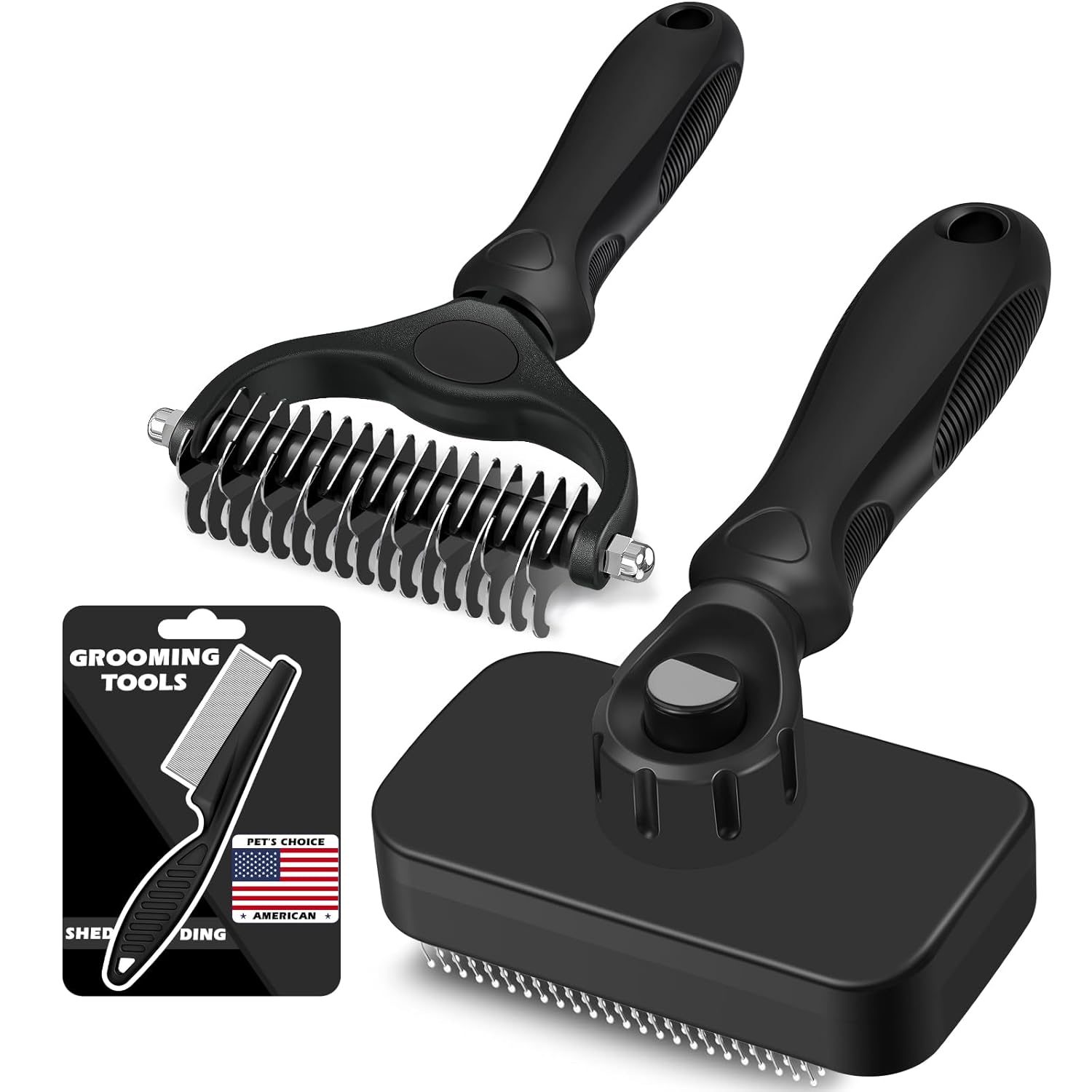
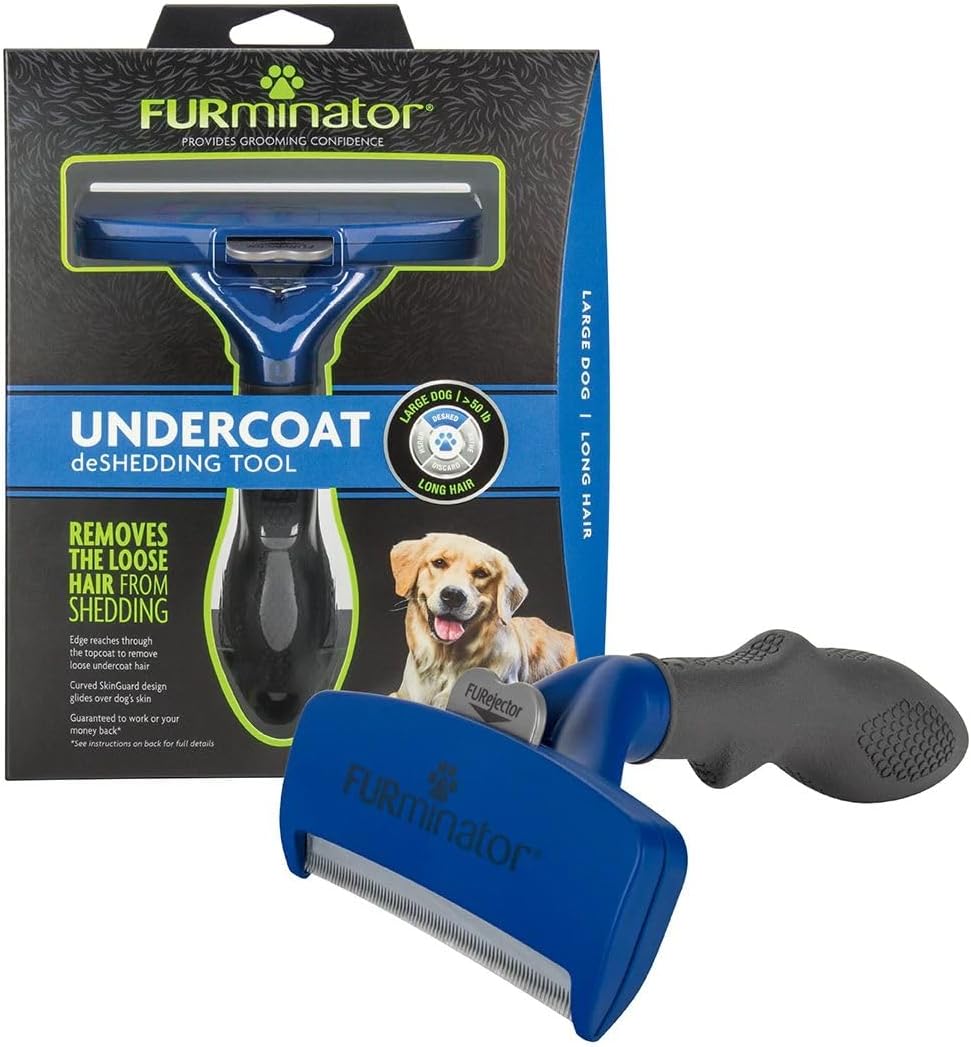
Brush regularly and deal with mats immediately. Matting pulls at the skin, and the itch starts right there. For double-coated breeds, a good undercoat rake is worth its weight in gold. This one has held up well for me: undercoat rake for double-coated dogs.
Manage allergies aggressively. If your dog itches seasonally, talk to your vet about antihistamines, Apoquel, Cytopoint, or immunotherapy. Controlling the itch is how you prevent the hot spot.
Check your dog over weekly. Run your hands over their whole body. You'll find small spots before they become big ones. Takes two minutes.
Address boredom. A tired dog doesn't lick compulsively. More walks, more sniff work, more chew toys. I'm a big fan of snuffle mats for this — they burn mental energy fast, which is what anxious lickers actually need. Here's one that's survived a year with my two dogs: snuffle mat for dogs.
Keep the collar clean and dry. A wet collar against the neck is a classic hot spot setup. Rotate collars, wash them, or take them off when the dog swims.
When It's Not a Hot Spot
A few things look like hot spots but aren't, and treating them wrong makes things worse.
Ringworm. A fungal infection that can look like a circular, crusty, hairless patch. It's contagious to humans. Needs antifungal treatment, not antibiotics.
Mange. Demodex or sarcoptic mange causes hair loss, crusting, and intense itching. Sarcoptic mange is contagious to people. Needs a vet diagnosis and specific treatment.
Skin fold dermatitis. Common in bulldogs, pugs, and shar-peis. It happens in the folds, not on flat skin, and needs a different approach.
Anal gland abscess. If the swelling is right next to the anus, that's not a hot spot. It needs to be drained by a vet.
Insect bite or sting reaction. Usually smaller, with a visible puncture or swelling, and no matted fur over a weeping sore.
If you're not sure, don't guess. A vet visit costs less than a week of wrong treatment.
Frequently Asked Questions
Can I use human antibiotic ointment on a dog hot spot? No. Neosporin and similar products contain ingredients dogs shouldn't ingest, and they're not formulated for canine skin. Use a vet-recommended product.
How fast do hot spots spread? Fast. A small spot can double in size in 12 hours and reach palm-sized in 24 to 48 hours if the dog keeps scratching. Speed of treatment is everything.
Are hot spots contagious to other dogs? The underlying trigger usually isn't, but the bacteria involved can spread to broken skin on other pets. Keep the affected dog's bedding separate until it heals.
Can I just leave it alone? No. Hot spots don't self-resolve. They get bigger, deeper, and more painful. Untreated, they can turn into deep pyoderma that requires weeks of antibiotics.
Do hot spots come back in the same spot? Often, yes — especially if the underlying trigger (allergies, fleas, moisture) hasn't been addressed. That's your signal to dig deeper than the surface.
The Bottom Line
Hot spots are one of those problems where doing the right thing in the first hour saves you a week of misery. Clip the fur, clean with chlorhexidine, cone the dog, and call your vet. Don't wait, don't improvise with kitchen remedies, and don't assume it's just a scratch. If your dog gets them repeatedly, stop treating the spots and start treating the cause — allergies, fleas, moisture, or boredom. That's where the real fix lives. Your dog will thank you by not needing a cone ever again.
Related Reading
Want more on this topic? Check out our guides on best dog harnesses comfort and control on every walk, best dog ear cleaners infection treatments, best dog dna test kits.