That Red Swollen Pad on Your Guinea Pig's Foot Is Not a Bruise
Disclosure: PawCritic is reader-supported. A few links below are Amazon affiliate links, and we may earn a small commission if you purchase through them at no extra cost to you.
Owners frequently describe noticing a red, swollen foot on their guinea pig and assuming she 'must have landed weird off her hideout.' No. Guinea pigs don't bruise the bottoms of their feet from hopping off a wooden house. What you're looking at is almost certainly pododermatitis, better known as bumblefoot, and it ranges from mild redness on a weight-bearing pad to a deep, infected, bone-level ulcer that can kill a pig. The gap between stage one and 'we need xrays and antibiotics' can be as short as a few weeks if the setup causing it stays the same.
The frustrating part is that bumblefoot is one of the most preventable conditions in the entire small-pet hobby. It doesn't come from bad luck or genetics in most cases. It comes from wire floors, urine-soaked bedding, obesity, and a lack of vitamin C. Fix those four things and you eliminate the overwhelming majority of cases before they start. According to the Merck Veterinary Manual exotic and laboratory animals reference, husbandry-related foot lesions are among the most common reasons small herbivores like guinea pigs present for exotic veterinary care, and most trace back to enclosure conditions the owner could have changed for under fifty dollars.
What Bumblefoot Actually Is
Pododermatitis is inflammation and infection of the skin and deeper tissue on the plantar surface of the foot, specifically the heel pads where a guinea pig carries its weight. The skin barrier breaks down, bacteria (usually Staphylococcus aureus, which lives harmlessly on healthy skin) move in, and you get swelling, redness, scabbing, and in advanced cases an abscess or infection that reaches the tendon sheaths and bone. Once osteomyelitis sets in, you're looking at a guarded prognosis, long-term antibiotics, and sometimes amputation.
Vets generally grade it in stages. Grade one is thinning hair or faint redness on the pad, no swelling. Grade two is redness with mild swelling and maybe a small scab. Grade three adds a visible lesion or crust with real swelling, and the pig may shift weight or walk gingerly. Grade four means ulceration, infection, and possible tendon involvement. Grade five is bone infection. The staging matters because grades one and two usually respond to habitat overhaul alone. Grade three and up need a vet. Full stop. Do not try to treat an open foot wound at home with neosporin and hope.
The Four Real Causes (and One Myth)
Cause one: wire floors
This is the classic. Rabbit hutches and old-style guinea pig cages came with wire mesh bottoms marketed as 'self-cleaning,' as if the mesh just politely lets droppings fall through. What it actually does is concentrate every ounce of your pig's body weight onto a fraction of a square inch of pad, all day, every day. The skin over the heel pads necroses under that pressure the same way a hospital patient gets pressure sores. If you inherited a cage with a wire floor, cover it. Coroplast, a solid tray, even a thick layer of fleece folded several times over the mesh. Veterinary literature documents grade two lesions resolving completely within a few weeks after nothing more than removing the wire.
Cause two: wet, dirty bedding
Urine is ammonia-laced and it macerates skin. A guinea pig standing on damp bedding for days develops softened, irritated pads that crack and let bacteria in. This is why spot-cleaning isn't optional. You should be pulling soiled bedding daily, especially under hideouts and in the corners your pigs choose as bathrooms, and doing a full change at least weekly. Pigs that aren't neutered, marking males especially, will soak one spot repeatedly. Some pigs genuinely need those high-traffic areas refreshed twice a day.
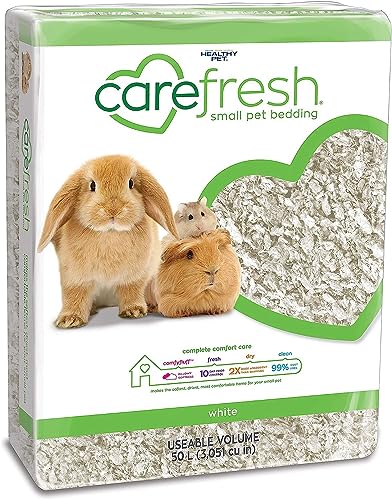
Bedding depth matters too. You want a minimum of two to three inches of paper bedding so urine is wicked away from the surface instead of pooling under the pig's feet. A popular option is a thick paper-based litter like this paper small-pet bedding, which absorbs fast and holds up under a pair of messy boars. Avoid cedar shavings entirely, the phenols irritate skin and respiratory tracts, and be cautious with pine that hasn't been kiln-dried.
Cause three: obesity
An overweight guinea pig puts more pressure on those heel pads and moves less, which means less circulation to the tissue that's under constant load. Obesity in cavies also usually travels with a low-hay, high-pellet diet, which brings its own problems we'll get to. If you can't feel your pig's ribs with light finger pressure, and there's no visible waist when viewed from above, your pig is carrying extra weight. Rations matter: an adult guinea pig needs roughly unlimited grass hay, about an eighth of a cup of plain pellets daily, and a cup of fresh vegetables. Not a mound of pellets and treats. Owner reports frequently describe feeding half a cup of pellets plus yogurt drops plus crackers, and the pig ends up shaped like a loaf of bread with ears.
Cause four: vitamin C deficiency
Guinea pigs, like humans, cannot synthesize their own vitamin C. Deficiency doesn't just cause scurvy-mouth problems, it degrades collagen, and collagen is what keeps skin, pads, and connective tissue structurally sound. A C-deficient pig has fragile skin that breaks down under normal weight-bearing and heals terribly once damaged. A stable, non-stressed adult cavy needs roughly 10 mg of vitamin C per kilogram of body weight daily, more if pregnant or ill. Feed peppers, parsley, and leafy greens, and use a stabilized vitamin C tablet rather than water additives, which degrade in light within hours and can discourage drinking because of the taste change.
The myth: it's contagious or purely genetic
It's neither, mostly. Bumblefoot doesn't spread pig to pig like ringworm does, though two pigs in the same bad habitat will both develop it, which sometimes gets mistaken for contagion. There is a hereditary component in that some lines have weaker pad tissue, but genetics never overrides husbandry. Published husbandry guidance consistently shows that even genetically predisposed pigs don't develop lesions on clean, dry, deep bedding at a healthy weight.
How to Check Your Pig's Feet Without a Wrestling Match
Once a week, flip your pig into the classic football hold, belly up, cradled against your chest, and look at all four feet. Most pathology shows on the rear heels first because that's where the most weight lands. You're looking for redness, hair loss on the pad, scabs, swelling that makes the pad look puffy or shiny, or flaking crust. Also watch how the pig moves. A pig with sore feet walks stiffly, shifts weight between hind feet while standing, or hesitates before stepping down from a ramp. Prey animals hide pain skillfully, so by the time a pig is visibly limping, you're usually at grade three.
Treatment: What Works and What Doesn't
For grade one and early grade two, the habitat overhaul is the treatment. Switch to deep paper bedding or a well-maintained fleece system with an absorbent u-haul pad layer underneath, verify the diet includes adequate vitamin C, get the pig's weight down if needed, and recheck weekly. Mild cases frequently resolve in two to four weeks with no medications.
Grade two with broken skin and anything at grade three or beyond needs an exotic veterinarian, such as one listed by the Association of Exotic Mammal Veterinarians. Real treatment typically involves topical or systemic antibiotics chosen for staph coverage, sometimes pain management with meloxicam, foot soaks with dilute chlorhexidine, bandaging in severe cases, and xrays if bone involvement is suspected. Please don't improvise here. Human triple antibiotic ointment in quantity can be dangerous if ingested, and well-meaning owners often delay real care with home remedies until a two-hundred-dollar problem becomes a twelve-hundred-dollar problem with a worse outcome.
One genuinely useful at-home addition for mild cases and recovery: soften the standing surface further. Some owners add a layer of medical-grade fleece or move the pig onto deep carefresh-style paper bedding during healing. Products like soft paper bedding for small pets give you a clean, dry, low-abrasion surface to swap out frequently while the pad heals, and frequent swaps matter more than any potion you can apply topically.
Enclosure Design That Prevents This Forever
Solid floor. No exceptions. Minimum 7.5 square feet for one or two pigs, bigger is better, because more space means more movement and less time standing in one soiled spot. Bedding two to three inches deep, spot-cleaned daily, fully changed weekly. If you use fleece, the fleece must wick properly, test it with a splash of water before it goes in the cage, and the absorbent layer underneath must never be reachable by digging feet. Damp fleece is arguably worse than damp shavings because owners assume it's fine and leave it longer.
Ramps and platforms should have solid, gently textured surfaces, not bare wire grids. If your cage came with wire-grid ramps, zip-tie cardboard, coroplast, or rubber shelf liner over them. Weigh your pig monthly with a kitchen scale, a gram-accurate one, and keep a log. Adult males typically run 900 to 1,200 grams, females 700 to 900. A slow creep upward across a few months is your early warning before pads ever look wrong. For food presentation, a hay rack that keeps hay off the floor, like a wall-mounted hay feeder, cuts down on the volume of trampled, urine-damp hay your pigs stand around in, which helps both feet and respiratory health.
Hard floors under the cage matter for skinny pigs and senior pigs less than bedding does, but for guineas with existing mild pad changes, avoid bare laminate play-pen surfaces. Lay down fleece or a towel during floor time.
Nutrition Details That Keep Skin Tough
The pad-healing diet is the same as the basic good diet, which is convenient. Unlimited timothy or orchard grass hay, roughly 80 percent of intake, keeps weight controlled and the gut moving. One cup daily of fresh vegetables heavy in vitamin C sources: bell pepper (any color, a quarter of a pepper delivers a full day's C for most pigs), parsley, romaine, cilantro. Limit fruit to tiny slivers a couple times a week. Plain, hay-based pellets only, no seed mixes, no colored bits, no yogurt drops, cap around an eighth of a cup per pig daily. According to the ASPCA pet care library, guinea pigs should receive fresh vitamin C-rich vegetables daily because their bodies cannot store the vitamin long-term, a point that applies directly to pad tissue integrity.
If you supplement, use a stabilized tablet form and give it directly rather than in water. Water-borne vitamin C degrades within a day under light and heat, so by afternoon your pig's 'supplemented' bottle is essentially plain water.
Special Situations
Senior pigs. Pigs over four years old often carry a bit of stiffness and spend more time stationary. That's precisely the population where pressure damage creeps in. Deepen their bedding, add a second low-entry hideout so they don't have to cross soiled zones, and check feet twice a week instead of once.
Post-treatment monitoring. Even after a lesion closes, the scarred pad is a weak point forever. A pig with a bumblefoot history needs its feet checked forever. Recurrence at the same site is common when owners relax on cleaning after the crisis passes. A commonly recommended plan: whatever you did during the recovery month, that's your new normal, not a temporary wartime measure.
Multiple pigs. If one pig develops grade one changes, check the others the same day. Shared habitat means shared risk, and sometimes the pig you thought was fine turns out to have the earlier lesion you missed.
Cost Reality Check
Prevention costs: a bag of quality paper bedding, maybe twenty dollars every month or two, and daily five-minute spot cleans. Treatment costs: an exotic vet exam runs sixty to a hundred and fifty dollars in most US markets, add culture and sensitivity testing at a hundred-plus if infection is deep, antibiotics and pain meds, recheck visits, and possibly several hundred to over a thousand dollars for surgical management of an abscess. The math isn't close. And unlike some conditions, this one gives you months of visible warning before disaster, which means you have zero excuse for missing it.
The Takeaway
Bumblefoot is a report card on your husbandry. Red pads mean wet bedding, wire, too much weight, or too little vitamin C, some combination of the four. Check feet weekly with the pig cradled belly-up, keep bedding deep and dry, weigh monthly, and get any broken-skin lesion to an exotic vet instead of messing around with ointments. Catch it at the redness stage and it's a bedding change. Catch it at the abscess stage and you're in a fight. Your pig stands on those feet every minute of its life. Give them something worth standing on.
Related Reading
Want more on this topic? Check out our guides on best small pet food guinea pig rabbit hamster chinchilla, best small pet chew toys dental health, best rabbit food.