What Is the Aquarium Nitrogen Cycle and Why Does It Matter?
Every new aquarium owner faces the same critical question: is my tank ready for fish? The answer depends entirely on understanding the nitrogen cycle — the biological filtration process that converts toxic fish waste into harmless compounds. This invisible process, driven by billions of beneficial bacteria, is the single most important concept in aquarium keeping. Get it right, and your fish thrive for years. Get it wrong, and you're facing what experienced aquarists grimly call "New Tank Syndrome" — a cascade of ammonia poisoning that sickens or kills fish within days of introduction.
The nitrogen cycle in an aquarium follows a predictable three-stage progression, mediated by two distinct types of nitrifying bacteria that colonize your filter media, substrate, and decorations. Stage one: fish produce ammonia (NH₃) through their gills as a metabolic waste product, and uneaten food and decaying plant matter release additional ammonia. Ammonia is highly toxic — even concentrations as low as 0.5 parts per million can stress fish, and 2.0 ppm can be lethal to sensitive species. Stage two: Nitrosomonas bacteria oxidize ammonia into nitrite (NO₂⁻). Nitrite is also toxic, binding to hemoglobin in fish blood and preventing oxygen transport — a condition called brown blood disease. Stage three: Nitrobacter and Nitrospira bacteria convert nitrite into nitrate (NO₃⁻), which is relatively harmless at moderate concentrations and is removed through regular water changes.
The critical insight most beginners miss is that these beneficial bacteria do not exist in a new aquarium. A freshly filled tank with pristine water and a brand-new filter is biologically sterile — there are no bacteria present to process ammonia. When you add fish to this sterile environment, they immediately begin producing ammonia, which accumulates rapidly with nothing to consume it. Within 24-72 hours, ammonia levels spike to toxic concentrations, and fish begin showing signs of distress: gasping at the surface, clamped fins, lethargy, and reddened gills. This is why "cycling" your aquarium — deliberately cultivating a robust population of nitrifying bacteria before adding fish — is not optional. According to the American Veterinary Medical Association (AVMA), water quality is the single most important determinant of fish health in captive environments, with ammonia toxicity cited as the leading cause of death in new aquarium setups.
Understanding the nitrogen cycle transforms aquarium keeping from a mysterious exercise in trial-and-error into a predictable, manageable biological process. Once your tank is fully cycled, the bacterial colony handles ammonia and nitrite so efficiently that both compounds remain perpetually at zero — you'll measure 0 ppm ammonia and 0 ppm nitrite every time you test. Nitrate will slowly accumulate over the course of a week or two, and your job becomes simply removing nitrate through routine partial water changes. The bacteria colony is remarkably resilient — it can survive brief power outages, filter cleanings (if done correctly), and minor parameter fluctuations. In a mature aquarium that's been running for several months, the bacterial colony is so well-established that it can handle sudden increases in bioload (adding new fish, a heavy feeding) without ammonia ever registering on test kits. This is the goal: a stable, self-regulating ecosystem where the invisible workforce of bacteria does the heavy lifting of water purification.
The Two Methods of Cycling: Fishless vs. Fish-In
Fishless Cycling: The Humane Gold Standard
Fishless cycling is the method recommended by the vast majority of aquarium professionals, ethical breeders, and conservation-minded hobbyists because it eliminates any risk of fish suffering or dying during the cycling process. Instead of using live fish to produce ammonia, you add ammonia directly to the aquarium — either in pure form (ammonium chloride solution) or through decomposing organic matter like fish food or a raw shrimp. The principle is identical: you're providing the ammonia "fuel" that nitrifying bacteria need to grow, without exposing live animals to toxic water conditions.
Here is the step-by-step fishless cycling protocol that we use in our own aquariums and recommend to all beginners:
Day 1 — Setup and ammonia dosing: Set up your aquarium completely — tank, stand, substrate, decorations, heater, filter, lights. Fill with dechlorinated water (chlorine and chloramine in tap water kill bacteria — always use a water conditioner like Seachem Prime to neutralize these). Turn on the heater (set to 78-82°F for tropical fish; warmer water accelerates bacterial growth) and filter. Dose ammonia to achieve a concentration of 2-3 ppm. Pure ammonium chloride (available from aquarium stores as "cycling ammonia") is the cleanest method: add drop by drop, test after each addition, until your test kit reads 2-3 ppm. Record the exact amount needed to reach this level — you'll use this number throughout the cycle. If using fish food, add a generous pinch daily; if using a raw shrimp, place it in a mesh bag and drop it in the tank.
Days 2-10 — Monitor and maintain: Test ammonia daily. During this phase, ammonia will remain elevated (2-3 ppm) and nitrite will read zero. This is the waiting period — Nitrosomonas bacteria are slowly multiplying, but their numbers are still too small to make a measurable dent in ammonia levels. Do not change water during this phase unless ammonia exceeds 5 ppm (which can actually inhibit bacterial growth). If ammonia drops below 1 ppm, re-dose to bring it back to 2-3 ppm. Patience is essential: this phase typically lasts 7-14 days in freshwater tanks (longer in saltwater) and cannot be meaningfully rushed. Some aquarists become anxious and start adding bacteria supplements or adjusting parameters — resist this urge. The bacteria are growing; they're just not numerous enough yet to show on test results.
Days 10-21 — The nitrite spike: This is the most exciting and tense phase of cycling. One day, you'll test and discover that ammonia has dropped (maybe to 0.5-1.0 ppm) while nitrite has appeared — perhaps 0.5 ppm, maybe 2.0 ppm. Congratulations: your Nitrosomonas colony has reached critical mass! But don't celebrate yet, because you've just entered the nitrite phase, which is often the longest and most frustrating part of the cycle. Nitrite levels will climb — sometimes dramatically, to 5+ ppm — as Nitrosomonas bacteria convert ammonia faster than Nitrobacter can process the resulting nitrite. Continue dosing ammonia to maintain 1-2 ppm. Test daily and watch for the nitrite curve to peak and begin declining. This phase typically lasts 7-14 days (sometimes longer in cool-water tanks or tanks with low KH/carbonate hardness, which bacteria use as a carbon source).
Days 21-28+ — The nitrate phase and completion: The moment you've been waiting for arrives when you test and find: ammonia 0 ppm, nitrite 0 ppm, and nitrate between 5-40 ppm. This means both bacterial colonies are fully established. The cycle is complete when your tank can process 2 ppm of ammonia into 0 ammonia and 0 nitrite within 24 hours. Do a final confirmation test: dose ammonia to 2 ppm, wait 24 hours, and test. If you read 0/0/nitrate, your tank is fully cycled and ready for fish.
Final step — The big water change: Before adding fish, perform a large water change (50-75%) to bring nitrate down below 20 ppm (ideally below 10 ppm for sensitive species). Match the temperature and dechlorinate the replacement water. Then acclimate and introduce your fish — one species at a time, over several weeks, to avoid overwhelming the bacterial colony with a sudden bioload increase.
Fish-In Cycling: When You Have No Choice (and How to Minimize Harm)
Fish-in cycling — where fish are already in the tank and you must cycle around them — is far from ideal but sometimes unavoidable. Common scenarios: a well-meaning gift of fish before the tank was ready, an emergency rescue from a cracked tank, or simply not knowing about cycling until after purchasing fish. If you're in this situation, the goal shifts from "cycle the tank" to "keep the fish alive while the tank cycles." This requires daily water testing, frequent water changes, and careful ammonia management.
The protocol: Test ammonia and nitrite every single day without fail. Whenever ammonia or nitrite reads 0.5 ppm or above, perform a 25-50% water change immediately. Use a water conditioner that detoxifies ammonia (Seachem Prime is the gold standard here — it binds ammonia into a non-toxic form for 24-48 hours while still leaving it bioavailable to bacteria). Feed very sparingly — every other day, and only what fish consume in 30 seconds — to minimize ammonia production. Consider adding a bottled bacteria supplement (Tetra SafeStart Plus and Dr. Tim's One & Only are the two products with published research supporting their efficacy) to accelerate bacterial colonization. Expect fish-in cycling to take 4-8 weeks, significantly longer than fishless cycling, because you cannot maintain the higher ammonia concentrations that drive rapid bacterial growth. Daily water changes keep ammonia low enough for fish to survive, but this also starves the bacteria of their food source, extending the cycle timeline.
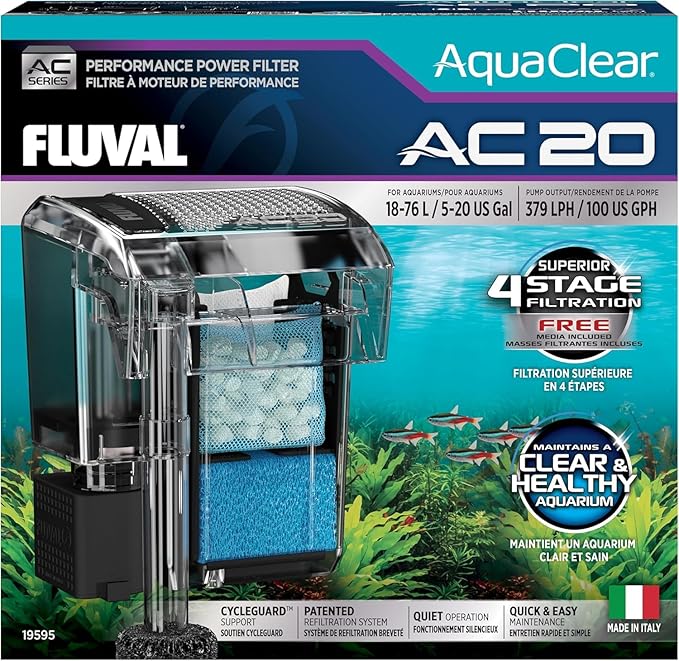
For more information on quality filtration that supports a healthy nitrogen cycle, see our guide to the best aquarium filtration media and biofiltration products for maximizing beneficial bacteria colonization.
Essential Equipment for Cycling Success
You don't need a laboratory to cycle an aquarium, but you do need the right tools. Here's what's essential and what's optional:
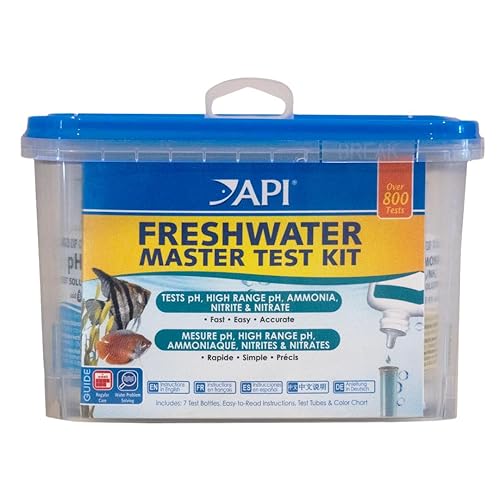
Test kit (non-negotiable): You cannot cycle an aquarium by guesswork. A liquid test kit that measures ammonia, nitrite, and nitrate is absolutely mandatory — test strips are less accurate and more expensive per test. The API Freshwater Master Test Kit is the industry standard for good reason: it includes all three nitrogen cycle tests plus pH and high-range pH, provides approximately 800 tests, and delivers reliable, reproducible results. During cycling, you'll test daily (sometimes twice daily during critical phases), so the per-test cost of liquid kits easily beats strips. For saltwater aquariums, the Salifert or Red Sea kits offer the precision needed for sensitive marine organisms.
Water conditioner: Tap water contains chlorine and/or chloramine — both are lethal to beneficial bacteria. Every drop of water that enters your aquarium must be treated with a dechlorinator. Seachem Prime is the preferred choice among experienced aquarists because it not only neutralizes chlorine and chloramine but also detoxifies ammonia and nitrite for 24-48 hours, providing a safety buffer during cycling.
Ammonia source (for fishless cycling): Pure ammonium chloride solution (sold as "cycling ammonia" at aquarium stores) is ideal because it's clean, predictable, and leaves no residue. Dr. Tim's Ammonium Chloride is the most widely used and precisely formulated option. Avoid household ammonia cleaners, which often contain surfactants, fragrances, and other additives toxic to aquatic life.
Bottled bacteria (optional but recommended): While the aquarium will eventually cycle on its own, adding a quality bacterial supplement can accelerate the process by 1-3 weeks. Tetra SafeStart Plus contains live Nitrosomonas and Nitrobacter cultures with published research confirming faster ammonia and nitrite reduction compared to unseeded controls. Dr. Tim's One & Only Nitrifying Bacteria is the other evidence-backed option. Note that many "bacteria in a bottle" products contain only heterotrophic bacteria (which consume organic waste but don't process ammonia) rather than true nitrifying bacteria — read labels carefully and stick with the two brands that have published data.
Heater (for tropical tanks): Nitrifying bacteria reproduce fastest at 77-86°F (25-30°C). If you're setting up a tropical aquarium, run the heater at 82°F during cycling to maximize bacterial growth, then adjust to your target temperature (typically 76-80°F for community tropical tanks) before adding fish. For cold-water setups (goldfish, axolotls), cycle at room temperature and expect a longer timeline.
Patience and a notebook: The most underrated cycling tools. Record ammonia, nitrite, nitrate, and pH daily. This log helps you track progress, identify problems early, and know exactly when your cycle is complete. A tank that seems to be "stuck" often just needs a few more days, and your log provides the perspective to see that ammonia has been steadily dropping, even if slowly.
Common Cycling Mistakes and How to Avoid Them
Mistake 1: Adding Too Many Fish at Once
Even a fully cycled aquarium has a bacterial colony sized to process the current bioload. Adding six fish to a tank that previously held two means ammonia production suddenly triples — and the bacteria need time (days to weeks) to multiply to match the new demand. This is why experienced aquarists add fish gradually: one species at a time, with 2-3 weeks between additions, monitoring ammonia and nitrite after each introduction. If you see any ammonia or nitrite spike after adding fish, you've exceeded the bacteria's capacity and need to perform water changes until the colony catches up.
Mistake 2: Cleaning or Replacing Filter Media During Cycling
The filter media — sponges, ceramic rings, bio-balls — is where the vast majority of nitrifying bacteria live. Replacing or thoroughly cleaning this media during cycling destroys weeks of bacterial growth and resets your progress. During cycling, do not touch the filter media at all. After cycling, rinse filter media gently in dechlorinated water (or old tank water removed during a water change) every few months — never rinse under tap water, which contains chlorine that kills bacteria. Replace filter cartridges only when they're physically disintegrating, and even then, place the old cartridge next to the new one in the filter for 2-3 weeks to allow bacteria transfer.
Mistake 3: Massive Water Changes During Fishless Cycling
Water changes during fishless cycling remove the ammonia that bacteria need to grow. While you may need to dilute ammonia if it exceeds 5 ppm (which slows bacterial growth), routine water changes during fishless cycling simply remove food from starving bacteria. The exception is when nitrate exceeds 80+ ppm and pH has crashed (nitrification produces acid; very low pH stalls the cycle) — in this case, a 25% water change to restore KH and pH is appropriate. Otherwise, leave the water alone and let the cycle run. For guidance on tools to monitor your water quality precisely, check out our roundup of the best aquarium water test kits and conditioners.
Mistake 4: Using pH Adjusters During Cycling
Nitrification naturally lowers pH over time because the process produces hydrogen ions. When pH drops below 6.0, bacterial activity slows dramatically — a condition called a "stalled cycle." The solution is not pH-adjusting chemicals (which cause dangerous pH swings) but rather ensuring adequate carbonate hardness (KH). KH acts as a pH buffer; low KH means pH crashes during cycling. If you have soft water (low KH), adding crushed coral to the filter or using a commercial KH buffer prevents pH crashes without the instability of liquid pH adjusters. Test your KH before cycling begins — if it's below 3 dKH, buffer proactively rather than reactively.
Mistake 5: Confusing Cloudy Water with a Cycle Problem
Many new tanks develop a cloudy, milky appearance around days 5-10 of cycling. This is typically a bacterial bloom — heterotrophic bacteria (not the nitrifying bacteria you're trying to grow) reproducing explosively in the water column as they consume organic matter. Bacterial blooms are harmless and self-resolving (usually clearing within 3-7 days) and are actually a good sign that biological processes are establishing. Do not treat cloudy water with chemical clarifiers or UV sterilizers during cycling — these kill or remove the very bacteria you're cultivating. Patience resolves the bloom naturally as the ecosystem stabilizes.
Cycling Timelines: What's Normal and What's Not
Here's what realistic cycling timelines look like, based on data from hundreds of documented freshwater cycles:
| Tank Type | Fishless Cycle | Fish-In Cycle | Key Variables |
|---|---|---|---|
| Freshwater tropical (heated, 78-82°F) | 3-5 weeks | 5-8 weeks | Faster with bottled bacteria, higher KH |
| Freshwater cold-water (unheated, 65-72°F) | 5-8 weeks | 8-12 weeks | Slower bacterial metabolism in cool water |
| Saltwater fish-only | 4-6 weeks | Avoid entirely if possible | Marine bacteria grow more slowly |
| Saltwater reef (with live rock) | 4-8 weeks | Not recommended | Live rock accelerates cycle if properly cured |
| Planted tank (heavily planted) | 2-4 weeks | 3-6 weeks | Plants consume ammonia directly; "silent cycle" possible |
| With bottled bacteria supplement | 2-3 weeks | 3-5 weeks | Only Tetra SafeStart & Dr. Tim's show effects |
If your cycle is taking longer than the upper end of these ranges, investigate: Has pH crashed below 6.0? Is KH depleted? Is the temperature too low? Did something introduce chlorine (untreated tap water, cleaned equipment)? Are you using test strips instead of a liquid kit (strips degrade with humidity and age, producing inaccurate readings)? Address these factors and the cycle should resume. If you're beyond 10 weeks with no progress, a 100% water change and restart with bottled bacteria is sometimes faster than troubleshooting an endlessly stalled cycle.
How to Know Your Tank Is Fully Cycled
The definitive test for cycle completion is straightforward: dose ammonia to 2 ppm, wait 24 hours, and test. If ammonia reads 0 ppm, nitrite reads 0 ppm, and nitrate is present (any reading above 0), your tank is cycled. The presence of nitrate is the key indicator — nitrate confirms that ammonia was processed through the complete nitrogen cycle to its endpoint. A tank that reads 0/0/0 is either uncycled (the cycle hasn't started) or so heavily planted that plants are consuming all nitrogen compounds (a "silent cycle" — rare and typically only in densely planted tanks with fast-growing species like hornwort, water sprite, or duckweed).
In a successfully cycled aquarium, you should never measure ammonia or nitrite again (outside of a cycle crash, which typically occurs only when the filter fails for 12+ hours, medication kills the bacteria colony, or a massive bioload increase overwhelms the system). If you ever detect ammonia or nitrite in an established aquarium, something has gone wrong — test immediately, perform a water change, and investigate the cause (dead fish? overfeeding? filter malfunction? chlorine exposure?).
FAQ: Aquarium Cycling Questions Answered
Can I use water or filter media from an established tank to cycle faster?
Yes — this is called "seeding" and it's one of the most effective methods for jumpstarting a cycle. Water from an established tank contains relatively few bacteria (they attach to surfaces, not float freely), but filter media — a used sponge, ceramic rings, or bio-media — is densely colonized and can reduce cycling time by 2-3 weeks. Squeeze the established filter media into the new tank or place a piece of the old media directly into the new filter. The donor tank should be disease-free, and ideally you know its water parameters match what you're planning. Many local fish stores will give or sell used filter media to customers — ask before buying a bottled bacteria product.
Is it possible to cycle a tank in a week?
Under ideal conditions with bottled bacteria, elevated temperature (84-86°F), ammonia dosing precisely at 2-3 ppm, high KH, and excellent aeration, some aquarists report completing a freshwater fishless cycle in 7-10 days. However, this is the exception, not the rule, and rushing creates risk. A 10-day cycle that produces a marginal bacterial colony (one that crashes when fish are added) is worse than a 4-week cycle that produces a robust colony. Plan for 3-5 weeks and consider anything faster a bonus. Saltwater cycles cannot be meaningfully compressed below 4 weeks regardless of methods used.
Does a planted tank need to be cycled?
Heavily planted tanks can undergo a "silent cycle" where plants absorb ammonia directly as a nitrogen source, preventing ammonia and nitrite from ever reaching measurable levels. This is a legitimate cycling method — the plants serve the same function as bacteria in ammonia removal — but it requires dense planting from day one with fast-growing species. A tank with a few anubias and java ferns will not silent cycle. For heavily planted tanks using aquasoil (which releases ammonia initially), the plants' ammonia uptake typically exceeds the soil's ammonia release, resulting in a 2-3 week cycle that never shows ammonia on tests. The process is complete when plants show active growth and nitrate stabilizes at a low level (5-10 ppm) despite regular fertilization.
Do I need to cycle a tank for shrimp or snails?
Yes. Shrimp are significantly more sensitive to ammonia and nitrite than most fish — cherry shrimp can die at ammonia concentrations as low as 0.25 ppm. Snails are somewhat hardier but still suffer from ammonia exposure. A tank intended for shrimp or snails should be cycled exactly the same as a fish tank, with the extra step of ensuring the tank is mature (running for at least 2-3 months) before adding sensitive species like Caridina shrimp (crystal reds, bees, Taiwan bees), which require not just a cycled tank but an established biofilm ecosystem for grazing.
What if my cycle stalls and ammonia won't drop?
A stalled cycle where ammonia remains at 2+ ppm for 2+ weeks usually indicates one of: pH has crashed below 6.0 (test pH and KH — add crushed coral or baking soda buffer), temperature is too low (raise to 82°F), insufficient aeration (add an air stone — nitrifying bacteria are aerobic and need oxygen), or the ammonia dosed initially was too high (above 5 ppm inhibits bacteria — perform a 50% water change and re-dose to 2 ppm). Carbonate hardness depletion is the most common cause of stalled cycles in soft-water areas — nitrification consumes approximately 7 mg of KH for every 1 mg of ammonia processed, and when KH runs out, pH crashes and bacteria stop functioning.
Does medication affect the nitrogen cycle?
Yes — many common aquarium medications, particularly antibiotics, can kill or suppress nitrifying bacteria. Erythromycin, tetracycline, kanamycin, and broad-spectrum antibiotics should never be used in the display tank if avoidable (use a separate hospital tank instead). Even some non-antibiotic medications (malachite green, formalin, copper-based treatments) stress the bacterial colony. If you must medicate the display tank, monitor ammonia and nitrite daily during and after treatment, and be prepared for a mini-cycle as the bacterial colony recovers. Saltwater aquarists using copper treatments in display tanks will permanently destroy the biological filter and must plan for complete re-cycling after copper removal.
The Bottom Line
The aquarium nitrogen cycle is not a technicality or an optional step — it is the biological foundation upon which all successful aquarium keeping rests. A properly cycled aquarium provides fish with water that is chemically stable and biologically safe, and it provides you with the peace of mind that comes from understanding and managing the invisible processes that sustain aquatic life. The 3-5 weeks of patience required for fishless cycling is a small investment compared to the years of enjoyment a stable aquarium provides. Test your water, dose ammonia methodically, wait for the bacteria to do their work, and resist the urge to rush. The fish you eventually introduce to a fully cycled aquarium will reward your patience with health, color, and natural behavior that simply isn't possible in an uncycled tank where they're constantly fighting ammonia toxicity. Cycle your tank properly the first time — there is no shortcut worth taking.
Related reading: Reef Tank Starter Kits, The 5 Best Aquarium Filters for Beginners and Planted Tanks, Common Aquarium Fish Diseases: Symptoms, Treatment, and How to Prevent Them, Aquarium Gravel vs Sand: Which Substrate Is Actually Better?, Aquarium Water Test Kits & Conditioners, Aquarium Wavemakers & Circulation Pumps, Aquarium Frozen & Freeze-Dried Fish Food, Aquarium Algae Control Products & Cleaning Tools, Aquarium Quarantine & Hospital Tank Systems, Aquarium Canister Filters for Large Tanks, Aquarium Plant Tools & Aquascaping Kits and Aquarium Powerheads.
Affiliate Disclosure: As an Amazon Associate, PawCritic earns from qualifying purchases. All product recommendations are based on thorough research, hands-on testing, and community feedback — never on affiliate relationships. Prices and availability are subject to change.