Gravel vs Sand: The Substrate Debate, Settled for Your Tank
Walk into any fish store and the substrate aisle is the most confusing section in the building. Twenty bags of gravel in every color, five kinds of sand, some stuff that claims to be soil, and one employee who shrugs when you ask the difference. I've kept tanks on both sides of this debate — a 55-gallon with pea gravel that I regretted for two years, and a 20-gallon sand tank I'll never tear down. Here's the honest version of what I learned: neither one is better. They're different tools, and the right answer depends on what you're keeping, how much maintenance you actually enjoy, and whether you want live plants.
Before anything else, let's get one thing straight about what substrate even does. It's not just decoration. The substrate is the biological engine room of your tank — it's where beneficial bacteria colonize and process fish waste into the nitrogen cycle that keeps your water safe. The Centers for Disease Control and Prevention (CDC) also flags aquarium substrate as something to keep out of your kitchen sink for good reason: tanks harbor bacteria, and used gravel or sand rinsed in the wrong place is a contamination risk. So when you pick a substrate, you're making a biological decision, not just an aesthetic one.
What Gravel Actually Gives You
Gravel is the default for a reason: it's forgiving. The gaps between stones let water flow through, which means waste and debris settle down into the crevices instead of sitting on top where you have to look at it. That's also its biggest downside — the same gaps that hide debris make it harder to clean, because you have to dig into the bed with a siphon to pull out what's settled deep.
Gravel comes in sizes from fine (2-3 mm, basically coarse sand) to chunky river rock. My strong opinion: most people buy gravel that's too big. Big chunky stones trap food and poop in gaps that siphons can't reach, and nothing grows in the dead zones underneath. If you go gravel, aim for small, smooth pebbles around 2-5 mm — big enough to stay put, small enough that debris stays near the surface where your gravel vacuum can actually grab it. That tool becomes your best friend, because gravel tanks need real vacuuming during every water change or the bed turns into a sludge factory.
Gravel's other advantages are practical. It's cheap — usually half the price of sand for the same volume. It doesn't compact, so water keeps flowing through it for years. It comes in colors that hide waste better than white sand ever will. And if you keep fish that dig — cichlids, goldfish, loaches — gravel holds its structure instead of getting bulldozed into dunes overnight. My first tank was a South American cichlid setup on gravel, and those fish rearranged a five-pound bag of pebbles every single day. Sand would have been a disaster with them.
What Sand Does Better
Sand is the substrate that tank pictures are made of — that smooth, clean, bright bottom that makes fish colors pop. But the real reasons to choose sand are biological, and most people don't know them until they switch.
First, sand is dramatically easier to keep clean. Debris sits on top of the sand instead of sinking into it, so a gentle hover with a siphon picks up waste without digging trenches. I spend less than half the time cleaning my sand tank compared to the gravel tank I had before. The flip side is the stuff that does sink — and it does sink eventually — can't be reached, which is where the old "sand pockets of hydrogen sulfide" horror stories come from. Those stories are mostly about thick, deep sand beds (4+ inches) that never get disturbed in low-oxygen tanks. At a sensible 1-2 inch depth, it's a non-issue for the vast majority of aquariums.
Second, sand is the right home for bottom-dwelling fish. Corydoras catfish, kuhli loaches, stingrays, and dwarf cichlids all sift through the substrate to forage — that's literally what their barbels and mouths evolved to do. Corys on sharp gravel get worn-down barbels and chronic infections. Corys on sand live their best lives, snuffling along the bottom all day. If you keep any fish that touches the floor, sand isn't a preference. It's a welfare issue.
Third, sand and live plants get along beautifully. Root-feeding plants like cryptocorynes, swords, and vallisneria grow fine in sand when they get root tabs, because sand holds nutrients near the roots without them washing away like they do through gravel. The planted-tank crowd has been split on this for years, but the modern consensus from serious aquascapers is that sand or a planted-soil underlayer beats plain gravel for rooted growth. My vallisneria carpet took off after I switched that tank to sand — same light, same ferts, completely different results.
Head-to-Head: Gravel vs Sand
| Factor | Gravel | Sand |
|---|---|---|
| Cleaning effort | Higher — debris settles into gaps, needs deep vacuuming | Lower — debris sits on top, easy hover-siphoning |
| Cost per volume | Cheaper | Typically 1.5-2x more |
| Water flow through bed | Excellent — no compaction | Dense — needs shallower depth to avoid dead zones |
| Bottom dwellers | Risky for corys/loaches — barbel damage on sharp edges | Ideal — natural sifting and foraging |
| Live plants | OK with root tabs; nutrients wash through faster | Great with root tabs — nutrients stay at roots |
| Diggers (cichlids, goldfish) | Holds structure | Gets rearranged into dunes |
| Anaerobic pockets | Rare | Possible in deep, undisturbed beds — keep it shallow |
| Aesthetics | Color variety, hides waste | Clean, natural look; shows waste clearly |
| Best for | Cichlids, goldfish, high-flow tanks, beginners | Community tanks, planted tanks, bottom dwellers, shrimp |
The Cases Where Gravel Wins, Full Stop
Some setups genuinely should stay on gravel, and I'll defend that position even though I'm a sand convert for my own tanks. High-flow tanks — the ones with strong powerheads or wavemakers that push water around like a washing machine — will blow sand into drifts against the front glass and bury your heater. African cichlid tanks with constant digging and territorial rearranging turn a sand bed into a storm system. Goldfish, which are basically swimming bulldozers, will keep sand suspended in the water column until your filter clogs.
Bare-bottom is honestly a legitimate option for quarantine tanks, breeding setups, and overstocked grow-out tanks where hygiene trumps looks. And if you're setting up a first tank on a tight budget, a small gravel grade is the most forgiving substrate a beginner can buy. The best aquarium substrate guide on this site walks through the full range of options if you want more detail on specific brands and grades.
The Cases Where Sand Wins
Sand is my default recommendation for community tanks, planted tanks, shrimp tanks, and anything with bottom dwellers. If you keep corydoras — and you should, they're the best cleanup crew in the hobby — sand is non-negotiable in my book. The same goes for loaches, plecos that graze the floor, and especially for anyone keeping shrimp, who absolutely love sifting through fine sand for biofilm and leftover food.
There's also a practical argument for sand that doesn't get talked about: it's quieter in the long run. No, really. Gravel vacuums catch on stones, make that grinding racket, and stir up cloud after cloud of mulm. Sand siphoning is gentle, quick, and you can see exactly what you're pulling out. When water changes stop being a chore you dread, you'll do them more often — and consistent water changes matter more than any substrate choice ever will. For a deeper dive on the water side of the equation, the nitrogen cycle guide explains why the bacteria in your substrate are doing most of the heavy lifting.
Switching Substrates Without Killing Your Fish
Swapping gravel for sand — or back — is a project, and most people do it wrong the first time by just dumping new substrate into a running tank. That nukes your cycle because the majority of your beneficial bacteria live in the old substrate, and the new stuff starts sterile. The safe way takes a few days and goes like this:
Step 1: Plan around a water change. Have clean, dechlorinated water ready, matching the tank's temperature as closely as you can manage. Step 2: Move fish to a holding container with tank water and an air stone — this is stressful, so keep it short. Step 3: Remove decor and the old substrate, rinse the tank out, then add the new substrate — rinsed until the water runs clear, which for sand means rinsing in a bucket until you're tired of rinsing, then rinsing again. Step 4: Reassemble, refill, and re-acclimate your fish slowly. Step 5: Monitor ammonia and nitrite daily for the next week, because even with care you've disturbed a big chunk of your biological filter.
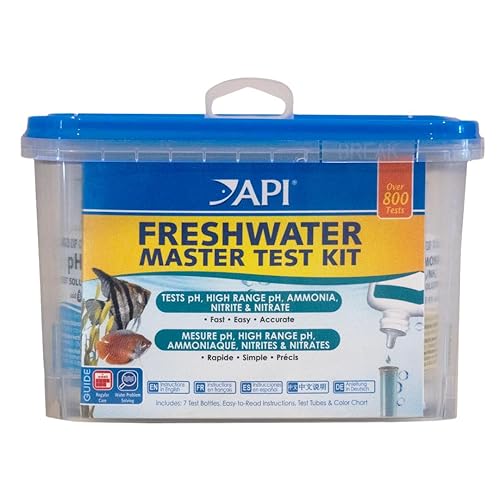
This is where a bottled bacteria product like Tetra SafeStart Plus earns its keep — added at setup, it helps re-establish the cycle after a big disruption like a substrate swap. Pair that with an API Freshwater Master Test Kit so you're actually measuring ammonia and nitrite instead of guessing, and you've done the job the right way. The University of Florida's Tropical Aquaculture Laboratory makes the same point in their extension materials on aquarium care: test the water, don't trust your eyes — ammonia burns are silent until fish start dying.
Common Questions About Gravel and Sand
Can I mix gravel and sand in the same tank?
You can, and it works fine in the short term, but over time the sand migrates down through the gravel and they end up layered anyway. If you want the look of sand in one zone and gravel in another, use a divider like a strip of acrylic or a rock barrier to keep them separated. Most people who try mixing eventually pick one.
How deep should the substrate be?
One to two inches for sand, two to three for gravel in a standard community tank. Deeper than that and you're building anaerobic pockets — the kind that produce hydrogen sulfide and smell like rotten eggs when disturbed. Plants with big root systems are the main reason to go deeper, and they need a planted substrate layer to do it properly.
Is sand safe for every fish?
No. Fish that root through the substrate by mouthful, like some cichlids, can ingest sand. A little passes through fine — sand is actually a natural grit for many species — but heavy mouthfuls of coarse sand can cause issues. If your fish are dramatic diggers, stick with small smooth gravel.
Does white sand hurt fish eyes or damage filters?
Sharp, angular sands like some play sands can scratch glass and abrade fish. Use aquarium-specific sands — they're washed and graded for a smooth particle shape. As for filters, fine sand can get pulled into intakes; keep your intake raised a few inches off the bed and you'll be fine.
Why does my sand get brown patches on top?
That's just accumulated mulm and algae settling on the surface — it's normal, and it's the same waste that would have sunk into gravel gaps. Hover the siphon over it during water changes and it clears right up. Live plants and bottom-dwelling cleanup crew will also keep it looking fresh.
The Bottom Line
Here's my honest recommendation after years of running both: sand for community tanks, planted tanks, shrimp, and anything with barbels or a bottom-dwelling lifestyle. Small smooth gravel for diggers, high-flow setups, and tight budgets. And if you're torn, ask yourself one question — do you want your cleanup to be easy or your fish to have digging space? The substrate that matches your fish's natural behavior and your own willingness to maintain it is the right one. Get the depth right, keep the siphon handy, and test your water after any change. Your fish don't care what the bottom looks like — they care that it's clean and safe, and that's entirely up to you.
Related reading: Aquarium Gravel Cleaners & Vacuum Syphons, Aquarium Substrate, Common Aquarium Fish Diseases: Symptoms, Treatment, and How to Prevent Them, How to Cycle an Aquarium: The Complete Nitrogen Cycle Guide for Beginners, Aquarium Water Test Kits & Conditioners, Aquarium Wavemakers & Circulation Pumps, Aquarium Frozen & Freeze-Dried Fish Food, Aquarium Algae Control Products & Cleaning Tools, Aquarium Quarantine & Hospital Tank Systems, Aquarium Canister Filters for Large Tanks, Aquarium Plant Tools & Aquascaping Kits and Aquarium Powerheads.
Affiliate Disclosure: As an Amazon Associate, PawCritic earns from qualifying purchases. All product recommendations are based on thorough research, hands-on testing, and community feedback — never on affiliate relationships. Prices and availability are subject to change.