Fish Can Skip Meals for a Week. Sometimes.
Here's the uncomfortable truth most aquarium guides dance around: a healthy adult fish can go five to seven days without eating and be completely fine. I've left tanks unfed over long weekends more times than I can count, and the fish were arguably better off for it. So when someone messages me in a panic because their tetra ignored one feeding, my first question is always the same: how long has this actually been going on, and is it one fish or the whole tank?
That distinction matters more than anything else in this article. One fish refusing food in a tank of twelve is a fish problem. All twelve refusing food is a water problem, a disease problem, or a temperature problem, and the clock is running. I've watched entire tanks crash in 48 hours because the owner treated a collective food strike like a picky-eater phase.
So let's rank the causes the way I actually think through them at my own racks: from 'don't lose sleep over it' to 'drop everything and test the water right now.' Along the way I'll tell you where I've seen things go wrong, because I've made most of these mistakes personally so you don't have to.
First, Confirm the Fish Is Actually Not Eating
This sounds condescending but it isn't. Bottom feeders, nocturnal species, and shy fish often eat after lights out or graze on biofilm, algae, and leftover flakes you never noticed. Otocinclus cats, plecos, kuhli loaches, and many corydoras do most of their real feeding when you're not watching. I once spent a week convinced a bristlenose pleco was starving to death. Then I caught it, at 11 p.m., absolutely destroying a zucchini slice I'd forgotten about.
Practical check: feed a small amount at your normal time and watch where the food lands and what happens to it over two hours. If it's gone and nobody looks thin, someone is eating. If pellets sit untouched and sink into the substrate overnight, you have real uneaten waste decomposing in the tank, which brings its own problems. Siphon that stuff out — rotting food spikes ammonia, and ammonia kills appetite faster than anything else on this list.
The No-Worry Causes (Rank 5: Ignore and Observe)
Recently Introduced Fish
New fish frequently refuse food for two to five days after arrival. Shipping stress, a new environment, different water chemistry, brighter lighting, aggressive tankmates — it's a lot. I expect new arrivals to sulk and I don't count a fish as having an eating problem until it's been in my tank a week and shown no interest whatsoever. Keep the lights dim, offer tiny amounts of tempting food like frozen bloodworms, and be patient. Chasing a scared fish around with food makes it worse, not better.
Natural Feeding Cycles
Some fish cycle their appetite. Adult predatory fish like larger cichlids and bichirs will casually ignore food for days with no illness behind it. Coldwater setups in winter rooms drop a few degrees and metabolism slows — a goldfish in 58°F water barely needs to eat at all. According to the FDA's guidance on feeding ornamental fish, overfeeding is among the most common contributors to poor water quality in home aquariums, which is why an occasional skipped meal is genuinely nothing to fix.
Picky Palate
Fish develop preferences, and some are shameless about it. Feed flake exclusively for six months and then switch pellets cold-turkey, and yes, your fish will stage a hunger strike. They usually cave within three days. Hold the line, remove uneaten food, and don't panic-trade back to the junk-food flake.
The Sit-Up-and-Pay-Attention Causes (Rank 4)
Wrong Water Temperature
Metabolism in fish is driven entirely by water temperature. A betta kept at 68°F will become sluggish, pale, and disinterested in food because its body simply isn't running at the speed needed to hunt and digest. I've diagnosed more 'sick' bettas in unheated desktop bowls than I can count, and the fix was a $20 heater, not medication. Check the species' range, then check your actual thermometer — not the heater's dial setting, the actual water temperature. Heaters drift and fail. Trust the thermometer.
Aggression and Feeding Competition
Watch who gets the food and who gets chased away from it. In mixed cichlid tanks, semi-aggressive barbs tanks, and yes, badly planned betta sororities, subordinate fish get bullied off the feeding zone. The fix isn't more food — it's breaking line of sight with hardscape and plants, feeding at two ends of the tank, or permanently separating fish that genuinely cannot coexist. I've seen a single dominant rainbow shark quietly starve out three bottom dwellers while the owner kept 'solving' it with extra pellets.
Stale or Wrong Food
Fish food degrades. An open flake container absorbs humidity, loses vitamins, and eventually smells like an old cardboard box. If your container is more than about six months past opening and the fish that used to race to the surface now sniffs and spits, the food itself is the suspect. Buy smaller containers, seal them well, and date them with a marker when you open them. Also match food to the fish — surface feeders ignore sinking wafers, bottom feeders can't compete for floating pellets, and strict carnivores won't thrive on veggie rounds.
The Test-Your-Water Causes (Rank 3: Do This Today)
Here is where I stop being relaxed. Poor water quality suppresses appetite before it produces any other visible symptom, which makes a food strike one of your earliest warning systems. Ammonia above zero, nitrite above zero, or nitrate pushing past 40 ppm will shut down feeding in sensitive species like discus, rams, and many tetras. And pH swings, often from a crashed buffer or a recent deep substrate clean, do the same thing overnight.
According to the American Veterinary Medical Association, water quality testing should be a routine part of evaluating any sick aquarium fish, because environmental problems underlie the majority of illness in captive fish. I keep a liquid test kit on the shelf next to my tanks at all times, and I test whenever behavior changes, full stop. Strips are better than nothing, but liquid kits give you the resolution to catch nitrite at 0.25 ppm instead of 'somewhere between colors.'
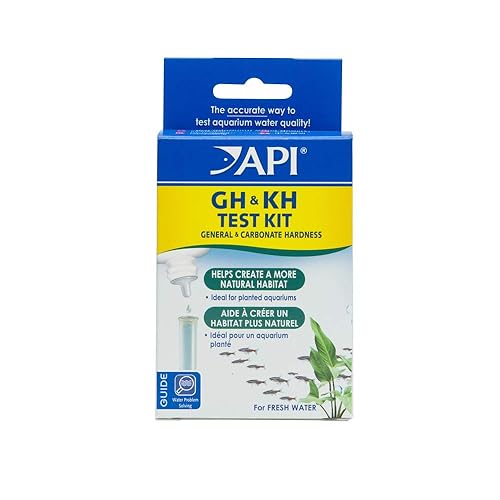
If your numbers come back bad, the response is a large, temperature-matched, dechlorinated water change — 40 to 50 percent — plus a hard look at why. Overfeeding? Overstocking? A filter you rinsed in tap water and murdered? Fix the cause, not just the number, or you'll be doing this again in two weeks.
Disease Causes (Rank 2: Act This Week)
Internal Parasites
The classic presentation: fish eats enthusiastically, spits the food out, gradually loses body mass despite a bulging belly. Wild-caught fish and livebearers from mass-breeding farms carry these often. White stringy feces are another clue. Treatment means medicated food with an antiparasitic — food delivery beats dosing the water column for internal parasites, though getting a not-eating fish to eat medicated food is its own puzzle. Garlic-soaked repashy or gel foods laced with medication are your workaround.
Swim Bladder and Digestive Blockage
A fish that's positively buoyant, listing, or floating nose-down often can't physically coordinate feeding. Fancy goldfish with their compressed bodies are notorious for this. The usual culprit is a diet of floating dry food gulped with air, plus constipation. The old-school fix — a skinned blanched pea and a fast day — genuinely works for simple blockages. Persistent buoyancy trouble needs a diet overhaul: pre-soaked pellets, more gel food, more vegetable matter.
Bacterial and Viral Infections
Advanced infections kill appetite late in the game, so by the time a fish stops eating from disease, you've usually missed earlier signals: clamped fins, heavy breathing, hiding, faded color, frayed fins. Go back through that checklist. Internal bacterial infections are hard to treat in home aquariums; you're mostly supporting water quality, isolating the fish, and sometimes trying a broad-spectrum antibiotic food under veterinary guidance. Which leads me to the honest part: exotic vets who see fish exist, and according to the AVMA, aquatic animal medicine is a growing specialty — if a valuable fish goes anorexic for over a week with other symptoms, a telehealth consult with an aquatic vet is money better spent than a random med cocktail.
The Act-Now Causes (Rank 1: Emergency)
Toxin Exposure
Sudden collective food refusal across every fish in the tank, especially with gasping at the surface or erratic swimming, means something toxic got in the water. Aerosol sprays, cleaning products used near the tank, paint fumes, a hand covered in lotion or nicotine residue, decorations leaching something awful, or — the classic — water added without dechlorinator. Chlorine and chloramine burn gills and shut everything down within hours. If you suspect a toxin, do an immediate 50 percent water change with properly conditioned water, add fresh activated carbon, and increase surface agitation. Minutes count here. I've seen entire tanks saved purely because someone noticed fast and changed water fast.
Oxygen Crash
Fish gasping at the surface in the morning, lethargic and uninterested in food, often means overnight oxygen depletion — common in warm, heavily planted tanks where plant respiration at night exceeds oxygen production, or in tanks with no surface agitation at all. Warm water holds less oxygen, which is why summer heat waves trigger these events. The fix is cheap and immediate: add an airstone, drop an air pump on it, aim filter outflow at the surface. I run a simple air pump with a small airstone on every tank I own overnight, precisely because I lost a tank of rasboras to this years ago and swore it wouldn't happen twice.

A Decision Framework I Actually Use
When one of my fish turns its nose up at dinner, here's the order I work through, and I'd suggest you copy it:
Day 1: Confirm the food is actually uneaten. Check temperature against the species range. Look for aggression at feeding time. Remove any waste.
Day 2: Test ammonia, nitrite, nitrate, and pH. Test, don't guess — I cannot count how many 'mystery' anorexia cases turned out to be 0.5 ppm nitrite from a tank someone believed was cycled.
Day 3: Offer a high-value food: frozen bloodworms, brine shrimp, live blackworms. A fish that refuses flake but demolishes bloodworms is picky or stressed, not sick. A fish that refuses live blackworms has a real problem.
Day 4-5: Full physical review — fins, gills, body shape, feces, breathing rate, swimming posture. Move to treatment or a quarantine tank accordingly.
Day 7: An adult fish eating nothing at all for a week, or any fish losing visible body condition, warrants quarantine, targeted treatment, or a vet conversation. Fry and juveniles don't get this grace period — young fish that stop eating decline within days, so compress this whole timeline.
Feeding Rules That Prevent Half of This
Most appetite problems I get emails about trace back to routine feeding errors. Feed what's consumed in 30 seconds to two minutes, once or twice a day for adults. Fast the tank one day a week — it's not cruelty, it aids digestion and gives you a clean substrate. Vary the diet. Pre-soak dry foods for surface gulpers and fancy goldfish. Date your food containers and toss anything older than six months open. And never, ever feed right before or during a big water change or a move; digestion and stress don't mix.
One more habit worth stealing: weigh or photograph your fish monthly. Body condition is the honest signal that separates a harmless hunger strike from a slow decline, and a side-by-side photo from three weeks ago will tell you more than any symptom chart.
The Takeaway
A missed meal is data, not a disaster. One fish, acting normal, a day or two — watch and wait. Whole tank, or one fish fading over a week — test the water today, review disease signs tomorrow, and escalate to treatment or a vet if the trend holds. The single best thing you can do is keep that test kit current and trust your thermometer, because in fifteen years of keeping fish, the answer to 'why won't my fish eat?' has been water quality far more often than it has ever been anything exotic.
Related Reading
Want more on this topic? Check out our guides on best automatic fish feeders vacation, best aquarium canister filters powerful filtration crystal clear, best aquarium led lights.