That Feather Explosion on the Bottom of the Cage Isn't Always Normal
You walk past the cage on a Tuesday morning and it looks like a pillow fight happened overnight. Down feathers drift across the tray, a few long primaries are stuck in the bars, and your African grey is sitting there looking like he just survived a minor explosion. Is this molting, or is something wrong? Bird owners ask this exact question all the time, and the answer is almost always the same: it depends on the pattern, the timing, and what the rest of the bird looks like. Molting is one of those things every parrot owner deals with, but very few understand in detail. This guide will walk you through what a healthy molt actually looks like, how to tell it apart from disease or self-plucking, and what you can do to make the process easier on your bird.
What Molting Actually Is (and Why Birds Do It)
Feathers are dead structures. Once a feather is fully grown, the bird can't repair it. Sun, friction, and normal wear break down the structure over time, which is why birds replace their entire coat on a schedule. A healthy parrot molts in a predictable pattern, usually once or twice a year depending on species, light cycles, and hormones. During a molt, old feathers fall out and new ones push through the same follicle. That follicle is living tissue, which is why molting is metabolically expensive. Your bird is essentially growing a new set of hair, claws, and insulation all at once, and it takes protein, fat, minerals, and a lot of calories to pull off.
According to the ASPCA, feather loss in birds can stem from a wide range of causes, from normal seasonal molting to parasites, nutritional deficiencies, and behavioral disorders, which is why any significant change in plumage deserves attention rather than assumption.
Here's the part most owners don't realize: molting is not a symmetrical, all-at-once event. Birds replace feathers in patches, and they do it in a sequence that keeps them flight-capable. You'll see a gap in the wing one week and a bare patch on the chest the next. That staggered pattern is normal. What isn't normal is a bird that goes bald in a perfect ring around the neck or loses every feather on its belly in three days. Pattern matters more than volume when you're trying to figure out what's going on.
Normal Molting: The Signs You Should Actually Expect
A healthy molt has a rhythm to it. First, you'll notice more feathers in the cage than usual. Down feathers, the fluffy grey or white ones, tend to come out first and in the highest numbers. Then the contour feathers follow, and finally the long flight and tail feathers. The whole process can take anywhere from a few weeks to a few months depending on species. Budgies and cockatiels often blow through a molt in four to six weeks. Macaws and cockatoos can drag it out for three months or longer.
During this time, your bird may look a little rough. Pin feathers, the new feathers still wrapped in a waxy sheath, will start poking through. They look like tiny porcupine quills, especially around the head and neck. Your bird can't reach those head pins on its own, which is why a bonded parrot will often bow its head and ask you to scratch them. If you've never helped a bird break pin feathers, it's one of the most bonding experiences you can have. Just be gentle. A pin feather that's still growing has a blood supply at the base, and cracking one open too early hurts.
Behavior changes during a molt are common. Your bird might be crankier, sleep more, eat more, or want less handling. Normally affectionate greys can turn into tiny grumpy dinosaurs for six weeks and then snap back to normal the moment the last pin feather unfurls. Don't take it personally. Molting is uncomfortable, and a bird that's growing hundreds of new feathers is essentially in a constant state of low-grade physical irritation.
When Feather Loss Is Not Molting
This is where things get serious. If you see any of the following, stop assuming it's a molt and start looking for a vet:
Bald patches with no pin feathers. A molting bird always has new growth coming in behind the loss. If the skin is bare and smooth with no pins, the feathers aren't falling out naturally. They're being pulled, plucked, or failing to grow.
Asymmetrical loss. Molting follows a pattern. Plucking does not. If one side of the chest is bare and the other is fully feathered, that's a red flag.
Feathers that look chewed, frayed, or chopped. A naturally molted feather has a clean, hollow shaft at the base. A plucked or barbered feather looks ragged, and the shaft may be bent or broken. Pick up a few feathers from the cage bottom and look at them closely. This one habit will tell you more than any online forum ever will.
Skin that's red, scabby, or inflamed. Healthy skin under feathers is pale pink to grey depending on species. Redness, crusting, or open sores mean infection, mites, or severe plucking.
Loss around the eyes, beak, or vent. These areas are not typical molt sites. Feather loss there often points to mites, bacterial infection, or a nutritional problem.
According to the AVMA, birds are masters at hiding illness, and by the time visible symptoms appear, a condition may already be advanced. That's why feather changes should be evaluated by an avian veterinarian rather than monitored at home for weeks.
Nutrition: The Single Biggest Factor You Control
Feathers are roughly 90 percent protein. A bird growing a new coat needs more protein, more fat, and more minerals than a bird that's just maintaining. If your parrot lives on a seed-only diet, molting is going to be harder on it than it needs to be. Seeds are high in fat and low in usable protein and calcium, which is exactly the wrong profile for feather growth.
A balanced base of formulated pellets should make up 60 to 80 percent of the diet, with the rest coming from fresh vegetables, a small amount of fruit, and limited seeds or nuts as treats. During a molt, I bump up the protein a little. Cooked egg, a small piece of cooked chicken, or a high-quality legume mix can help. Sprouted seeds are another option that most birds take to eagerly, and they're far more nutritious than dry seeds.
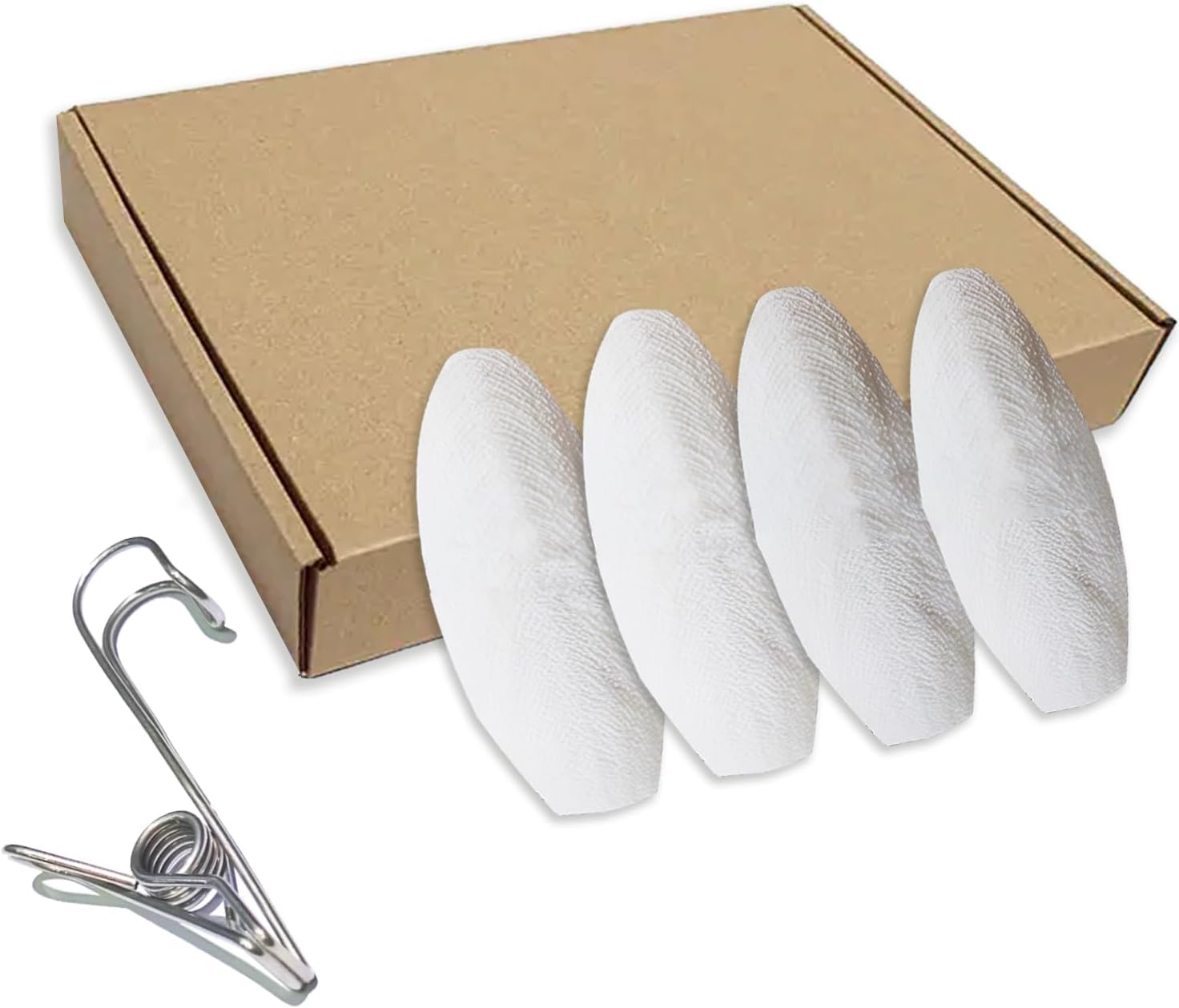
Calcium matters too. A bird that's low on calcium can grow brittle, deformed feathers, and chronic deficiency can lead to more serious problems. Cuttlebone, mineral blocks, and dark leafy greens all help. If your bird is a chronic egg layer, that calcium demand is even higher and needs a vet's input.
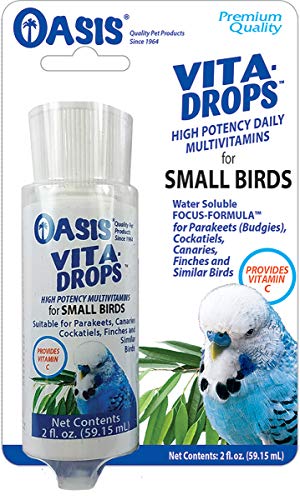
You can also offer a formulated feather-support supplement during heavy molts, but I'd treat that as a top-up, not a replacement for real food. If you want a specific product, a pellet-based diet plus a quality multivitamin covers the bases. One option many owners use is a bird vitamin and mineral supplement designed for molting support. Just don't rely on supplements to fix a bad diet.
Light, Temperature, and the Hormonal Triggers Behind Molting
Birds don't molt on a calendar. They molt in response to light cycles, temperature shifts, breeding hormones, and food availability. Indoor birds living under artificial light often have disrupted molt cycles because the light isn't seasonal. If your bird molts constantly, in small amounts year-round, the first thing I'd look at is photoperiod.
Parrots need roughly 10 to 12 hours of dark, uninterrupted sleep to regulate hormones properly. If your bird is in a room where the TV stays on until midnight and the sun wakes it at 6 a.m., it's running on a permanent summer light cycle. That can trigger chronic low-level molting, hormonal behavior, and even chronic egg laying in females.
Temperature matters less than people think, but sudden swings can trigger a molt. A bird that's kept at 65°F in winter and 85°F in summer is getting a seasonal signal. A bird in a constant 72°F house with no variation gets a muted one. That's not necessarily bad, but it does mean you should pay attention to other triggers.
Bathing, Humidity, and Itchy Pin Feathers
New feathers emerging through the skin are itchy. A bird that can't bathe during a molt is a miserable bird. Offer a shallow dish of room-temperature water daily, or mist your bird lightly with a spray bottle. Some birds prefer a shower perch in the bathroom. Whatever method works, the goal is the same: soften the keratin sheaths so the new feathers can unfurl without the bird having to pick at them constantly.
Humidity helps too, especially in winter when indoor air gets dry. Most parrots do well at 40 to 60 percent relative humidity. If your house drops below 30 percent in January, a room humidifier near the cage can make a real difference. Dry air makes pin feathers brittle and itchy, and a bird that's picking at pins can easily escalate into plucking.
If your bird has a favorite bathing setup, keep it available. Birds that normally hate water can suddenly beg for a bath every day during a molt. Let them.
The Plucking Question: When Molting Turns Into a Behavior Problem
Feather plucking is one of the most frustrating problems in avian medicine because it has so many possible causes. It can be medical, nutritional, environmental, hormonal, or psychological, and often it's several at once. The bird starts by over-preening a spot during a molt, the skin gets irritated, and the habit sticks after the molt ends.
If you catch it early, you can sometimes interrupt the cycle. Increase bathing opportunities. Add foraging toys to give the beak something else to do. Check the cage for anything that might be rubbing or irritating the skin. Look at the air quality. Cigarette smoke, scented candles, nonstick cookware fumes, and aerosol sprays are all bad for birds, and chronic low-level irritation can absolutely contribute to plucking.
If the behavior has been going on for more than a few weeks, or if the skin is broken, you need an avian vet. Plucking is not a training problem you can fix with a spray bottle or a distraction toy. It's a symptom, and you have to find the cause. Owners often waste months on behavioral fixes when the real issue is a chronic bacterial infection or a thyroid problem.
What a Healthy Molt Looks Like Week by Week
Week one: more down feathers than usual, maybe a few small contour feathers. Bird seems normal.
Week two to four: pin feathers start appearing on the head and neck. Bird may be crankier or sleepier. Appetite often increases.
Week four to eight: flight and tail feathers drop in sequence. You'll see gaps in the wings. Bird may be less interested in flying or may fly clumsily. Pin feathers on the body start to open.
Week eight to twelve: most pins have unfurled. Bird looks sleeker. Behavior returns to baseline.
If your bird is still dropping feathers heavily after twelve weeks, or if new feathers never seem to fully open, something is off. Chronic molting with no resolution is a classic sign of malnutrition, thyroid disease, or a hormonal imbalance.
Practical Support During a Molt
The routine itself can stay simple. First, bump the protein slightly and make sure fresh water is always available. Second, offer a bath every day, even if the bird usually refuses. Third, check the cage bottom every morning and look at the feathers. Clean shafts with hollow bases mean normal molt. Chewed, bent, or bloody shafts mean trouble. Fourth, keep the sleep schedule strict. Twelve hours of dark, quiet sleep, no exceptions.
If the bird is scratching at its head pins, I help. A bonded bird will sit on my hand and let me gently roll the sheaths between my fingers. This is not just grooming, it's trust. Birds that get help with their pins tend to be calmer through the whole molt.
If you want a single product that pays off during a molt, a good humidifier or a quality bathing dish is worth more than any supplement. One option that works well for birds that prefer a gentle mist is a fine-mist spray bottle designed for bird bathing. It's not glamorous, but it gets used daily for weeks at a time.
When to Call an Avian Vet
Call the vet if you see any of the following:
Bald patches with no new growth for more than two weeks.
Feather loss that's asymmetrical or concentrated on the head, neck, or vent.
Broken, bloody, or deformed feathers.
Skin that's red, scabby, or has visible parasites.
Any change in appetite, droppings, breathing, or energy that lasts more than a day or two.
Behavior changes that don't resolve when the molt should be over.
If you don't already have an avian vet, find one before you need one. Regular dog-and-cat vets often don't have the equipment or training to handle birds properly, and a bird that's already sick doesn't have time for you to shop around. The Association of Avian Veterinarians has a directory that can help you locate a qualified practitioner in your area.
Bottom Line
Molting is normal, but it's not a free pass to ignore feather loss. The difference between a healthy molt and a problem is pattern, timing, and what the feathers look like when you pick them up. Get in the habit of looking at the cage tray every morning. Learn what a clean feather shaft looks like. Keep the diet solid, the sleep schedule strict, and the baths frequent. If something doesn't add up, get a vet involved early. Your bird can't tell you what's wrong, but its feathers can, if you know how to read them.
Related Reading
Want more on this topic? Check out our guides on how to tell if your bird is sick warning signs, best bird mirrors toys cage enrichment, best budgie parakeet cages accessories complete habitat guide.