How to Tell If Your Bird Is Sick: 15 Warning Signs You Shouldn't Ignore
Birds hide illness like it's a profession. It's a survival instinct — in the wild, a sick bird is the first one a predator picks off, so parrots have spent millions of years perfecting the art of looking fine while falling apart inside. The average owner doesn't notice anything wrong until the bird is sitting on the cage floor, fluffed up and barely breathing. By then, what might have been a treatable infection has often become a fatal one. I've been in exam rooms when owners realize that the subtle change they shrugged off three weeks ago was the early warning sign. This is the list I wish every bird owner had printed next to the cage.
The honest truth: you will never catch a bird's illness at the very start, because birds are that good at hiding it. What you can do is learn the early signs — the small, easy-to-miss changes — and act on them the day you see them, not the day you're sure. Birds deteriorate fast. A bird that looks sick to you is already seriously ill; a bird that's acting normal may still be fighting something you can't see. Regular weighing is your single best early-warning tool, and I'll come back to that.
1. Sitting Fluffed Up for Hours
A bird fluffs its feathers to trap warm air — it's how they regulate temperature. A bird that sits puffed up for extended periods, especially when it's not sleeping, is almost always cold, unwell, or both. Combine fluffing with closed eyes, a tucked head, or reduced activity and you have the classic "sick bird posture." Fluffed and sleeping during the day when your bird is normally active? That's a vet visit today, not next week.
This is one of those signs people explain away — "he's just sleepy," "the room was drafty." And sometimes they're right. But with birds, the cost of being wrong is high. A bird that's fluffed for a full day and still fluffed the next morning needs attention, period.
2. Changes in Droppings
Your bird's droppings are a health report card, and they're the easiest thing to monitor because they happen constantly. Normal droppings have three parts: the dark solid (feces), the creamy white part (urates), and the clear liquid (urine). Changes to watch for: watery or increased urine, green or yellow discoloration, undigested food in the stool, blood (red or black), or a sudden change in volume. Diarrhea isn't just messy — it's dehydrating, and small birds can dehydrate dangerously fast.
Vets will ask you about droppings at every appointment for a reason: they reflect what's happening in the gut, kidneys, and liver all at once. If you notice a change, take a photo of the droppings before you clean the cage. You'll forget what "normal" looked like by the time you reach the clinic, and that photo is genuinely useful diagnostic information.
3. Decreased Appetite or Drinking
Birds have high metabolisms and low body mass — they can't coast through a few days of not eating like a dog can. A bird that stops eating for even 24-48 hours is in real danger, because it starts burning its muscle reserves. A bird that's eating less than usual, picking at food without eating, or showing no interest in favorite treats is signaling a problem. The same goes for a bird that's suddenly drinking far more or far less than usual — both are red flags worth a vet's opinion.
Weight yourself tracks this better than observation ever will. A digital kitchen scale reading in grams is the single most useful piece of bird-care equipment you'll ever own. Weigh your bird at the same time each morning, before breakfast, and write the number down. A 10% weight loss is serious. In a small bird like a budgie or cockatiel, 10% is just a few grams — which is why visual observation alone will always let you down.
4. Tail Bobbing
A bird's tail should move when it's active, hopping, or climbing. It should NOT be bobbing rhythmically while the bird sits still. Tail bobbing while at rest is a classic sign of respiratory distress — the bird is working harder to breathe, and every breath visibly moves the tail. This is one of the most reliable indicators of lung or air sac problems in birds, and it warrants a vet visit quickly. Birds have a unique respiratory system with air sacs that extend through their body, which makes them especially vulnerable to airborne irritants and respiratory infections.
5. Open-Mouth Breathing or Wheezing
Birds don't pant like dogs, and they don't normally breathe through their mouths. Open-mouth breathing, wheezing, clicking sounds, or a change in vocalization — like a quieter or raspier voice — all point to respiratory trouble. So does a tail that bobs, or a bird that seems to be "coughing" or sneezing repeatedly. Some of this can be caused by environmental irritants — smoke, fumes, scented products — but the response is the same: remove the bird from the suspected irritant and get veterinary advice. The household dangers guide has the full rundown on the everyday items that can damage a bird's respiratory system.
6. Changes in Droppings Color — the Specifics
Let me be more specific, because droppings are where the details live. Bright green or yellow droppings often mean the bird isn't eating properly — it can indicate liver issues or bile building up. Black, tarry droppings suggest digested blood, which points to internal bleeding. Red can mean fresh blood from the lower digestive tract or reproductive system — a significant concern in female birds, who can develop egg-binding and reproductive tract problems. Watery droppings that look like a puddle can mean kidney trouble or simply too much watery food. None of these are DIY-diagnosis territory — they're "call the vet" territory — but knowing they're abnormal is the first step.
7. Changes in Behavior or Personality
You know your bird's normal personality. The loud, bossy cockatiel who suddenly goes quiet. The friendly conure who starts biting everyone. The budgie who stops chattering. The bird who hides at the bottom of the cage instead of perching up high. A sudden change in behavior — aggression, lethargy, withdrawal, or unusual clinginess — can be the first sign something hurts. Birds in pain don't cry out the way mammals do; they go quiet and still, which is why a quiet bird is not automatically a calm bird.
This is also why I push back on the "he's just having an off day" interpretation. One off day happens. Two off days is a pattern. And with birds, patterns deserve attention.
8. Sitting on the Cage Floor
Healthy birds perch. A bird spending unusual amounts of time on the floor of the cage — especially a bird that normally lives at the top — is often too weak to grip a perch or too sick to care. This pairs with fluffing and closed eyes to form the classic presentation of a seriously ill bird. Weakness, leg problems, or egg-binding can also cause it. Any bird that's on the floor and can't or won't get back to its perch needs immediate veterinary care.
9. Changes in Vocalization
A bird that stops talking, stops singing, or loses the normal sound of its voice may have a respiratory infection, a sore throat, or simply be too tired. Conversely, a normally quiet bird that suddenly screams constantly might be in pain or distress. The change matters more than the direction. You know the sound of your bird's voice. If it's different — raspy, quiet, strained, or absent — take it seriously. The bird health and wellness guide covers building a home first-aid kit and knowing when a change is worth a call.
10. Ruffled, Dull, or Missing Feathers
Feather condition reflects overall health. A bird with consistently ruffled, dull, or dirty-looking feathers — beyond normal preening — is often unwell. So is a bird with bald patches, broken blood feathers, or excessive feather loss outside of normal molting cycles. Feather plucking is its own complex issue, usually behavioral, but it can also stem from skin irritation, parasites, or underlying illness. A sudden change in feather condition, especially paired with any other sign on this list, deserves a look.
Normal molting happens gradually and symmetrically, and a molting bird usually still looks reasonably put-together. A bird that looks ragged — with bare spots, chewed feathers, or feathers that stay fluffed no matter what — is a different story.
11. Discharge From Eyes, Nostrils, or Beak
Clear, healthy birds don't have runny eyes or noses. Discharge from the nares (nostrils), crusty or swollen cere, watery or swollen eyes, or discharge from the beak all point to infection or irritation. Sneezing occasionally can be normal — a bird clearing dust — but repeated sneezing with discharge is not. These signs often accompany respiratory infections, and they're highly treatable when caught early. Let them go, and the infection can spread to the air sacs, where treatment gets much harder.
12. Regurgitation That Isn't Feeding Time
Regurgitation is normal for bonded birds — it's how they feed mates and babies, and many birds do it when they're excited or hormonal. But vomiting is different. A bird that's actually vomiting will flick its head and throw food, often with droppings-soaked, wet feathers around the face and neck. Persistent vomiting, especially in a bird that isn't in breeding mode, is a sign of gastrointestinal trouble, infection, or poisoning. If you're not sure whether it's regurgitation or vomiting, the safest answer is to ask your vet — they can usually tell from a description.
13. Limping, Favoring a Foot, or Not Bearing Weight
Birds hide pain in their feet and legs remarkably well — a bird can be perched on a broken leg without you noticing until it's severe. Watch for limping, holding one foot up, shifting weight constantly, or refusing to use a perch. Also check the feet themselves: swelling, redness, heat, or sores on the bottom of the feet (bumblefoot) are all significant. Foot problems in birds can progress from treatable to crippling quickly, so don't wait for the bird to "look uncomfortable" — birds rarely do.
14. Changes in Sleep Patterns or Appetite for Bathing
A bird that's sleeping more than usual, napping during active hours, or tucked into a corner of the cage when it's normally social may be conserving energy — a classic sick-bird behavior. The same goes for a normally enthusiastic bather who suddenly avoids water, or a bird whose grooming habits have changed. Sudden changes in any daily rhythm are worth noting. Birds are creatures of routine, and when routine breaks, something is usually wrong.
15. Egg-Binding Signs in Female Birds
Female birds — especially cockatiels, budgies, and lovebirds — can develop egg-binding, where an egg gets stuck in the reproductive tract. It's a life-threatening emergency. Signs include sitting on the floor with legs spread wide, straining, a swollen abdomen, tail bobbing, and a distressed or quiet posture. Any female bird showing these signs needs emergency veterinary care immediately. This isn't a watch-and-wait situation — egg-binding kills birds fast, and surgical intervention is often the only option by the time it's obvious.
When to Call the Vet — and What to Do in the Meantime
Here's my rule of thumb, and it's served me well through years of bird emergencies: any bird showing two or more of these signs at once, or any single serious sign — open-mouth breathing, sitting on the floor, bleeding, tail bobbing at rest — gets a vet call that day. Not tomorrow. Not "if it gets worse." Birds decline on a schedule measured in hours, not days. The Association of Avian Veterinarians publishes owner education materials on recognizing illness, and the consistent message is the same: in birds, early intervention is everything.
While you're arranging the vet visit: keep the bird warm — a quiet room, a stable temperature, minimal stress. A low-wattage snuggle-up heating pad placed under part of the cage floor gives a chilled bird a warm spot to retreat to, which supports recovery while you travel to the clinic. Make sure food and water are easily accessible. Don't medicate with anything from your own cabinet; bird doses are measured in micrograms and human medications can kill. Handle the bird as little as possible to avoid adding stress. And write down what you've observed — appetite changes, droppings, behavior — because you'll forget details the moment you're in the exam room.
Setting Up Your Early-Warning System
You don't need to be a vet to catch bird illness early. You need three habits: weigh your bird weekly (daily if it's been sick) and track the numbers; glance at the droppings every time you change the cage liner; and know your bird's normal behavior well enough that deviations register. That's it. That's the entire early-warning system, and it costs you five minutes a day.
If you want a proper reference at hand, the emergency care guide book used by many avian vets walks through triage steps for the common emergencies — blood feathers, egg-binding, poisoning — so you're not frantically googling at 2 AM. The weight chart, though, is the part most people skip, and it's the part that saves lives. A digital gram scale costs less than a bag of premium seed. Weighing a small bird is easy — a perch that sits on the scale, or a small container with a towel. The trend matters more than any single reading: three consecutive weigh-ins trending down is a veterinary conversation, even if the bird looks great. I've seen owners catch cancers, infections, and heart disease months earlier than they would have otherwise — all because a number on a chart started moving in the wrong direction.
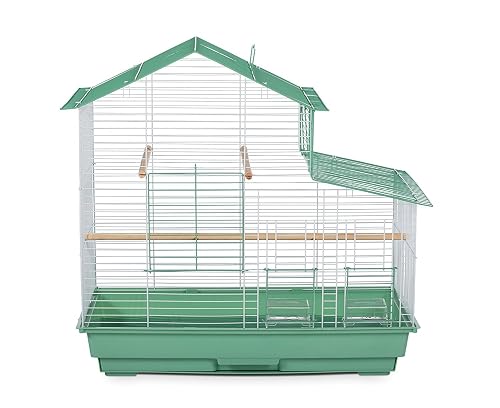
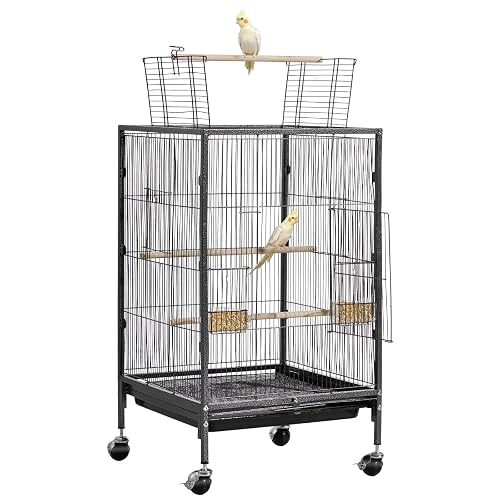
If you're just starting out with birds, the bird cage guide and the household hazards guide cover the two biggest disease vectors for pet birds — inadequate housing and environmental dangers. Get those right, pair them with a scale and a vet relationship, and you've done more for your bird's health than most owners ever will. Birds are fragile, but they're also remarkably resilient when problems get caught early. The trick is catching them.
Related reading: Parakeet vs Cockatiel: Which Bird Actually Fits Your Life?, Bird Toys & Enrichment Products, Bird Cage Play Tops & Roof Gyms, Bird Nail Clippers, Beak Files & Grooming Tools, Bird Air Purifiers & Dander Removal Systems, Bird Cage Disinfectants & Cleaning Supplies, Bird Flight Harnesses & Outdoor Safety Gear, Bird Cradle Swings & Sleep Perches, Bird Flight Suits & Harnesses, Bird Window Perches & Aviary Accessories, Bird Feather Supplements & Molting Care and Bird Toys & Enrichment.
Affiliate Disclosure: As an Amazon Associate, PawCritic earns from qualifying purchases. All product recommendations are based on thorough research, hands-on testing, and community feedback — never on affiliate relationships. Prices and availability are subject to change.