That 9 PM Sprint Around the Couch Isn't Random
You're settling into the couch. The dog was asleep thirty seconds ago. Then something clicks, and now a 70-pound Labrador is doing laps around your coffee table at what looks like Mach 2, ears pinned back, butt tucked, eyes wild. The zoomies are here.
This exact scene plays out in everything from a 6-pound Chihuahua to a 120-pound Great Dane. It's one of the most misunderstood behaviors in dog ownership. Some people laugh it off. Others worry their dog is having a seizure or losing its mind. The truth sits somewhere in the middle, and knowing which side of the line you're on matters more than most owners realize.
Vets call this Frenetic Random Activity Periods, or FRAPs. The name is clunky, but the behavior is universal. Nearly every dog does it at some point, and it's usually completely normal. Usually. There are specific situations where zoomies signal something that needs attention, and I'll walk you through both sides.
What Exactly Is Happening During a Zoomie Episode
A zoomie is a sudden, intense burst of energy that typically lasts anywhere from 30 seconds to a few minutes. The dog runs in tight circles, often at top speed, sometimes with the body twisted sideways, sometimes bouncing off furniture like a pinball. Some dogs vocalize. Some grab a toy. Some do a specific move I call the 'butt tuck and burn' where the rear end drops and they take off like they've been launched.
According to the American Veterinary Medical Association, these bursts are a normal expression of energy release, particularly in young dogs and puppies. The behavior isn't aggression, and it isn't a medical event in healthy dogs. It's the canine equivalent of a toddler running laps around the living room after being cooped up all day.
What's fascinating is the timing. Zoomies tend to cluster around predictable moments:
- Right after a bath (the classic post-bath sprint)
- After a bowel movement
- During evening hours, often between 7 and 10 PM
- After being released from a crate or confined space
- During the first cold snap of fall
- After a stressful event like a vet visit or nail trim
Each of these triggers tells you something different about what's driving the behavior.
The Post-Bath Zoomie and Other Stress-Release Bursts
That frantic sprint after a bath isn't random joy. It's a discharge of accumulated stress. Baths are weird for dogs. The smell is wrong, the sensation is wrong, and they can't control any of it. Once it's over, the nervous system dumps all that pent-up arousal in one explosive burst.
The same mechanism applies to nail trims, vet visits, and being handled in ways the dog doesn't enjoy. This goes wrong with owners who try to stop the zoomie by grabbing the dog mid-sprint. That's how you get a bite. A dog in full FRAP mode is not thinking clearly, and grabbing a moving target during a stress discharge is asking for trouble.
The fix here isn't to stop the zoomie. It's to give it a safe outlet. Close doors to rooms with fragile items, clear the path, and let the dog burn it out. It usually takes less than two minutes. Then offer a high-value chew or a stuffed food toy to help the nervous system settle.
Evening Zoomies: The Pent-Up Energy Problem
The 8 PM couch sprint is a different beast entirely. This one is usually about unmet physical and mental needs. A dog that's been alone for nine hours, walked for fifteen minutes, and then expected to lie quietly all evening is going to find an outlet. Zoomies are that outlet.
According to the AKC, most adult dogs need between 30 minutes and two hours of daily exercise depending on breed, age, and energy level. That's not a suggestion. It's a biological requirement. A Border Collie that gets a twenty-minute walk is going to invent its own exercise plan, and you won't like the plan it invents.
This shows up especially in herding breeds and working lines. Those dogs need a job, not just a walk. If your evening zoomies are happening every single night at the same time, that's not a quirk. That's a dog telling you the daily routine isn't cutting it.
What actually fixes it:
- Add 20 to 30 minutes of structured exercise before the typical zoomie window
- Replace one walk with a training session or scent work game
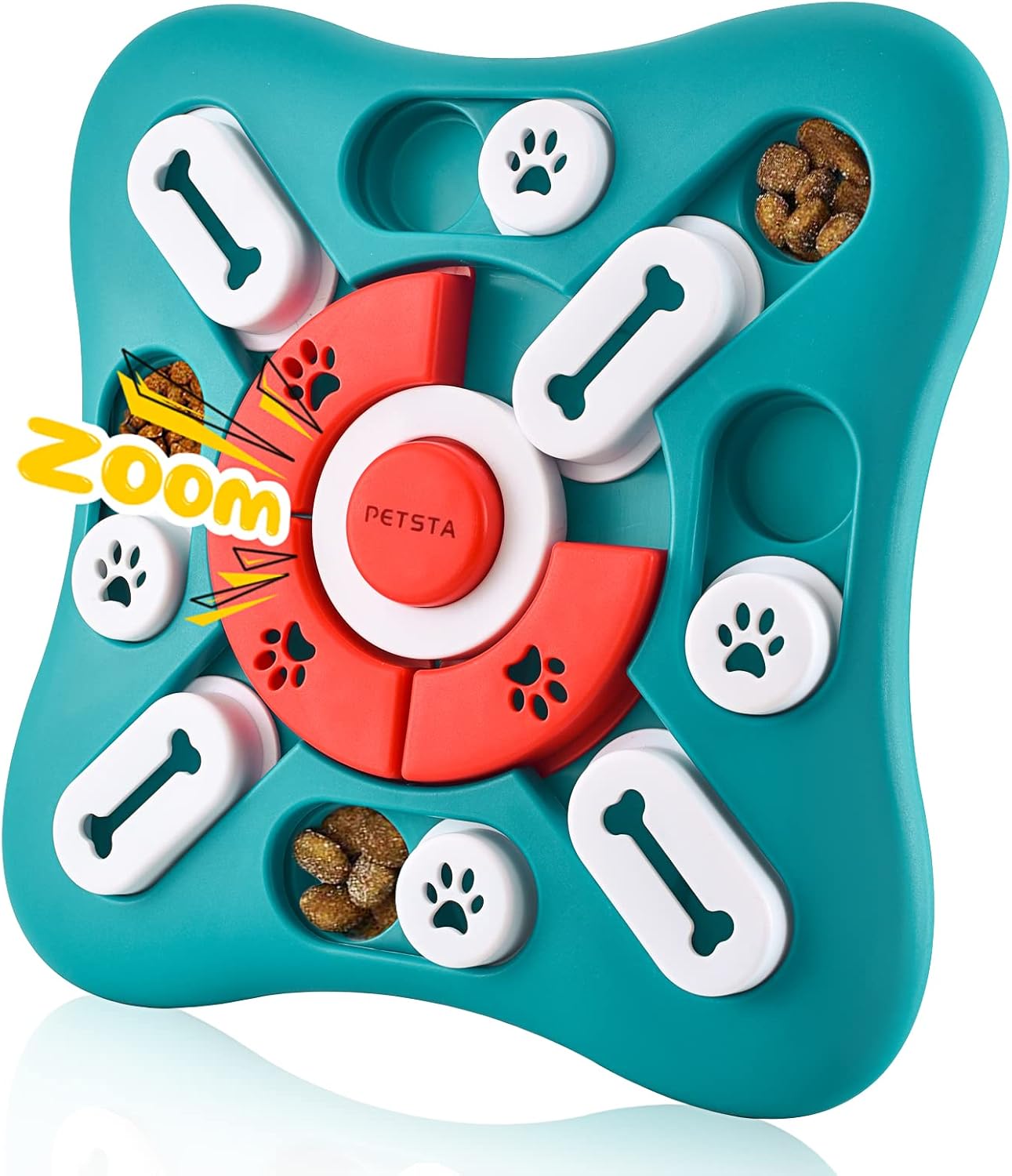
- Use a food puzzle for dinner instead of a bowl
- Schedule a short mid-day walk if you can, or hire a walker
A snuffle mat or a frozen stuffed toy in the evening is worth trying. It gives the dog something to do with its mouth and brain, which settles the nervous system in a way that pure physical exercise often doesn't. One option that works well for this is the Outward Hound Snuffle Mat or a similar foraging toy, because it mimics the natural scavenging behavior dogs are wired for.
Puppy Zoomies: The Developmental Phase Nobody Warns You About
Puppies between about 4 and 12 months old zoomie more than any other age group. Their brains are developing, their bodies are growing, and their ability to self-regulate is basically nonexistent. The zoomie is often the last gasp before a total energy crash.
Watch the pattern. A puppy that zooms hard for two minutes and then passes out cold for an hour is doing exactly what it should. A puppy that zooms and then can't settle, paces, pants heavily, or seems agitated needs a different response. That's over-arousal, not normal play, and it can escalate into nipping and destructive behavior if you don't intervene.
The intervention for over-arousal is boring on purpose. Dim the lights, reduce noise, put the puppy in a quiet space with a chew, and let the nervous system reset. Don't add more stimulation. Don't try to tire them out further. That backfires every time.
When Zoomies Are Actually a Red Flag
Most zoomies are harmless. Some are not. Here's where I draw the line, and where I tell owners to call their vet.
Zoomies that end in collapse or disorientation. If your dog sprints and then can't stand, seems confused, or takes more than a minute to return to normal, that's not a zoomie. That could be a seizure, a cardiac event, or a neurological issue. Get it checked.
Zoomies with head pressing or circling in one direction. A dog that circles obsessively in a single direction without the play signals (play bow, wagging tail, relaxed face) may be showing neurological symptoms. This is especially true in senior dogs.
Zoomies in a dog that's also losing weight despite eating normally. That combination can point to hyperthyroidism, which is less common in dogs than cats but does happen. According to the FDA, unexplained weight loss with behavioral changes warrants a veterinary workup.
Zoomies that include self-injury. Some dogs bite at their tails or flanks during FRAP episodes. If your dog is hurting itself, that's a compulsive behavior disorder, not a zoomie. Compulsive tail chasing is a recognized condition in Bull Terriers, German Shepherds, and other breeds, and it needs behavioral and sometimes medical treatment.
Zoomies that only happen at night and come with increased thirst and urination. That pattern can suggest Cushing's disease or diabetes. Worth a blood panel.
How to Make Zoomies Safe (Because You Can't Stop Them)
You're not going to eliminate zoomies in a healthy dog, and you shouldn't try. What you can do is make sure the environment doesn't turn a normal behavior into an injury.
Here's my practical checklist, built from years of watching dogs wipe out on hardwood floors:
- Add traction. Hardwood and tile are the enemy. A runner rug or two in the main zoomie path prevents the slipped-disc injuries that are more common than many people would expect.
- Clear the runway. Coffee tables with sharp corners, floor lamps, and glass decor are all hazards. Move them or accept the risk.
- Close the exits. A dog that bolts out an open door mid-zoomie is a dog that can get hit by a car. This happens more often than people expect.
- Don't chase. Chasing turns a zoomie into a game, which extends it and raises arousal. Stand still or sit down. The zoomie usually burns out faster.
- Don't grab. A dog in full sprint mode has poor impulse control. Grabbing is how bites happen.
If your dog is a senior with arthritis or a breed prone to joint issues like a Labrador or a German Shepherd, talk to your vet about whether high-speed turns are safe. Zoomies involve sharp pivots that put stress on the cruciate ligaments. More than one CCL tear can happen during a living room sprint.
Redirecting the Energy: What Actually Works
If the zoomies are happening at inconvenient times, the answer isn't punishment. It's redirection. Punishment during a zoomie doesn't work because the dog isn't in a mental state to learn. You're just adding stress to an already aroused nervous system.
What works is building a default behavior you can cue when the zoomie starts. I teach a 'go to mat' cue for exactly this reason. When the dog starts revving up, you send it to the mat, reward calm, and wait. It takes weeks of practice during calm moments to make it reliable during high arousal, but it works.
The other tool is a structured outlet before the zoomie window. A flirt pole session, a game of tug with rules, or a round of fetch in the yard can drain the tank before the living room becomes a racetrack. A good tug toy that you can use for controlled play is worth having on hand. Something like the KONG Classic works for this because you can stuff it and use it for both active play and calm chewing.
For dogs that need more mental work, a food puzzle at dinner does more than a walk in many cases. Ten minutes of problem-solving tires a dog out like thirty minutes of walking for some breeds. This can transform evening behavior in high-drive dogs.

Zoomies After Pooping: The Weirdest Normal Thing
This one comes up in my inbox constantly. A dog poops, then sprints like it just won the lottery. It looks bizarre, and owners worry it means something is wrong.
It usually doesn't. The most likely explanation is a combination of physical relief and a vagal nerve response. Defecation stimulates the vagus nerve, which can create a brief feeling of euphoria or energy. The same thing happens in humans, though we don't usually sprint around the yard about it.
That said, if the post-poop zoomie is accompanied by straining, crying, or repeated attempts to defecate, that's a different story. Straining to defecate can indicate anal gland issues, a foreign body, or colitis. If the poop itself looks normal and the dog seems happy, the zoomie is just a zoomie.
What About Zoomies in Senior Dogs?
An older dog that suddenly starts zooming when it hasn't done so in years is worth watching. Sometimes it's a good sign, a burst of energy on a good day. Sometimes it's a sign of pain or cognitive dysfunction.
Canine cognitive dysfunction, the dog version of dementia, can cause episodes of pacing, wandering, and what looks like zoomies but is actually disorientation. The key difference is the quality of the behavior. A happy zoomie has play signals. A cognitive episode has a glazed look, no play bow, and often happens at night.
If your senior dog's behavior has changed, a vet visit with a full blood panel and a cognitive assessment is the right move. There are diets and supplements that can help with CCD, but early recognition matters.
Frequently Asked Questions
Can zoomies hurt my dog? Yes, if the environment isn't safe. Slipped discs, cruciate tears, and collisions with furniture are all real risks. Manage the space and the risk drops dramatically.
Should I stop my dog from zooming? No, not if it's normal FRAP behavior. It's a healthy energy release. Redirect if the timing is bad, but don't try to eliminate it.
Do zoomies mean my dog is happy? Usually, yes. A relaxed face, play bow, and wagging tail during a zoomie are all good signs. A tense face, tucked tail, or obsessive circling is not.
Why does my dog zoomie at night? Often it's pent-up energy from the day. Sometimes it's a stress release. The fix is usually more daytime exercise and mental work.
Are zoomies a sign of a health problem? Rarely, but the red flags I listed above are worth knowing. Collapse, disorientation, self-injury, and obsessive circling all warrant a vet visit.
What to Do
Zoomies are one of the few dog behaviors that are almost always exactly what they look like: a dog burning off energy in the most chaotic way possible. Laugh at it. Manage the environment so nobody gets hurt. Give your dog more exercise and mental work if the zoomies are happening every night at the same time.
But learn the red flags. Know the difference between a happy sprint and a neurological event. If something looks off, trust your gut and call your vet. The cost of a checkup is nothing compared to the cost of missing something serious.
And put a rug down. Your dog's joints will thank you.
Related Reading
Want more on this topic? Check out our guides on how much exercise does your dog need guide, dog bloat gdv symptoms prevention guide, best dog toys aggressive chewers.