That Loud Squeal at Fridge-Opening Time Is Not Random
The first time I brought a guinea pig home, I thought something was wrong with her. Every time I opened the refrigerator, she let out a squeal so loud and so piercing that I genuinely wondered if a neighbor could hear it through the wall. Nothing was wrong. She had simply learned, within about four days, that the fridge meant vegetables were coming. That sound is called a wheek, and it is one of roughly a dozen distinct vocalizations guinea pigs use to communicate. If you have been living with your pig and wondering what all the noise means, this guide will walk you through each sound, what it signals, and how you should respond.
Guinea pigs are unusually vocal for rodents. According to the Humane Society of the United States, guinea pigs communicate through an extensive repertoire of sounds, and learning to read those sounds is one of the best ways to monitor their wellbeing. That matters more than most new owners realize, because guinea pigs are prey animals who hide illness instinctively. Their voice is often the earliest warning system you get before a health problem becomes visible.
Wheeking: The Famous Squeal
The wheek is the sound most people associate with guinea pigs. It is a loud, high-pitched squeal or whistle, often repeated in bursts, and it almost always means anticipation. Wheeking happens at fridge openings, bag rustles, the sound of a knife hitting a cutting board, or the general commotion of you walking toward the cage at the usual dinner hour. Some pigs wheek so reliably that you can set a clock by them.
Here is the interesting part: wheeking directed at humans is largely a learned behavior. Wild cavies do not wheek at each other the way domestic pigs wheek at their people. Your pig has figured out that the sound gets results. It is, functionally, a demand, and I mean that affectionately. A wheeking guinea pig is an engaged, food-motivated, socially confident guinea pig. If a pig who normally wheeks like a fire alarm goes silent, that silence deserves attention. I will come back to that later, because appetite changes are one of the most reliable early illness signals in this species.
How should you respond? Go ahead and deliver the vegetables. You are not spoiling them by responding to a wheek. You are reinforcing a communication loop, and that loop builds trust. Just keep the portions sane. A cup of fresh vegetables per day for an adult pig, weighted toward leafy greens, with fruit as an occasional treat rather than a daily expectation.
Rumbling: The Low Purr With an Attitude
The rumble sounds like a low, vibrating purr and it usually means one of two things. In a mixed group, especially with an unneutered male walking slowly around a female while swaying his hips, the rumble is a courtship display, sometimes called rumble-strutting. It is guinea pig flirting, and it is equal parts awkward and unmistakable once you have seen it.
The other context is dominance. When two pigs are sorting out their hierarchy, you may hear rumbling accompanied with raised hackles, teeth chattering, or one pig relentlessly following another. Most of the time this resolves without injury, but you need to watch it. Drawn blood, a pig who is being chased away from food and losing weight, or relentless bullying that prevents sleeping means the pairing needs intervention or separation. According to the RSPCA, guinea pigs housed together still establish hierarchies and need enough space and hiding places so subordinate animals can retreat, which is why I always recommend a habitat with at least two hideouts per pig.
If you keep a single pig and hear rumbling when you pet them, it can also just be a contented sound, deeper and slower than the annoyed version. Context is everything with this one. Rumbling during a relaxed lap session with a pig who is loafed and loose is a good sign. Rumbling with a stiff body and a raised head is not.
Purring: Read the Body, Not Just the Sound
A contented purr is short, low, and happens while you are petting a relaxed pig, usually during a slow stroke from head to shoulders. It genuinely sounds like a quiet cat. The problematic purr is higher pitched, longer, and often occurs suddenly when you touch a specific spot. That second version can mean discomfort or pain. If your pig squeaks or purrs sharply every time you touch the back or hindquarters, that is worth a vet visit. I have seen a case where an owner thought their pig just disliked being petted near the hips, and it turned out to be early arthritis. Pain responses disguised as preferences are common in prey animals.
Chutting and Muttering: The Happy Background Noise
Chutting is a soft, repetitive 'coo-chut-chut' sound that happy pigs make while exploring. Some pigs chutt while wandering a play pen, investigating new hay, or following a favorite human around the room. It is relaxed, low-stakes contentment. A related sound is the quiet mutter or murmur, the little stream of contented noises a pig makes while snuffling around a clean cage or settling into fresh hay. If your guinea pig mutters to themselves while rearranging their bedding like a tiny interior designer, you are doing something right.
Teeth Chattering: The One You Take Seriously
Teeth chattering is a rapid clicking sound and it is an unambiguous warning. It means back off. You will hear it during bonding sessions between unfamiliar pigs, or from a pig whose space is being invaded. Do not punish it and do not ignore it. It is the politest warning your pig will ever give before escalating to a lunge or a nip. If you hear chattering during an introduction, separate the pigs with a barrier, let them calm down, and slow the process down. If you hear it when you reach into the cage, stop what you are doing, withdraw slowly, and think about what just happened. Did you startle them? Are they guarding food? Is a cage-mate looming?
During bonding, brief chattering and even mounted dominance displays are normal. What is not normal is a sustained fight. Have a towel or a dustpan ready during introductions so you can separate combatants without putting your hands between teeth.
Shrieking: The Emergency Sound
A shriek is a sharp, high, sudden cry that indicates fear or acute pain. If your pig shrieks, something happened. Sometimes it is trivial, a cage-mate nipped them, a loud noise startled everyone. But a shriek during handling, during defecation, or when a specific body area is touched points toward pain, and pain in guinea pigs warrants an exotic vet the same day. Do not adopt a wait-and-see attitude with a shrieking pig. According to the ASPCA, small pets like guinea pigs often mask symptoms until illness is advanced, so any sudden behavioral or vocal change should prompt a prompt call to a veterinarian experienced with exotic animals.
Whining and Cooing: The Softer Signals
A whine is a low, complaining sound, often heard from a pig who is annoyed, perhaps a subordinate pig being pestered, or a pig who is being picked up when they would rather not be. It is mild protest, not distress. Cooing, a gentle soft sound, is most often associated with a mother communicating with pups, but some adult pigs coo softly at humans they trust. It is one of the quieter, sweeter signals in the repertoire and usually means all is well.
Dookie... and Other Sounds You Did Not Expect
Yes, guinea pigs make a chirping sound that resembles a bird. Chirping is rare, poorly understood, and slightly eerie. Some pigs chirp at night, sometimes rhythmic and trance-like, and nobody in the guinea pig community has fully explained it. Theories range from a response to stress to an instinctive predator-confusion call. If your pig chirps occasionally and is otherwise eating, drinking, and behaving normally, most experienced keepers consider it a curiosity rather than a crisis. Log when it happens, watch the context, and mention it at your next vet check if it becomes frequent.
You will also hear random squeaks, sneezes, hiccups, and little grunts that mean nothing in particular. Not every sound carries a coded message. The pattern matters more than any single noise.
When a Loud Pig Goes Quiet
Here is the part I want you to actually take away from this article. Learning pig sounds is fun, but the most important sound is the absence of one. A guinea pig who has stopped wheeking for food, who is sitting hunched in a corner with a puffed-up coat, who is not touching hay, or whose droppings have become small, sparse, or misshapen is a medical emergency in progress. Guinea pigs cannot safely go long without eating. Their gut slows down, and gastrointestinal stasis can become life-threatening within a day.
The checklist I give every new pig owner: is the pig eating hay continuously, are the poops normal-sized and plentiful, is the pig moving around, and is the pig making their usual sounds. A 'no' on any of those four for more than a few hours means calling an exotics vet. Do not wait for obvious sickness, because with prey animals you often will not see obvious sickness until it is very late.
How to Encourage a Quieter Pig to Find Their Voice
Some pigs are naturally vocal from week one and some take months to warm up. Vocal confidence tracks with general confidence, and general confidence comes from environment. Give them a habitat large enough to actually move in, somewhere north of 7.5 square feet for a pair and more if you can manage it. Provide hideouts so they can retreat and feel secure rather than exposed. Keep them in pairs or small groups, because guinea pigs are highly social and a lone pig is often a withdrawn pig. Talk to them in a consistent, calm voice when you approach, and always announce yourself before opening the cage so you never train them to associate your hands with ambush.
Food timing does the rest. Pigs learn routines fast. If vegetables arrive at roughly the same time daily, within a couple of weeks you will likely get the full wheeking chorus. It is one of the best parts of keeping these animals, and honestly, the reason a lot of us got a second pig. The first one talked so much we wanted to hear the conversation doubled.
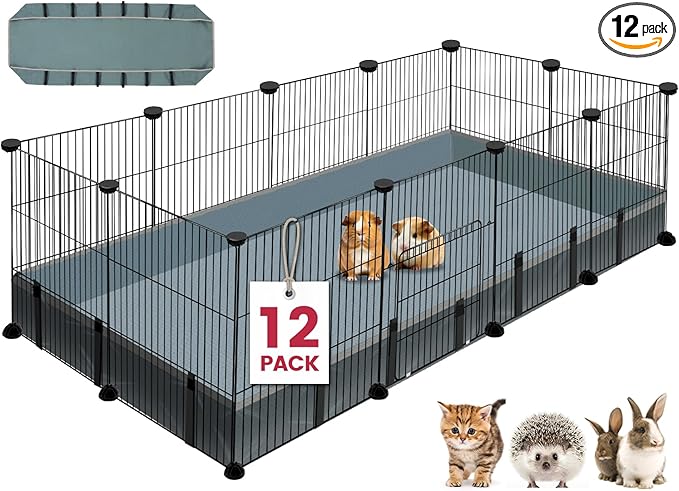
For enrichment beyond mealtimes, tunnels, chew items, and hay-based forage toys keep a pig active and vocal. A solid option for hay and foraging enrichment is available here: check current price on Amazon. If you are upgrading a habitat to give a nervous pig more security and room, this spacious option is worth a look: see the latest price here.

Reading Sounds Together With Body Language
No sound should ever be interpreted in isolation. A wheek from a pig who is standing alert at the cage front is excitement. The same wheek from a pig lying flat with half-closed eyes might be discomfort. A rumble during a slow hip-swaying strut is courtship. The same rumble from a stiff, raised-hackles pig is a warning. Pair every vocalization with what the body is telling you: posture, fur condition, ear position, and whether the pig is eating, popcorning, or hiding.
Popcorning, by the way, is the joyous leaping and twisting that happy pigs do, most often young ones, and it pairs beautifully with wheeking and chutting. If your pig is popcorning around the cage while making happy noises, you can skip the analysis entirely. That is about as unambiguous as guinea pig communication gets.
Getting to Know Your Particular Pig
Every pig has an accent. Some are operatic wheekers who announce everything. Some are mutterers. Some barely vocalize until they trust you completely, then turn into chatterboxes eight months in. Keep a simple mental notebook, or an actual one, of which sounds your pig makes and when. After a few weeks you will start predicting their behavior from the noises, and more importantly, you will notice immediately when the soundtrack changes. That early-warning ability is worth more than any product you can buy for this hobby.
The practical takeaway: spend five minutes a couple of times a day just listening. Learn your pig's normal baseline of sound and movement while they are healthy, because that baseline is the reference you and your vet will need if anything ever goes wrong. A wheek tells you dinner is coming. Silence tells you something else entirely, and knowing the difference is what separates a guinea pig owner from a guinea pig keeper.
Related Reading
Want more on this topic? Check out our guides on best rabbit toys enrichment, best small pet chew toys dental health, best small pet outdoor exercise pens.