The First Cold Snap Is Where Winter Mistakes Happen
Every November we watch the same pattern repeat in owner questions. The first genuinely cold week of the season arrives, walks continue exactly as they did in September, and within days the worried searches begin. Why is my dog lifting his paws off the sidewalk? Is shivering on a walk normal? Why are his pads suddenly cracking? Almost every one of those questions traces back to a single assumption, the idea that a coat of fur makes a dog weatherproof.
It does not. According to the AVMA, cold tolerance varies dramatically from animal to animal, and pets left outdoors in low temperatures can develop hypothermia and frostbite faster than many owners expect. The thermometer alone does not even tell the full story. Wind chill strips heat away faster than calm air at the same reading. Damp air pulls heat from a wet coat far faster than dry cold. Ground temperature on a frozen sidewalk can be ten degrees colder than the air above it, and duration matters just as much as intensity: fifteen minutes at 20 F is a different event from an hour at 20 F.
This guide gives you working numbers instead of vague reassurance. We cover the temperature bands most veterinary sources treat as starting points, the five factors that decide where your own dog sits inside those bands, the early warning signs that show up before real danger does, and the ground level hazards, ice melt salt and antifreeze above all, that send more dogs to the clinic in November and December than cold air does. We finish with the five minute routine we recommend for every winter walk from now until spring.
The Temperature Bands: Where Risk Actually Starts
No single number works for every dog, but veterinary guidance gives us useful starting bands. Treat them as a framework for judgment, not a license.
Above 45 F (7 C): for a healthy, acclimated dog, cold is rarely a limiting factor. Puppies, seniors, and thin-coated breeds still deserve a watchful eye, but most dogs can walk normally at these temperatures.
45 F down to 32 F (0 to 7 C): this is the caution band for at-risk dogs. Small breeds, lean breeds with single coats, seniors, puppies, and dogs fresh from a grooming clip can start to struggle here, especially on long walks. A healthy Labrador is fine; a whippet may not be.
32 F down to 20 F (-7 to 0 C): risk climbs for most dogs. Keep walks shorter and purposeful, watch for the warning signs listed below, and take at-risk dogs out only for brief potty breaks. Hypothermia becomes possible, not just uncomfortable.
Below 20 F (-7 C): potential danger territory for every dog except the most cold adapted double coated breeds, and even they need limits. Frostbite on ear tips, tail, and paw pads becomes a real possibility. Multiple walks of five to ten minutes beat one long trek.
Adjust the reading before you decide anything. If the forecast says 28 F with a 15 mph wind, your dog experiences something closer to the wind chill number. If it is actively raining or sleeting at 38 F, a soaked dog loses heat many times faster than a dry one, so a wet 38 F behaves like a much colder dry day. We tell owners to plan around the wind chill figure and to cut walks short in any precipitation below 40 F.
One more correction to a common belief: snow on the ground does not automatically make a walk dangerous. A crisp, dry, calm 15 F day with fresh powder is often more comfortable than a damp 35 F sleet walk. The dog you are walking matters more than the number on the thermometer, which brings us to the factors that actually decide cold tolerance.
Five Factors That Decide Your Own Dog's Cold Limit
1. Coat type. Double coated breeds, huskies, malamutes, Bernese mountain dogs, Newfoundlands, Saint Bernards, carry a dense insulating undercoat that makes them genuinely winter capable. Single coated or thin coated breeds, greyhounds, whippets, boxers, chihuahuas, vizslas, and most short haired mixed breeds, have almost nothing between their skin and the wind. A greyhound at 30 F is closer to a human in a t-shirt than to a husky, and the owners of lean sighthound breeds know this better than anyone.
2. Size and body fat. Small dogs sit closer to cold ground, lose heat faster relative to their body mass, and walk lower into the layer of coldest air. Body fat is insulation, so lean dogs chill faster than stocky ones. The smaller and leaner the dog, the higher its personal threshold sits above the general bands.
3. Age and health. Puppies under six months cannot regulate temperature well yet. Seniors frequently carry less muscle and less fat, and cold worsens osteoarthritis stiffness, which you will see as a slower, stiffer gait rather than an obvious complaint. Dogs with hypothyroidism, heart disease, or diabetes also lose tolerance. Any dog recovering from illness deserves a tighter margin than the bands suggest.
4. Acclimation. A dog that lives outdoors or spends long hours outside builds a thicker winter coat and a better metabolic tolerance over ten to fourteen days of gradual exposure. A mostly indoor dog has not made that adjustment, which is exactly why the first cold snap of November causes more problems than the deeper cold of January, when both dogs and owners have adapted.
5. Wet versus dry. We consider this the most underrated factor of the five. A wet coat collapses its insulating structure, and evaporative cooling pulls heat out at an enormous rate. Sleet, freezing rain, slush puddles, and even a dog rolling in wet snow can turn a safe temperature into a risky one within minutes. If your dog comes home soaked, dry the legs and belly immediately, not just the back.
Early Warning Signs: Watch the Dog, Not the Thermometer
Dogs rarely announce that they are getting cold. They show you a ladder of signals, and your job is to act on the first rung instead of waiting for the top.
The early rungs look like this: lifting paws off the ground one at a time, hunching the back, tucking the tail tightly, slowing the pace noticeably, whining, stopping and looking back toward home, or seeking shelter behind your legs or against a wall. Shivering is often mid-ladder, and some cold stressed dogs stop shivering as they slide toward true hypothermia, so trembling that stops without warming is a warning, not good news. Any of these signs means the walk ends now, followed by a warm-up indoors.
If the signals keep getting ignored, the picture becomes clinical. Mild hypothermia shows as intense shivering with a core temperature in the low 90s F, plus cold paws and ears. Moderate hypothermia brings a slower heart rate, stiff movements, lethargy, and shivering that weakens or stops. Severe hypothermia, with collapse and unresponsiveness, is an emergency that needs a veterinarian immediately. The AVMA advises bringing cold stressed pets into a warm environment and contacting your veterinarian, and we agree with their caution: rewarm gradually with blankets and body heat in a warm room, never with hair dryers, heating pads, or hot water bottles pressed against frozen tissue.
Frostbite deserves its own warning. It attacks extremities first, ear tips, tail, toes, and in males sometimes the scrotum. Affected skin turns pale, gray, or waxy blue and feels cold and hard. The ugly part is timing: blisters, swelling, and darkened tissue often appear days after the exposure, so a dog that spent a long time in deep cold deserves a vet check even if it seemed fine on the way home. According to the American Kennel Club, keeping exposure short in extreme cold and checking extremities afterward is the practical prevention, and we would add that dogs with lighter pigment and thin fur on the ears are the fastest to show damage.
The Ground Hurts More Than the Air: Salt, Ice, and Antifreeze
Here is the part of winter that injures dogs most reliably, and it sits about six inches below the temperature reading. Ice melt products, rock salt, calcium chloride, magnesium chloride, and blends, line sidewalks and parking lots all season. They irritate and chemically burn paw pads, crack them with repeated exposure, and sting raw skin. Worse, dogs pick the residue off their paws afterward, and ingesting de-icer causes gastrointestinal upset and, in significant amounts, real toxicity.
According to the ASPCA Animal Poison Control Center, de-icers and antifreeze are among the cold season hazards pet owners should actively manage, and the Center runs a 24-hour poison hotline at 888-426-4435 for exactly these situations. We suggest treating any sidewalk you did not salt yourself as salted, because most of them are.
Antifreeze deserves its own paragraph because the stakes are higher. Ethylene glycol, the classic formulation, tastes sweet, and a quantity as small as a few licks can cause fatal kidney failure in a dog. Puddles collect where cars park and where radiators drain, and fresh snowmelt spreads the film across lots and gutters in ways that are invisible under slush. Some products now use propylene glycol, which is far less toxic, but you cannot identify the formulation by looking at a puddle, so the practical rule stands: no drinking outdoors in winter, steer wide of parking lots and curb puddles, and if you even suspect a lick, call your veterinarian or the poison hotline immediately rather than waiting for symptoms, because early treatment is the difference between recovery and failure.
Three smaller ground hazards round out the list. Snowballs compact between toe pads on furry feet and cause limping within a few blocks, which trimming the paw fur between pads largely prevents. Hidden ice under fresh snow causes cuts and sprains that owners misread as sudden lameness. And frozen ground with a dusting of snow conceals broken glass and debris that a bare sidewalk would have exposed.
Coats, Boots, and the Gear Decisions That Actually Matter
Gear is not fashion, and it is not for every dog. The logic is simple: add insulation for dogs that lack it, add a barrier between paws and chemicals, and add visibility for the dark months. Skip the rest.
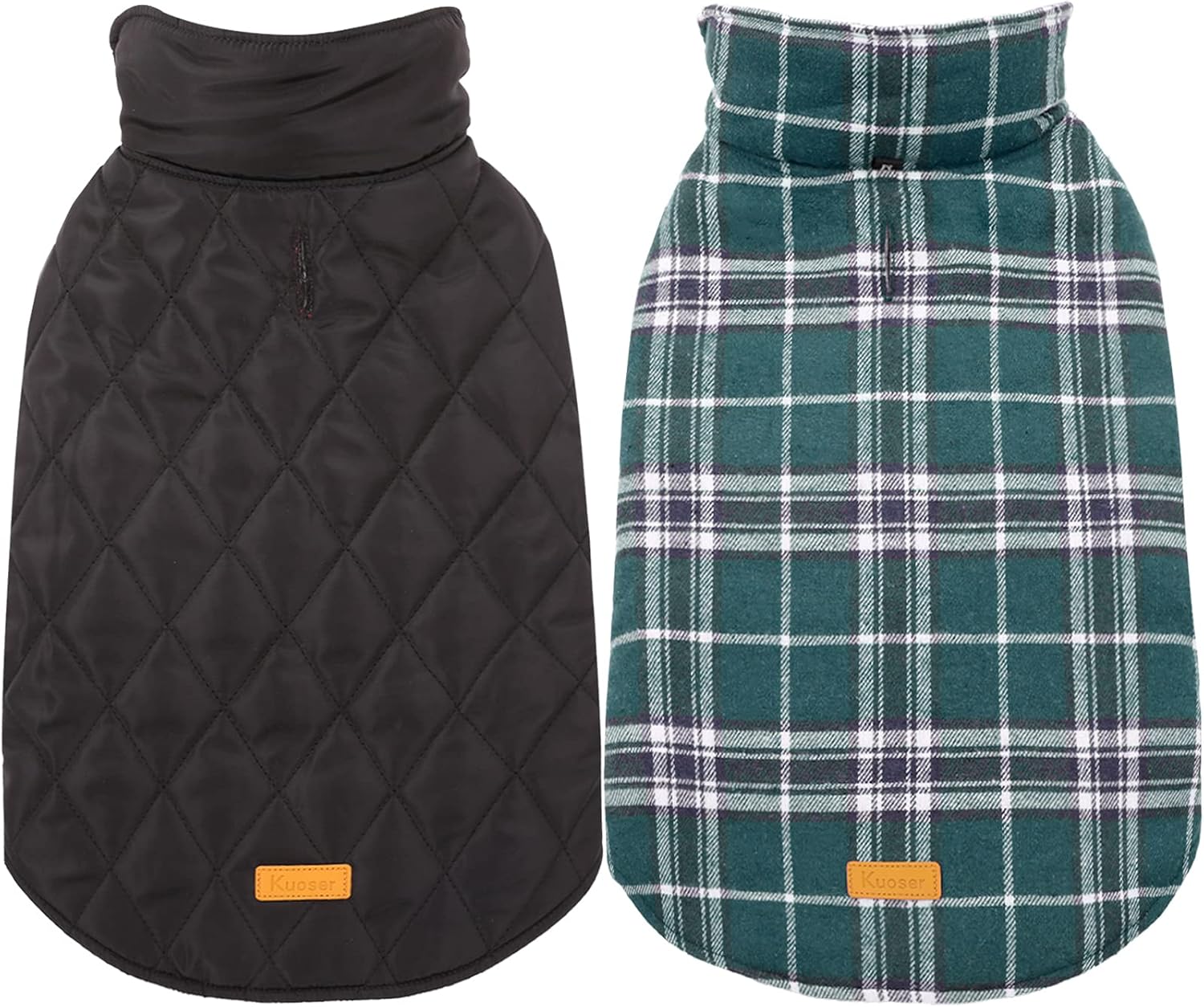
Coats make sense for single coated breeds, lean breeds, small dogs, seniors, and anyone with shaved patches from surgery or grooming. Fit matters more than thickness, the coat should cover from neck to the base of the tail without restricting shoulders, and a waterproof outer layer beats a thick cotton one in sleet. If you need a starting point, we have been satisfied with the coverage and fit of the Kuoser waterproof reversible dog coat as a budget option for small and medium dogs in the caution band. Double coated breeds generally should not wear coats indoors or on easy walks, because overheating is a real risk for them; a husky that is panting on a winter walk is not cold, it is overdressed.
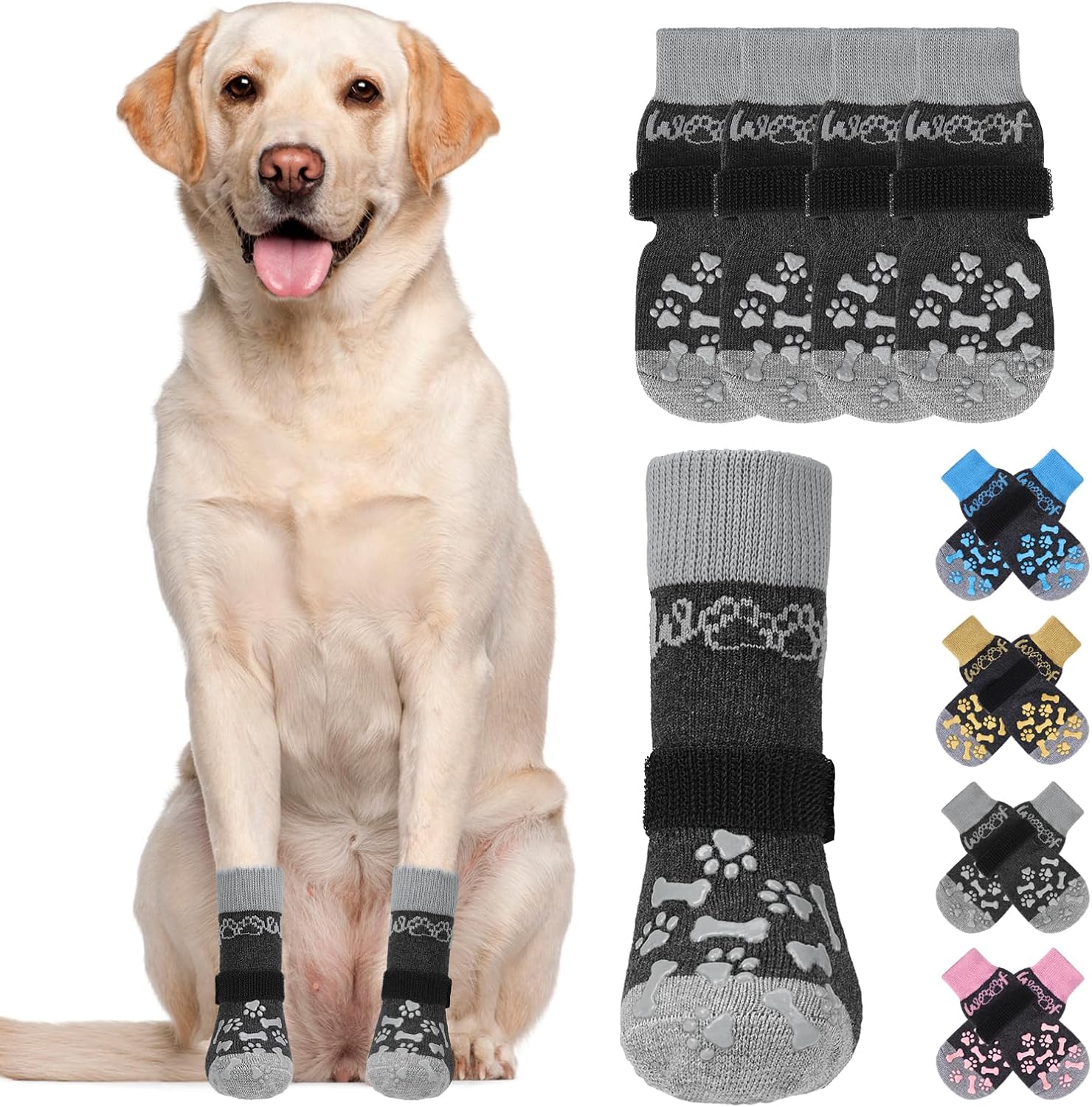
Boots solve the chemical problem more than the cold problem. A boot with a nonslip sole blocks salt contact, adds traction on packed ice, and prevents snowball compaction, which makes them worth the adjustment period for dogs walked on treated sidewalks. Accept that the first week looks comic and plan short practice sessions with treats before you rely on them; the KOOLTAIL winter dog boots with anti-slip grips are a reasonable choice for small and medium dogs, and a snug, two-strap fit is what keeps them from spinning or coming off in slush. If your dog simply refuses boots, drying and rinsing the paws after every walk becomes non-negotiable instead of optional.
Visibility is the third piece, and it earns more attention this year than most. The clocks changed this weekend, which means most owners now walk in darkness at least once a day until spring. Reflective gear does not light the path, but it makes your dog legible to drivers at the distances that matter. A Joytale reflective dog leash paired with a light colored coat or a clip-on light covers the basics, and we would rank this above nearly any comfort accessory for urban walkers.
One gear note with no product attached: identification. Winter is the worst season for a dog to slip loose, because cold, snow, and early darkness shrink the search window dramatically. A legible ID tag on the collar and current microchip registration cost nothing compared to the alternative.
When the Right Call Is No Walk
Sometimes the best decision is the walk that does not happen. We recommend skipping outdoor exercise entirely when the wind chill drops below your dog's danger band, when freezing rain or sleet is falling, when roads and lots are actively being salted or treated, or when your dog is a senior with arthritis, a puppy under six months, or recovering from illness and the temperature sits below the caution band.
Cold stiffens arthritic joints, and a senior dog that limps on warm days will often refuse movement entirely on frozen ground. Forcing it helps nobody. Puppies have neither the coat maturity nor the thermal regulation for long exposure, and a sick or recently medicated dog deserves the conservative option.
Missed walks do not have to mean missed exercise. Fifteen minutes of nose work tires most dogs like thirty minutes of walking: scatter a handful of kibble across a room and let the dog hunt it, hide treats under cups, or play the which hand game. Food puzzle toys, stair recalls for healthy adult dogs, hallway fetch with a soft ball, and short training sessions on a new trick all burn energy without a minute outdoors. Rotate two or three of these on skip days and most dogs settle fine. Potty trips still happen, of course, but keep them short, leashed, and close to the door.
The Five-Minute Routine We Recommend All Winter
Consistency beats intensity here. This is the checklist we suggest owners actually run, in order:
1. Check the forecast with wind chill, not just air temperature, and note whether precipitation is falling or expected during your window.
2. Pick the band. Decide which temperature band your dog sits in today given its coat, age, and acclimation, and set a rough time limit before you leave.
3. Decide the gear. Boots or a bare-paw plan, coat or no coat, reflective gear if it is dark. If the walk crosses salted sidewalks, the paw plan is mandatory.
4. Choose the route. Favor quieter streets with grass edges over heavily treated main roads, steer wide of parking lots and curb puddles, and shorten the loop on wind days so you are never far from home on the coldest stretch.
5. Watch the dog, not the plan. Paw lifting, hunching, tucked tail, slowing, or whining ends the walk regardless of how long you have been out. The time limit you set is a ceiling, not a quota.
6. Run the after-walk reset. Towel the legs, belly, and paws. If the route was salted, rinse the paws with lukewarm water and dry them. Check between the toes for packed snow, ice chunks, or redness, and glance at the ear tips if it was near the danger band.
None of this is complicated, and that is the point. Winter walks do not need to shrink to nothing; they need a small amount of planning that becomes automatic within a week. Put a towel and a cup by the door tonight, check the wind chill tomorrow before you clip the leash, and respond to the first paw lift instead of the fourth. Do that, and the season that injures thousands of dogs every year becomes the one where yours stays warm, dry, and boringly safe.
Related Reading
Want more on this topic? Check out our guides on best dog cooling vests summer heat protection, dog heatstroke recognition treatment emergency, how to trim dog nails step by step guide.