Rabbits Are Professional Liars
Here's the uncomfortable truth about rabbits: they've spent millions of years evolving to look perfectly healthy right up until the moment they're not. A wild bunny that shows weakness gets eaten, so your domestic rabbit runs the same software. She will eat badly for three days, sit quietly in a corner, and still greet you at the cage door looking roughly normal. Then, on day four, she's collapsed and you're driving to the emergency clinic at 11 p.m. praying the vet has seen rabbit-based GI stasis before.
One of the most common and costly mistakes rabbit owners report is assuming a slightly quiet morning is nothing. It often isn't. By evening the rabbit may not be eating, and by the next morning the visit to an exotic vet can involve a syringe of Critical Care and a bill in the hundreds of dollars. Rabbits in that situation survive because of timing. This article exists so you don't have to rely on luck.
The good news is that sick rabbits do give signals. They're just small, and you have to know where to look. Below are twelve signs experienced owners and rabbit welfare organizations recommend checking every single day, plus what each one means and how fast you need to move. If you take one thing from this piece, take this: with rabbits, waiting a day to see is usually the wrong call. According to the House Rabbit Society, a rabbit that stops eating entirely can enter life-threatening GI stasis within 12 to 24 hours, so appetite changes are never a wait-and-watch situation.
Sign 1: Not Eating, or Eating Less
This is the big one, so let's start here. A healthy rabbit eats constantly. She nibbles hay through the day, demolishes her pellets within an hour of breakfast, and treats vegetables like a personal event. If your rabbit leaves pellets untouched, ignores her favorite greens, or stops touching hay entirely, something is wrong. Not maybe wrong. Wrong.
Rabbit digestion depends on a steady inflow of fiber. When the gut stops receiving food, it slows, then stalls, then begins to fill with gas, which is excruciatingly painful for rabbits. Vets call it gastrointestinal stasis, and it's one of the top killers of pet rabbits. The timeline is brutal: a rabbit who hasn't eaten in 12 hours is an emergency, full stop. If it's been under 12 hours but she's clearly off her food, call your exotic vet the same day and ask what they want you to do. Don't wait for tomorrow.
One practical tip that rabbit husbandry guides consistently recommend: weigh your rabbit weekly on a kitchen scale that reads in grams. A rabbit who drops 5 to 10 percent of her body weight over a couple of weeks is telling you something even if her appetite looks fine. A 4-pound rabbit losing 3 ounces doesn't look different to the eye, but the scale catches it.
Sign 2: Small, Fewer, or Missing Droppings
Poop is a rabbit health report card, and unlike most report cards, you should read it daily. Healthy rabbit droppings are round, uniform, roughly pea-sized, and plentiful. A normal rabbit produces 200 to 300 of these a day. Yes, really.
What you don't want to see: droppings that are smaller than usual, misshapen, strung together with hair like a pearl necklace, shiny or soft, or dramatically reduced in number. Small, dry, sparse poops mean the gut is slowing down, which is often the first visible sign of stasis, sometimes appearing before appetite fully tanks. Poops strung together with fur mean your rabbit swallowed too much hair during grooming and you need to step up brushing and hay intake before it becomes a blockage.
A quick dropping check every morning while refreshing the litter box takes ten seconds and is, without exaggeration, the single most useful health-monitoring habit a rabbit owner can build. If you see no droppings at all for 10 to 12 hours, treat it as an emergency even if your rabbit is still nibbling.
Sign 3: The Loaf That Doesn't Move
Rabbits loaf. That's normal. What's not normal is a rabbit who stays in the same tight, hunched loaf for hours, refuses to move when you open the fridge, offer a treat, or rustle the treat bag. That pressed-down, eyes-half-open posture, with the back curved up like a drawn bow, is the classic pain position in rabbits. Vets call it a hunched stance, and experienced owners call it one of the most alarming sights a rabbit caregiver can encounter.
A hunched rabbit often also grinds her teeth loudly. There's tooth purring, which is a soft, rhythmic grinding happy rabbits do when you scratch exactly the right spot behind the ears, and then there's loud, crunchy, forceful grinding that comes with a dull expression. The second kind is pain. Learn the difference now, while your rabbit is healthy, not later when you're second-guessing yourself at midnight.
Sign 4: Pressing the Belly to the Floor or Stretching
Watch for odd postures. A rabbit with gas pain will sometimes press her belly flat against cool flooring, or repeatedly stretch out front legs and rear legs in a weird downward-dog motion. Some rabbits flip positions constantly, unable to get comfortable. If your rabbit seems restless in a way she never is, combined with any eating change, suspect gut pain and call the vet.
Sign 5: Drooling and Wet Chin
A damp chin, matted fur under the mouth, or drool staining down the chest usually points to dental disease. Rabbit teeth grow continuously, roughly 2 to 3 mm per week, and when the molars don't wear evenly they develop sharp spikes, called spurs, that cut into the tongue and cheek. Eating becomes painful, the rabbit chews on one side or drops food, saliva runs everywhere.
Dental problems don't fix themselves. A rabbit with suspected tooth spurs needs a vet to look inside the mouth, often under light sedation, and file the points down. Left alone, dental pain causes appetite loss, which causes stasis, and now you have two problems instead of one. Veterinary sources note that neglected dental disease can progress to jaw abscesses requiring surgery, and cases described in the literature often involve rabbits presented with a soaked chin only after the condition has advanced. Catching it weeks earlier is dramatically cheaper and far less painful for the rabbit.
Sign 6: Runny Eyes or a Discharge-Crusted Nose
Rabbits with chronic upper respiratory issues or dental root problems often show it first in the face. Tearful eyes, white or creamy nasal discharge, sneezing with visible snot, or front paws wet and matted from wiping the nose are all red flags. Rabbit snuffles, usually caused by Pasteurella or other bacteria, can progress to pneumonia. The paw-wiping detail matters: rabbits are tidy, so a rabbit constantly cleaning her nose will have crusty, matted forepaws even if you never catch her mid-sneeze.
According to the Merck Veterinary Manual, respiratory infections in rabbits can shift from mild to serious quickly, and discharge plus labored breathing warrants immediate veterinary attention.
Sign 7: Labored or Noisy Breathing
Healthy rabbit breathing is quiet and happens mostly through the nose. If you see fast breathing at rest, flared nostrils, an open mouth, or hear clicking, wheezing, or honking sounds, that's an emergency now, not after dinner. Open-mouth breathing in a rabbit is roughly equivalent to a dog with a blue tongue: get in the car.
Sign 8: Head Tilt, Circling, or Rolling
A head that suddenly cocks to one side, a rabbit walking in circles, or rolling uncontrollably can indicate an inner ear infection or a parasite called E. cuniculi that affects the brain and vestibular system. It looks terrifying, and it's serious, but it's also often treatable, especially when caught early. Published veterinary case reports describe rabbits with severe head tilts, even around 45 degrees, recovering to nearly straight after weeks of antibiotics and antiparasitic treatment. Waiting is what turns a treatable tilt into a permanent one.
Sign 9: Wet Rear End and Missing Poop Around It
Check under the tail. A rabbit with diarrhea, or clumped, feces-caked fur around the anus, is at real risk. True liquid diarrhea in rabbits is rare and is an emergency because it causes rapid dehydration. More common is a messy bottom from soft cecotropes, the nutrient-rich droppings rabbits normally re-ingest directly from the source. If your rabbit isn't eating her cecotropes, they smear on the floor and mat her fur, which usually means the diet is too rich in carbohydrates or pellets and needs rebalancing toward hay.
A dirty bottom also attracts flies in warmer months, and flystrike, where flies lay eggs on soiled fur and maggots hatch and eat living tissue, is one of the most horrifying things that can happen to a rabbit. It's preventable with basic hygiene and daily checks. Long-haired and overweight rabbits who can't reach their own rear are the highest-risk groups.
Sign 10: Lumps, Swellings, and Abscesses
Run your hands over your rabbit a few times a week. Rabbits develop abscesses, often from dental roots or bite wounds, that feel like firm lumps under the skin. Unlike cat and dog abscesses, rabbit abscesses have thick, caseous pus that doesn't drain easily, so they usually need surgical removal, not just antibiotics. The earlier a lump is found, the simpler the removal. You're also screening for mammary masses in females and for the subcutaneous swellings that can signal jaw problems, so this thirty-second petting session doubles as medicine.
Sign 11: Sudden Aggression or Flinching at Touch
Behavior is data. A normally sweet rabbit who starts growling, lunging, or snapping when you touch a specific area is frequently guarding a painful spot, whether that's a sore hock, a spinal issue, or an abscess. Don't write off a personality change as your rabbit suddenly becoming difficult. Pain changes temperament in prey animals the same way it does in us, they just can't tell us where it hurts.
Sign 12: Dirty Ears, Hair Loss, and Excessive Scratching
Head shaking, frequent scratching, flaky skin, bald patches, or waxy buildup in the ears can indicate ear mites, fur mites, or ringworm. Ear mites in rabbits cause thick crusting inside the ear canal that looks like coffee grounds. These are all treatable, but contagious to other pets in some cases, so isolate the affected rabbit and see a vet for a proper diagnosis before reaching for dog-and-cat products, some of which are toxic to rabbits. Never use fipronil-based sprays on a rabbit.
What a Healthy Rabbit Actually Looks Like
To spot abnormal, you need a baseline for normal, so here's the checklist recommended rabbit caregivers should run through mentally every morning: bright, wide-open eyes with no discharge; clean dry chin; quiet breathing at a resting rate of roughly 30 to 60 breaths per minute; active eating with hay consumption happening throughout the day; abundant uniform droppings; clean ears; a full but not sagging belly; clean rear; smooth fur with no bald spots; and curious behavior, including that happy little binky leap that rabbits do when life is good. Get to know your rabbit's normal energy at her normal times of day, because rabbits are crepuscular, most active at dawn and dusk, and a rabbit who's snoozy at 2 p.m. is being a rabbit, while a rabbit who's snoozy at 7 p.m. when she normally zooms may be being a sick one.
Keep a Home Health Kit Ready
Because rabbit illness moves fast, don't start shopping after things go wrong. A dedicated rabbit kit kept in a kitchen drawer is widely recommended: a digital kitchen scale for weighing, a syringe for feeding, a stethoscope, a packet of critical-care recovery food from your vet, simethicone infant gas drops, and the phone number of the nearest exotic vet plus the nearest 24-hour emergency clinic that actually sees rabbits, taped inside the lid. Half of all general practice vets rarely treat rabbits, so find your exotic vet now, while everything is fine, and ask whether they see rabbits routinely. That five-minute phone call is the best preventive medicine you'll ever get.
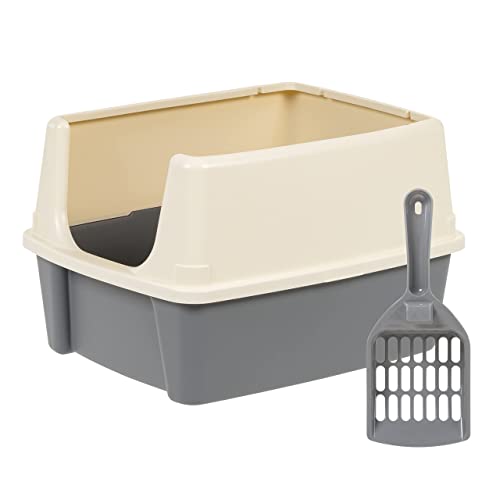
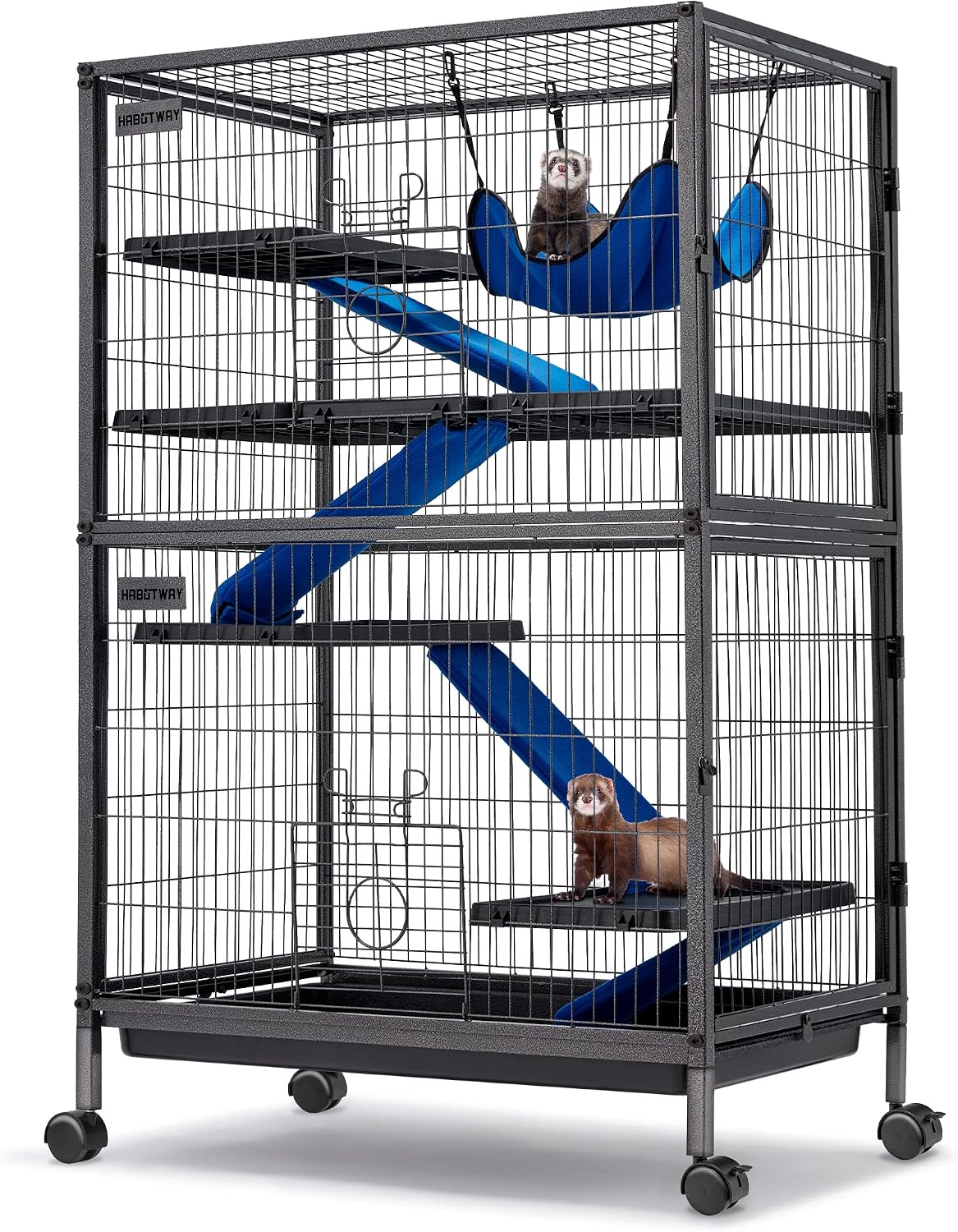
For housing and daily setup, rabbit welfare guidance is firm that a spacious enclosure does real preventive work, because rabbits confined in small hutches develop spinal problems, sore hocks, and boredom-driven behavior issues. A large multilevel cage like the Prevue Pet Products large rabbit habitat gives enough floor space for movement, and square footage is generally a better investment than gimmicks. A solid waste-management setup matters too, since a litter box that's easy to clean properly, like a high-backed corner pan such as the Ware clean corner litter pan, makes your daily dropping inspection genuinely effortless, and effortless checks are checks that actually happen.
When to Go to the Vet Immediately Versus Same-Week
Immediate, meaning tonight: not eating for 12 hours, no droppings for 12 hours, open-mouth breathing, severe diarrhea, a distended hard belly, collapse or inability to stand, a body temperature that feels cold to the touch, uncontrolled rolling, or suspected flystrike. Same day or next morning at the absolute latest: reduced appetite, small poops, hunched posture, drooling, nasal discharge, head tilt, sudden aggression, or a new lump. Within a week for a non-urgent check: mild scratching, weight trend drifting down on the scale, or cecotrope smears with an otherwise normal rabbit. When in doubt, call and describe what you're seeing. Good exotic vets would rather take ten unnecessary phone calls than one dead rabbit, and that sentiment is echoed consistently across exotic veterinary practices.
Prevention Isn't Glamorous, but It Works
Most of what sickens rabbits traces back to three things: not enough hay, not enough space, and late detection. Feed unlimited grass hay, meaning Timothy or orchard grass, as 80 to 90 percent of the diet, keep pellets modest, keep treats genuinely occasional, brush heavily during molts, check the litter box every day, and weigh weekly. That's it. That's the whole prevention program, and it would cut rabbit emergency vet visits by a huge margin if everyone did it.
Finding an Exotic Vet Before You Need One
Do this today, not during a crisis. Search the Association of Exotic Mammal Veterinarians directory, call clinics near you, and ask two questions: how many rabbits do you see per week, and do you have after-hours rabbit emergency arrangements? If the answer to the first is a shrug, keep dialing. Rabbits are physiologically strange little animals, with a digestive system closer to a horse than a dog, and a vet who doesn't know the species can accidentally make things worse, particularly with antibiotics. Several antibiotics that are routine in dogs, like certain penicillin formulations given orally, can destroy a rabbit's gut flora and kill her.
A Daily 60-Second Check
Here's the routine long-time rabbit caregivers tend to converge on. Morning: fresh water, glance at the litter box for dropping count and shape, watch her eat for a few seconds, note posture. Evening during her active window: offer a treat and confirm she takes it eagerly, run hands along her body a couple of times a week, check under the tail quickly. Weekly: weigh on the kitchen scale, log it on a sticky note on the fridge. Sixty seconds a day, five seconds a week, and it catches nearly everything early enough to matter.
Rabbits reward attention like almost no other small pet. They won't bark at the door or limp visibly the way a dog does; they'll simply be a little quieter, a little rounder in the back, a little slower to the food bowl. Your job is to notice the little. Build the daily check, keep the weight log, find the vet now, and trust your gut when something feels off, because with rabbits, the owner who calls too early is almost never the one who regrets it. According to the House Rabbit Society, early veterinary intervention dramatically improves outcomes for GI stasis and dental disease, the two conditions that take the most pet rabbits too soon. Be the owner who noticed on day one.
Related Reading
Want more on this topic? Check out our guides on best sugar glider cages accessories, best hamster bedding substrate safe burrowing odor control, how to choose first small pet buying guide.