Most Gerbil Cages Are Wrong on Day One
Disclosure: PawCritic is reader-supported. A few links below are Amazon affiliate links, and we may earn a small commission if you purchase through them at no extra cost to you.
Walk into a pet store and you'll see rows of colorful wire cages with plastic tubes, marketed directly at gerbil buyers. Here's the uncomfortable truth: almost none of them are suitable. Gerbils aren't climbers the way hamsters are, and they aren't tunnel-dwellers by preference either. They're burrowers. In the wild, Mongolian gerbils dig tunnel systems that stretch several feet underground, with separate sleeping chambers, food caches, and latrine areas. A shallow tray of bedding with a plastic wheel bolted to the side of a wire cage is the rodent equivalent of keeping a marathon runner in a walk-in closet.
This failure mode plays out the same way again and again. Someone buys a $60 gerbil cage, the gerbil chews through the plastic base within a month, develops wet tail from stress, or worse, escapes through a chewed tube connector and disappears behind the dishwasher. The fix isn't expensive, either. A proper gerbil setup usually costs less than those gimmick cages and takes an afternoon to build.
This guide walks through the whole process: tank selection, bedding depth, the wheel debate, enrichment, and the gear worth buying versus the stuff that's pure marketing. Follow it in order and you'll have a habitat your gerbils will actually use the way nature intended.
Step 1: Pick a Tank, Not a Wire Cage
Gerbils need a glass tank or a properly sealed enclosure with deep walls. Here's why: they kick bedding everywhere, they dig against corners obsessively, and they'll destroy plastic or thin wire floors given a week. A 40-gallon breeder tank (36 inches long, 18 inches wide) is the realistic minimum for a pair of gerbils. If you're keeping a trio or you want extra burrowing volume, go 50 gallons or larger.
The length matters more than height up to a point. You want floor space for a deep bedding layer plus a sand bath and wheel, and horizontal room for the gerbils to sprint. Height matters too, though, because once you pour in 10 to 12 inches of bedding, you need enough headroom left over that they can't launch themselves out the top when you open the lid. Aim for at least 18 inches of tank height minimum, with a secure mesh or screen lid. Gerbils can jump higher than people expect, and an open tank lid is an invitation for a midnight escape.
Wire cage defenders will tell you gerbils love climbing the bars. They do climb, out of boredom, and they'll also rub their noses bald on the bars and develop sore hocks from wire floors. According to the Association of Exotic Mammal Veterinarians, enclosure design should allow species-typical behaviors, and for gerbils, that behavior is digging. Glass wins. If you already own a wire cage, you can still use it temporarily, but plan the tank upgrade within your first month.
One budget note: secondhand aquariums from marketplace listings routinely sell for $30 to $60, and a 40-gallon tank needs nothing more than a tight-fitting screen lid with locking clips. Just check for chips along the top rim and re-seal nothing, since silicone repairs underwater-safe sealant can be fine for reptiles but aren't reliable around a chewing rodent. Cracked glass is a hard no.
Step 2: Go Deep With Bedding (Deeper Than You Think)
This is where most setups fail. The old standard advice was 4 to 6 inches of bedding. That's not enough. Modern gerbil husbandry, backed by welfare research on captive digging behaviors, calls for a minimum of 8 inches, with 10 to 14 inches being genuinely better. Gerbils that can construct real tunnels show dramatically less bar-biting, corner-digging, and stereotypic behavior. A deep bed isn't a luxury. It's the whole point of the enclosure.
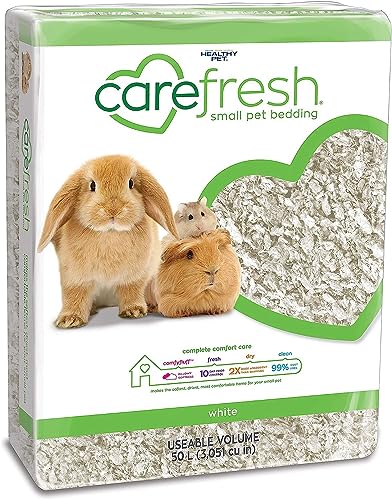
For bedding material, you have a few solid options. Paper-based bedding like Carefresh paper small pet bedding holds tunnels well, controls odor, and it's dust-free compared to cheap wood shavings. Aspen shavings are another acceptable choice, affordable and safe, though they collapse more easily in deep tunnel systems. A common keeper approach is a mix: a base of aspen for economy with a top layer of paper bedding that holds burrow structure. Hay mixed into the layers adds fiber, gives them nesting material, and stabilizes tunnels the way rebar stabilizes concrete.
What to avoid matters just as much. Never use cedar shavings, and skip pine unless it's kiln-dried, because aromatic oils cause respiratory irritation in small mammals. Never use cotton fluff nesting material either, the fluffy stuff sold near the small pet aisle. It tangles around limbs and can cause fatal intestinal blockages if eaten. Shredded plain toilet paper or torn paper towels do the same nesting job for pennies with zero risk.
How to Pack the Bedding Properly
Don't just dump bedding in loose. Loose bedding collapses the first time a gerbil digs into it, and collapsed tunnels discourage further burrowing. Pack it in layers. Pour 3 to 4 inches, press it down firmly with your hands or a flat object, then add the next layer and pack again. Slightly dampening the bedding before packing (a light mist, not soaking) helps it hold shape, but let it dry fully before adding gerbils. Finish with a loose top inch and scatter a handful of hay and shredded paper so they can customize their own interiors.
Spot-clean weekly by removing visibly soiled patches, usually near the surface where they've designated a latrine corner. Do a full bedding change only every 4 to 6 weeks. That sounds counterintuitive for an animal enclosure, but gerbils are desert animals with remarkably dry droppings and low urine output, and a complete cleanout destroys their tunnel network and scent markers, which stresses them. Replace everything too often and you'll restart their territorial marking cycle over and over.
Step 3: The Wheel, Done Right
Gerbils run, a lot, mostly at dawn and dusk. A wheel is non-negotiable, but size and material are where people trip up. You need a minimum 10-inch wheel for gerbils, and 11 to 12 inches is better. Their long tails rule out smaller wheels; anything under 9 inches forces an arched back and can cause tail injuries. The wheel must have a solid running surface. Mesh or barred wheels catch toes and tails, and gerbil tails are surprisingly delicate, they can deglove (the skin sloughs off) if snagged, which is as awful as it sounds and often means amputation.
Wooden wheels look natural and gerbils chew them to pieces eventually, which is fine, it's enrichment. Quiet-spinning plastic wheels with solid tracks last longer. Whatever you choose, mount it on top of the bedding layer or on a small platform, and expect to dig it out and re-seat it occasionally because your gerbils will undermine it. That's normal. They undermine everything.
Step 4: Sand Bath, Shelters, and Chew Supplies
Three accessories separate a good gerbil setup from a great one.
First, a sand bath. Gerbils keep their coats in desert sand, and a ceramic dish with 1 to 2 inches of chinchilla sand (not dust, sand, dust is too fine for their respiratory systems) lets them groom properly. Leave it in the tank permanently or offer it a few times a week; many gerbils will also use it as a toilet spot, which makes cleanup easy. Ceramic dishes survive chewing; plastic ones won't.
Second, hides and shelters on the surface. Even with deep tunnels below, give them a surface-level cork log, wooden bridge, or ceramic hide where they can nap in the open and observe the room. Gerbils are curious and diurnal-ish (more crepuscular), and they'll use a lookout post constantly. Cork bark is a favorite: it's chewable, climbable, and looks good. natural wooden hideouts and climbing pieces hold up for months and double as gnawing surfaces, which brings me to the third item.
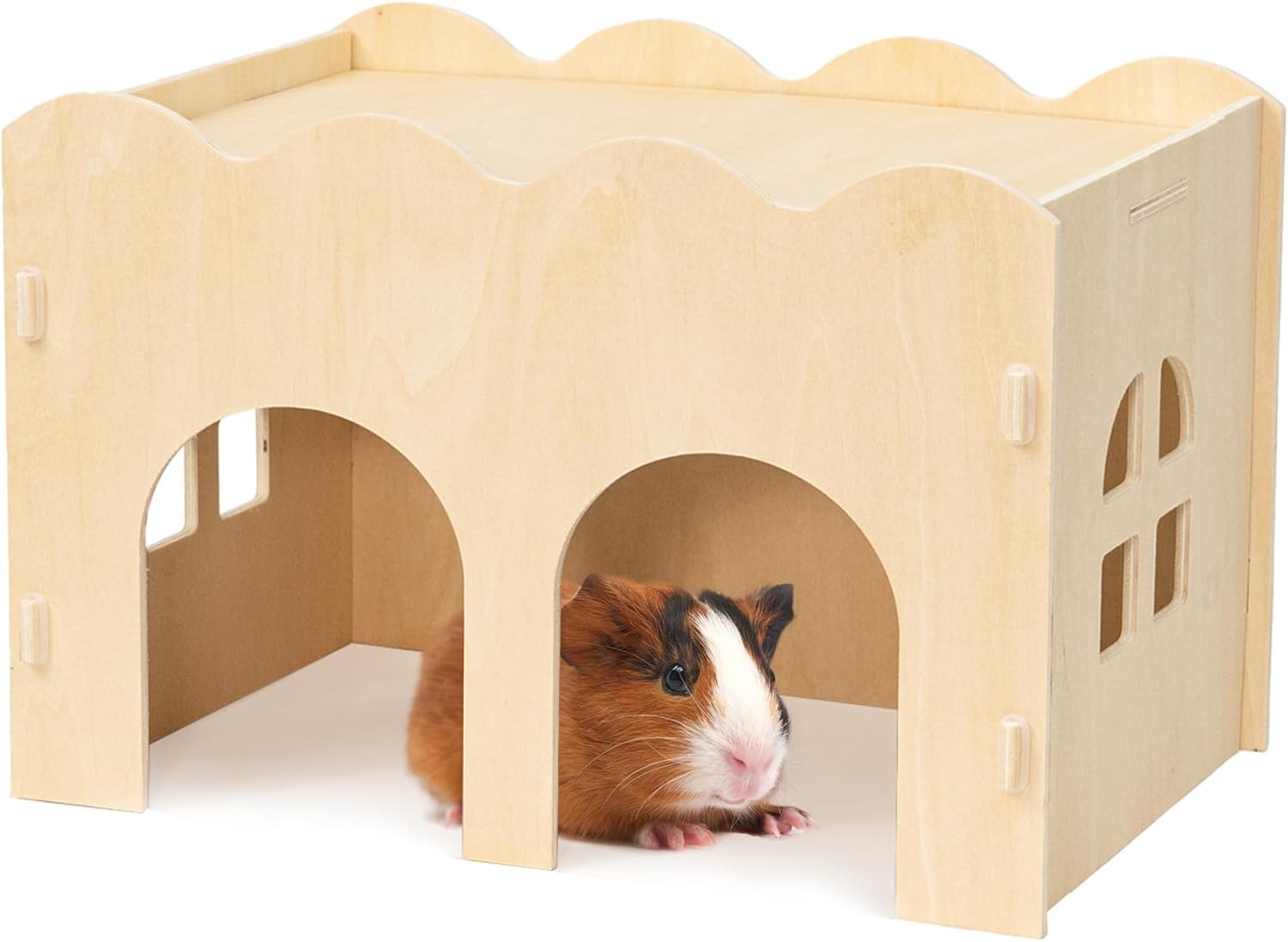
Third, constant chew material. Gerbil teeth grow continuously, roughly 3 to 4 inches per year, and they must grind them down or develop malocclusion, a painful condition where the teeth overgrow and the animal can't eat. Untreated hardwood, apple branches, willow sticks, loofah, and cardboard keep the grind going. According to the Merck Veterinary Manual, providing gnawing opportunities and digging substrate is fundamental to rodent welfare in captivity, not optional enrichment. A reliable budget option: toilet paper tubes stuffed with hay and a few pellets. Free, and gerbils rarely refuse one.
For a steady rotation of safe chew items, options like apple stick chew toys for small pets give you wooden and loofah pieces that wear down safely. Inspect wooden chews regularly and toss anything splintering.
Step 5: Water and Food Placement
Skip the water bowl. In a deep-bedding tank, a bowl gets buried within a day and you'll be rewashing soaked bedding constantly. Use a glass water bottle with a stainless steel sipper tube, hung on the outside of the tank with the nozzle through the mesh lid or a wall mount at a height where the gerbils reach it standing on their hind legs comfortably. Glass beats plastic because gerbils chew plastic bottle bases when they can reach them, and chewed plastic in the gut is an emergency.
Check the sipper tube daily by tapping it, gerbils drink little (again, desert animals, roughly 4 to 10 ml per day), so a malfunctioning ball valve can go unnoticed for days while they slowly dehydrate. A water bottle with a visible level line lets you confirm consumption at a glance.
For food, offer a staple gerbil mix or lab blocks in a heavy ceramic dish, but honestly, scatter feeding is better. Tossing pellets and seed mix into the bedding forces foraging behavior and keeps these clever rodents mentally working for meals. A common recommendation is to do both: a small dish portion plus scatter feeding the rest. Expect them to cache food in a tunnel chamber; that's normal hoarding, not overeating.
Step 6: Temperature, Location, and Tank Positioning
Gerbils are comfortable between 65 and 75 degrees Fahrenheit. Above 80 degrees, they risk heat stress, and they can't sweat or pant effectively. Below about 55, they can enter a cold-induced torpor, which is dangerous for gerbils (unlike hamsters, mild torpor isn't part of their normal biology). Keep the tank out of direct sunlight, glass magnifies heat fast, and away from drafts, radiators, and noisy appliances.
Think about placement socially too. Gerbils are prey animals, but they're also bold and inquisitive. A living room or home office where they see regular calm activity works beautifully. A kid's bedroom with the door slamming all day is rougher on them. Keep the tank elevated on a sturdy stand, off the floor, both for temperature stability and so small children and other pets aren't eye-level with a glass box full of twitching rodents.
A note on cohabitation: gerbils must live in same-sex pairs or small trios, ideally littermates. A solitary gerbil is a stressed gerbil, and introductions of strange adults usually end in serious fighting. If you're starting from scratch, adopt a bonded pair from a rescue. Plan the tank size for the group you'll actually have, not the gerbil you're bringing home today.
Common Setup Mistakes to Avoid
Shallow bedding is mistake number one, and it's been covered enough already. Number two is plastic everything: plastic hides, plastic wheels, plastic tubes. Gerbils shred plastic, and ingested fragments can obstruct the intestines. Swap in wood, cork, and ceramic wherever possible.
Number three: scented products near the tank. Scented candles, plug-in air fresheners, and aerosol sprays are hard on small mammal lungs. Keep the gerbil room fragrance-free.
Number four is the deep-clean instinct. New keepers strip the tank weekly, and the gerbils get progressively more anxious with each reset. Partial changes preserve stability. Your nose will tell you when a real cleanout is needed; a healthy gerbil tank with deep bedding genuinely doesn't smell bad between cleanings.
Number five, and this one's specific: no fabric. Fleece liners marketed for rat and rabbit cages work for those species, but gerbils will shred and eat fleece. Everything in a gerbil tank should be digestible or indestructible, nothing in between.
A Quick Word on Health Monitoring From Day One
A proper setup is your best preventive medicine, but learn the baseline now so you spot problems early. A healthy gerbil is alert, has bright eyes, a full coat with no bare patches, and a tail fully furred to the tip. Red flags include a wet ordirty rear end (possible diarrhea, which dehydrates gerbils fast), sneezing or clicking breathing, head tilt, overgrown or misaligned teeth, and sudden lethargy. Small animals hide illness until they can't, so any gerbil that's off food for even 12 hours needs an exotic vet, not a wait-and-see approach. Find an exotics vet in your area before you need one, not during the emergency.
Bare patches on the nose point to bar-rubbing or over-grooming from stress, and both trace back to enclosure inadequacy, usually shallow bedding or too-small space. Fix the habitat first. The fur usually grows back on its own.
The Build Order Recap
Here's the sequence one more time, condensed: get a 40-gallon-plus glass tank with a locking mesh lid, pack 10 to 12 inches of layered aspen and paper bedding (mist lightly, pack firmly), add a 10-to-12-inch solid-surface wheel, a ceramic sand bath dish with chinchilla sand, cork or wooden hides, a glass bottle hung outside the tank, and unlimited chew items plus a few chew-toy rotations like Lixit glass small animal water bottles for a chew-proof hydration setup. Spot clean weekly, full clean every 4 to 6 weeks, and watch the temperature stay in that 65-to-75 window.
Total realistic cost for a proper first setup: $120 to $200, with the tank being the biggest line item and often cheap secondhand. That sounds like a lot for a $15 rodent, but the gerbils live 3 to 5 years, and a habitat that lets them dig real tunnels changes everything about how they behave and how much you enjoy watching them. A pair of gerbils in deep bedding building a tunnel network you can watch through the glass is one of the best shows in small pet keeping. Give them the dirt, and they'll give you the show.
Related Reading
Want more on this topic? Check out our guides on best small pet grooming tools nail care rabbits, how to litter train rabbit step by step, best small pet hideouts cuddle cups.