Best Cat Treats 2026: How to Choose Rewards Your Cat Will Actually Benefit From
Cat treats occupy a strange place in feline nutrition. They are not complete meals, they are not regulated the way complete diets are, and yet they shape behavior, bonding, and in some cases dental health. The 2026 market offers freeze-dried raw morsels, dental chews accepted by the Veterinary Oral Health Council, lickable purees, and single-ingredient protein bites. This guide explains what actually matters when choosing among them, how to read a treat label, and how to fit treats into a cat's daily calorie budget without undermining their main diet.
One structural note before going further: treats are not a substitute for a complete and balanced diet. The AAFCO pet food standards define nutritional adequacy for complete foods, and most treat labels do not carry a complete-and-balanced statement. That is not a flaw in the treats themselves, it simply means treats should sit on top of a proper diet, not replace part of it.
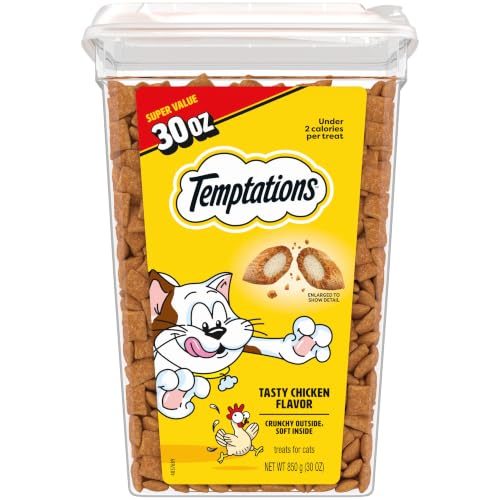
cat treats tasty rewards your cat will crave
What Makes a Cat Treat Worth Buying
Three variables separate a treat that supports a cat's health from one that simply tastes good. The first is calorie density. Cats are small animals, and a ten-pound cat needs roughly 200 to 250 calories per day depending on age and activity. A treat at 25 calories is a tenth of that budget in a single bite. The second is ingredient transparency. A short ingredient list with a named protein first is easier to evaluate than a long list of fats, flavorings, and colors. The third is texture and format, which determines whether a treat can double as a training reward, a dental tool, or a hydration aid for a cat that drinks too little.
Veterinary guidance consistently recommends that treats make up no more than about ten percent of a cat's daily calories. For an average adult cat, that works out to roughly 20 to 25 calories of treats per day. That ceiling is the single most useful number in this entire category, because it turns vague advice about moderation into something measurable on the back of a bag. Owners who keep a rough running total tend to avoid the most common mistake in treat feeding, which is gradual weight gain that is hard to notice until a cat is visibly heavier.
Dental Treats: What the Claims Actually Mean
Dental treats are the most heavily marketed segment, and also the one where claims are most checkable. The Veterinary Oral Health Council reviews products and grants a seal to those that demonstrate tartar or plaque reduction under defined protocols. A VOHC seal is a specific, verifiable claim. A bag that says 'helps clean teeth' without the seal is making a general statement that may rest on mechanical abrasion alone. Both can be useful, but they are not equivalent, and the difference matters if a cat has existing dental disease.
The trade-off with crunchy dental treats is that they work best on cats who actually chew them rather than swallowing whole, and they do nothing for the gumline where periodontal disease often starts. Veterinary dentists generally treat dental treats as an adjunct to brushing, not a replacement. The Merck Veterinary Manual cat owner reference covers periodontal disease in cats and is a useful starting point for understanding why brushing and professional cleanings remain the foundation.
Freeze-Dried and Single-Ingredient Treats
Freeze-dried treats appeal to owners who want the shortest possible ingredient list. A single-ingredient freeze-dried chicken or minnow treat contains one item, which makes it easy to rule out a suspected allergen during an elimination diet. The freeze-drying process removes moisture while leaving the protein structure largely intact, so these treats are light, shelf-stable, and high in protein by weight. They are also typically the most expensive option per ounce, and they crumble, which matters for cats who prefer a firm bite.
Raw freeze-dried products deserve a specific caution. Because they are made from raw animal protein, they carry the same handling considerations as raw meat until rehydrated or consumed. The ASPCA Animal Poison Control resource is a good reference point for owners who want to check whether a particular food or plant is safe, and general food-safety practice applies: wash hands after handling, keep the bag sealed, and do not leave portions sitting out.
Lickable and Puree Treats
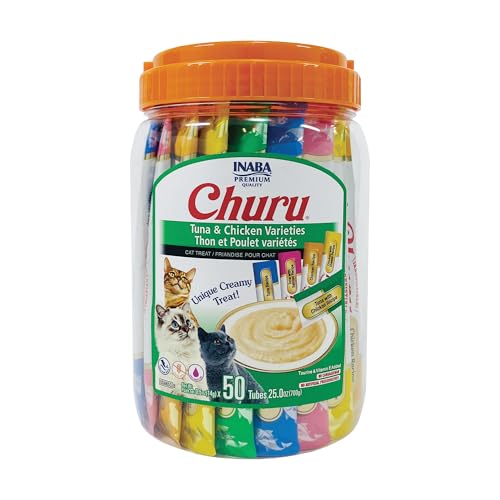
lickable purée tubes stretch treats into longer interactions
Puree treats in tubes have become common for two reasons. First, they add moisture, which is meaningful for cats that eat mostly dry food and drink sparingly. Second, the texture is easy for kittens, seniors, and cats recovering from dental work. Because the treat is delivered slowly from a tube, it also stretches a small number of calories across a longer interaction, which is useful for training and for bonding with a shy cat. The trade-offs are practical: an opened tube must be refrigerated and used within a short window, and the per-serving cost is higher than a bag of crunchy treats.
Lickable treats are also frequently used to deliver medication. A cat that will not accept a pill may accept it hidden in a strong-flavored puree. This is a legitimate use, but owners should confirm with a veterinarian that the specific medication can be given with food, since some drugs require an empty stomach.
A Concrete Example to Look At
Rather than presenting a ranked list of invented products, this section points to one widely available option so readers can see how the criteria above apply to a real listing. The specific item linked below is a single concrete example, not a crowned winner, and the criteria discussed throughout this guide are what should drive any purchase decision.
When evaluating any listing, check three things in order: the guaranteed analysis for calorie content per treat, the ingredient list for a named protein in the first position, and whether a complete-and-balanced statement is present (for treats, it usually is not, which is expected). Owner reviews are useful for palatability and texture information, since cats are famously individual about what they will eat, but reviews are not a substitute for the label. A treat that a thousand owners praise may still be wrong for a cat on a prescription diet.
Comparing Treat Formats
| Format | Typical calorie range | Best suited to | Main trade-off |
|---|---|---|---|
| Crunchy dental | 1 to 3 per piece | Cats with mild tartar, training | Little effect on gumline |
| Soft and chewy | 2 to 4 per piece | Kittens, seniors, pill hiding | Higher calorie density |
| Freeze-dried single protein | 3 to 6 per piece | Allergy trials, high-protein needs | Cost per ounce, crumbles |
| Lickable puree | 5 to 8 per tube | Hydration, bonding, medication | Refrigeration, mess |
| Whole freeze-dried fish | 2 to 5 per piece | Novel protein, omega-3s | Strong odor, price |
How Many Treats a Day Is Reasonable
The ten percent rule is the standard reference point, but it needs adjusting for life stage. A growing kitten needs more calories overall, so ten percent of a larger number is a larger treat allowance, and small soft treats are easier for kitten teeth. A senior cat may need fewer calories and may also have reduced kidney function, which makes high-moisture treats more valuable and high-sodium treats less appropriate. An overweight cat should have the treat allowance cut first, because treats are the easiest part of the diet to reduce without disrupting balanced nutrition.
A practical method is to subtract treat calories from the daily food portion rather than adding them on top. If a cat normally eats 220 calories of food and receives 20 calories of treats, the food portion drops to about 200 calories. This keeps total intake stable and prevents the slow weight gain that owners often attribute to aging rather than to treat creep.
Treats for Specific Situations
Training a Kitten
Kittens have short attention spans and small stomachs, so the ideal training treat is tiny, low in calories, and easy to break into pieces. Freeze-dried protein treats work well because a single piece can be split into three or four rewards. Soft treats work well for kittens still developing teeth. The goal during training is repetition, which means the treat must be small enough that twenty repetitions do not become a meal.
Cats With Dental Disease
A cat with diagnosed dental disease, missing teeth, or stomatitis should generally avoid hard crunchy treats. Soft treats, purees, and rehydrated freeze-dried pieces are easier to manage. Any treat that causes a cat to drop food, paw at the mouth, or eat reluctantly should be discontinued and discussed with a veterinarian.
Cats on a Prescription Diet
Cats eating a prescription diet for urinary, kidney, or gastrointestinal conditions should have any new treat cleared with the veterinarian first. Many prescription diets are formulated to control specific mineral levels, and a treat with a different mineral profile can work against that. Single-ingredient treats are often the easiest to evaluate in these cases because there are fewer variables to check.
Cats With Suspected Allergies
When a cat is suspected of having a food allergy, the standard approach is a limited-ingredient or hydrolyzed elimination diet for a set period, during which all other foods and treats are removed. That means treat selection during a trial is not a matter of preference; the treat must fit the trial or be omitted entirely. Single-ingredient freeze-dried treats are commonly used in trials for this reason, but the specific protein must be one the cat has not previously eaten.
Ingredients to Watch For
Treat labels vary widely in how much information they provide. A few categories are worth checking specifically. Artificial colors serve no nutritional purpose and are easy to avoid. Added sugars and syrups are unnecessary in a cat's diet. Propylene glycol is not permitted in cat food in the United States because of toxicity concerns, but it is worth knowing the name. High sodium levels are a concern for cats with heart or kidney conditions. And any treat containing onion or garlic powder should be avoided, as both are toxic to cats.
Protein source matters as much as protein amount. A treat listing 'meat by-products' as the first ingredient is not the same as one listing 'chicken' or 'salmon.' Named proteins are easier to trace and easier to avoid during an elimination diet. When a cat has no known sensitivities, the difference is less critical, but the label still tells you how much of the product is actual animal protein versus filler.
Storage and Freshness
Treats lose palatability as they age, and cats are more sensitive to stale food than many owners expect. Soft and semi-moist treats should be kept sealed and used within the period printed on the package after opening. Freeze-dried treats stay stable longer but absorb moisture from the air, which softens them and shortens their shelf life; keeping the bag closed and stored in a dry place preserves the crunch. Lickable tubes must be refrigerated after opening and used within the time stated on the packaging.
A cat that suddenly refuses a treat it previously accepted may be reacting to staleness rather than a change in preference. Before concluding that a cat has gone off a flavor, check the date and the seal.
Common Mistakes in Treat Feeding
- Treating without counting calories, which gradually pushes a cat into overweight territory.
- Using treats to compensate for a food a cat does not like, rather than addressing the diet itself.
- Assuming a dental treat replaces brushing. It does not.
- Introducing several new treats at once, which makes it impossible to identify the cause of a reaction.
- Leaving freeze-dried raw treats open and unsealed, which affects both safety and palatability.
- Giving human food as a treat without checking it against a toxicity list first.
Label Reading Notes for 2026
Two labeling shifts are worth knowing as you compare bags this year. First, more treat labels now print kilocalories per treat rather than per cup or per 100 grams, which finally makes it practical to count rewards into a cat's daily energy budget; if a label still gives no calorie information, treat that as a minus, not a neutral. Second, the phrase human grade carries a firmer definition than it used to: the claim covers the entire product, not one featured ingredient, and requires production in a facility operating to edible-food standards, so a free-range chicken mention on the front of the bag does not qualify by itself. Freeze-dried raw treats keep gaining shelf space, and the meaningful difference between brands is whether the batch was pathogen-tested after processing; smaller makers usually state this on the bag, larger ones publish it on their sites. As before, the ingredient list still matters less than the calorie count and how your cat's weight responds over a month of treat-fed training.
Frequently Asked Questions
How many treats can a cat have per day? The commonly cited guideline is that treats should not exceed about ten percent of daily calories. For an average adult cat eating roughly 220 calories a day, that is about 20 to 25 calories of treats. The number should be reduced for overweight or less active cats.
Do dental treats actually work? Treats carrying a Veterinary Oral Health Council seal have demonstrated tartar or plaque reduction under defined protocols. They are useful as part of a dental routine, but they do not replace brushing or professional cleanings.
Can treats be used for training? Yes, and small low-calorie treats are the right choice for it. A training session may involve ten or more rewards, so each reward needs to be small enough that the total stays within the daily treat allowance.
What treats are best for a cat with allergies? Single-ingredient treats made from a protein the cat has not previously eaten are the usual starting point, particularly during an elimination diet. Any treat used during a trial should be cleared with a veterinarian.
Are freeze-dried treats safe? Freeze-drying removes moisture while preserving nutrients, and the resulting product is shelf-stable. Because freeze-dried treats made from raw protein are raw until consumed, standard handling precautions apply: wash hands after handling, keep the bag sealed, and follow the storage instructions on the package.
Can treats help a cat drink more water? High-moisture treats such as lickable purees add water to a cat's intake, which can be helpful for cats that eat mostly dry food. They are a supplement to fresh water, not a replacement for it.
Where to Buy
As an Amazon Associate, PawCritic earns from qualifying purchases. This does not affect our reviews or recommendations.
Final Considerations
The best treat for a given cat is the one that fits three constraints at once: it stays within the daily calorie allowance, it does not conflict with any medical or dietary condition the cat has, and the cat will actually eat it. Those constraints vary enormously between cats, which is why no single product is right for every household. A kitten in training, a senior cat with kidney disease, and a cat mid-elimination-diet have almost nothing in common in terms of treat requirements.
What does transfer across all of them is a method: read the guaranteed analysis for calories, read the ingredient list for a named protein, check for a complete-and-balanced statement (usually absent on treats), and keep a rough daily total. Owners who do those four things tend to make good treat decisions without needing a ranked list, because the criteria do the work. The Cornell Feline Health Center publishes additional guidance on feline nutrition and behavior that is worth consulting when a cat's needs are unclear or when a treat-related change in appetite or weight occurs.
Treats are a small part of a cat's diet by design. Used within that role, they are a useful tool for training, bonding, medication, and hydration. Used outside it, they are one of the most common and most avoidable causes of weight gain in indoor cats.
Holiday Season Treat Notes for Late 2026
The holidays concentrate the year's worst treat decisions into a few weeks. Guests slip table scraps under the table, and cats — opportunists that they are — collect them. Most holiday cooking is unsuitable: gravies and stuffings carry onion and garlic powder, both genuinely toxic to cats; chocolate shows up in baking and wrapped gifts; cooked bones splinter; and rich, fatty scraps trigger vomiting and, in bad cases, pancreatitis. Raw dough and anything containing alcohol belong in the same category. The practical fix is not vigilance over every plate but a stated rule for visitors, plus a jar of the cat's own treats left at the counter so willing volunteers have a safe option.
One December-specific hazard is not food at all: lilies. Easter lilies, stargazer lilies, and several other common bouquet varieties cause acute kidney failure in cats, and a small amount of pollen on a paw is enough. They arrive in holiday arrangements every year, so it is worth telling anyone who brings flowers what to leave out.
Keep the regular treat quota steady even as routines shift. Dental treats count toward the daily calorie budget like anything else, and our cat dental care guide explains where they fit in a real dental routine. Purée tubes, which double as food toppers — see our toppers and mixers guide — are useful during busy weeks because a single tube stretches into minutes of interaction. If you are gifting a large tub of treats or stocking up on sale, scan recent recall alerts first, since treat recalls cluster around high-volume production runs. And because winter air dries everything out, resealable tubs and jars beat open bags: stale treats lose aroma first, and a treat a cat can barely smell is a treat it will ignore.
Related Reading
premium cat food and complete nutrition, catnip toys and how cats respond to them, and automatic feeders for scheduled meals.