Best Cat Food 2026: A Research-Based Buying Guide for Premium Feline Nutrition
Source note: The American Association of Feline Practitioners recommends annual veterinary wellness exams for all adult cats and semi-annual exams for cats 11 years and older, so that age-related conditions are caught early. Diet choices should be discussed with a veterinarian who knows your cat's history.
As an Amazon Associate, PawCritic earns from qualifying purchases. This does not affect our reviews or recommendations. PawCritic does not perform hands-on product testing; every claim below is drawn from published veterinary guidance, manufacturer specifications, or verified owner reports.
Why Cat Food Deserves More Scrutiny Than Most Purchases
Cats are obligate carnivores. Their bodies are built to extract nutrients from animal tissue, and they have limited ability to synthesize certain amino acids on their own. Taurine is the classic example: cats cannot produce enough of it internally, and a diet deficient in taurine can lead to dilated cardiomyopathy and retinal degeneration. Arachidonic acid and preformed vitamin A are two more nutrients that cats must obtain from animal sources rather than manufacturing from plant precursors. This is why a bowl of leftover vegetables or a dog's kibble is not a substitute, no matter how balanced it looks on paper.
That biological reality shapes everything about how cat food should be evaluated. The question is not simply whether a bag lists chicken first, but whether the finished product meets a recognized nutrient profile for the cat's life stage, whether the manufacturer can demonstrate consistency across batches, and whether the food is appropriate for the individual cat's age, weight, activity level, and any diagnosed medical conditions. The AAFCO pet food standards exist precisely to give manufacturers a target nutrient profile to formulate against, and a label statement saying the food is complete and balanced for a specific life stage is a meaningful starting point.
Owners often ask whether premium food is worth the price. The honest answer is that price and quality correlate loosely, not tightly. Some expensive foods are expensive because of marketing, small-batch production, or exotic ingredients that offer no proven advantage. Some moderately priced foods are formulated to meet the same nutrient profiles and are produced in facilities with strong quality control. The useful exercise is to compare what the label actually guarantees, what the manufacturer publishes about sourcing and testing, and how the cat responds over weeks and months.
What Complete and Balanced Actually Means
A cat food label that says complete and balanced is making a specific regulatory claim. It means the product meets a nutrient profile established by AAFCO for either growth and reproduction, adult maintenance, or all life stages. Foods labeled for all life stages must meet the stricter growth profile, which is why they are often suitable for kittens and adults alike. Foods labeled for adult maintenance only are not appropriate for growing kittens or pregnant and nursing queens.
The phrase complete and balanced should be paired with a life-stage statement and, ideally, a statement about how the claim was substantiated. Some manufacturers formulate to meet the profile by calculation alone. Others conduct feeding trials following AAFCO protocols. Neither approach is automatically superior, but feeding-trial substantiation provides direct evidence that cats can thrive on the diet as formulated and manufactured. When a label is vague about life stage or omits the nutritional adequacy statement entirely, that is a reason to look elsewhere.
Guaranteed analysis numbers on the label are minimums and maximums, not exact values. Protein, fat, fiber, and moisture are listed as minimums or maximums, which means the actual levels can be higher or lower within a range. Comparing two foods by guaranteed analysis alone can be misleading, particularly when moisture content differs. Dry food typically contains around 10 percent moisture, while canned food can be 75 percent moisture or more. To compare protein on a dry-matter basis, the moisture percentage must be subtracted from 100 first, then the protein percentage divided by that dry-matter figure. A canned food listing 10 percent protein and 78 percent moisture actually delivers roughly 45 percent protein on a dry-matter basis, which is far higher than it appears at first glance.
Dry, Wet, and Raw: Real Trade-Offs
Dry food is convenient, shelf-stable, and generally less expensive per calorie. Its abrasive texture is sometimes claimed to clean teeth, but the evidence for that effect is weak, and many dry kibbles are high in carbohydrate, which is not a natural macronutrient for cats. Dry food also has a very low moisture content, and cats have a naturally low thirst drive. Cats fed exclusively dry food take in less water overall, which is a consideration for any cat with a history of urinary crystals, bladder stones, or chronic kidney disease.
Wet food delivers moisture along with protein and fat, and many owners report that cats eat it more enthusiastically. The trade-offs are cost, storage, and waste. An opened can must be refrigerated and used within a day or two, and larger cats may need multiple cans per day to meet their calorie needs. Wet food also tends to be messier and produces more packaging waste. For cats with dental disease, wet food may be easier to eat, though it does not replace veterinary dental care.
Raw diets, whether commercial or home-prepared, carry genuine safety considerations. The Merck Veterinary Manual cat owner reference notes that raw meat and eggs can carry Salmonella, Campylobacter, and other pathogens that pose a risk to both the cat and the humans handling the food. Home-prepared raw diets are also notoriously difficult to balance, and published analyses have found many recipes deficient in calcium, taurine, or vitamin E. A cat on a raw diet should be under veterinary supervision with regular monitoring.
Reading a Cat Food Label Like a Clinician
The ingredient list is sorted by weight before processing, which means fresh chicken listed first may contribute less actual protein than a named meat meal listed third, because fresh meat is roughly 70 percent water. Named meals such as chicken meal or salmon meal are rendered ingredients with most of the water removed, so they deliver more protein per unit of weight. This is not a flaw; it is simply how the labeling rules work, and it is why ingredient order alone is a poor proxy for nutritional quality.
Look for a named animal protein source in the first few ingredients, a named fat source such as chicken fat or salmon oil, and a recognizable vitamin and mineral premix. Ingredients like corn, wheat, and soy are not inherently dangerous, but they are common protein sources in lower-cost foods and can be problematic for cats with confirmed sensitivities. Byproduct meals are also not inherently inferior; they can include organ meats that are nutrient-dense. The more useful question is whether the manufacturer employs a board-certified veterinary nutritionist and whether the company publishes nutritional information beyond the minimum required by law.
Preservatives, colors, and flavors deserve a mention. Natural preservatives such as mixed tocopherols and citric acid are common in premium foods, while synthetic preservatives like BHA, BHT, and ethoxyquin appear in some lower-cost products. The safety debate around these compounds is ongoing, and regulatory limits exist. Owners who prefer to avoid them can generally find suitable alternatives, though doing so usually raises the price.
How Much to Feed and How Often
Feeding guidelines on the package are starting points, not prescriptions. A typical adult cat needs roughly 20 to 30 calories per pound of body weight per day, but that figure varies widely with age, activity, neuter status, and body condition. Indoor cats that have been spayed or neutered often need closer to the lower end, while an intact, highly active young cat may need more. The most reliable approach is to feed a measured amount, weigh the cat periodically, and adjust based on body condition score rather than the number on the bag.
Body condition scoring is a practical skill. A cat at ideal weight has a visible waist when viewed from above and ribs that are easily felt under a thin layer of fat. A cat whose ribs require firm pressure to feel is carrying excess weight, and a cat whose ribs and spine are prominent is underweight. Obesity is the most common nutritional disorder in pet cats and is linked to diabetes, arthritis, and shortened lifespan, so portion control matters more than most owners expect.
Meal feeding is generally preferable to free-feeding for cats that tend to overeat, and it allows owners to notice changes in appetite that can signal illness. Multiple small meals per day suit the cat's natural hunting pattern. If a cat suddenly refuses food for more than 24 hours, that is a veterinary concern, particularly in overweight cats, because hepatic lipidosis can develop quickly when a cat stops eating.
Life Stage and Special Needs
Kittens have different needs from adults. They require more calories per pound, more protein, and specific ratios of calcium to phosphorus for skeletal development. Foods labeled for growth or all life stages are appropriate. Senior cats, generally those over 10 or 11 years old, often benefit from higher protein to preserve muscle mass, highly digestible ingredients, and in some cases restricted phosphorus if kidney function is declining. A veterinarian can recommend a therapeutic diet if a specific condition such as chronic kidney disease, diabetes, or food allergy has been diagnosed.
Food allergies in cats are less common than owners assume, but when they occur, the most frequent triggers are animal proteins such as chicken, beef, and fish rather than grains. A true elimination diet trial, using a hydrolyzed or novel-protein food, is the standard approach and should be done with veterinary guidance. Switching foods randomly to address suspected allergies often produces inconclusive results and unnecessary expense.
Urinary health deserves specific attention. Struvite and calcium oxalate crystals and stones can form in the bladder, and diet plays a role in both prevention and management. Increased water intake, whether through wet food or added water, helps dilute urine. Prescription urinary diets alter mineral content and urine pH, and they should not be used without a diagnosis because they can be inappropriate for cats with other conditions.
Safety, Recalls, and Storage
Pet food recalls happen for a range of reasons, including Salmonella contamination, foreign material, and nutrient imbalances such as excessive vitamin D. Owners can monitor recalls through the FDA and through manufacturer websites. The ASPCA Animal Poison Control is a useful resource when a cat has ingested something potentially toxic, including human foods like onion, garlic, chocolate, and xylitol, all of which are dangerous to cats.
Storage matters more than many owners realize. Dry food should be kept in its original bag inside an airtight container, because the bag itself provides a barrier against oxygen and light that a plastic bin does not. Food should be used within about a month of opening for best freshness, and kibble that smells stale or has changed color should be discarded. Canned food should be refrigerated after opening and used within a day or two. Bowls should be washed daily, since leftover food residue supports bacterial growth.
A Concrete Example to Compare Against
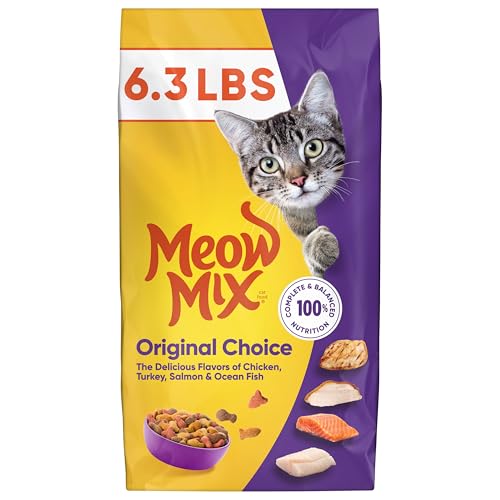
Because PawCritic does not run its own feeding trials, the most useful thing this guide can do is point readers to a specific product listing so they can apply the criteria above to a real label. The listing below is one example in the dry cat food category; it is not a ranking, and it is not a substitute for reading the actual guaranteed analysis and nutritional adequacy statement on the package. Readers can view this option on Amazon and then check the manufacturer's website for the full nutrient profile, calorie content, and life-stage statement.
Comparison Table: What to Check Before Buying
| Checkpoint | What Good Looks Like | Why It Matters |
|---|---|---|
| Nutritional adequacy statement | Complete and balanced for a named life stage | Confirms the food meets a recognized nutrient profile |
| Protein source | Named animal protein or meal in first ingredients | Cats need animal-based amino acids including taurine |
| Moisture content | Higher moisture for cats with urinary or kidney concerns | Cats have a low thirst drive and benefit from dietary water |
| Calorie content | Published kcal per cup or can | Needed to calculate portions and manage weight |
| Manufacturer transparency | Published sourcing, testing, and recall history | Signals accountability and quality control |
| Price per calorie | Compared across bag sizes and formats | Premium pricing does not always mean better nutrition |
Common Mistakes Owners Make
The first mistake is switching foods abruptly. A sudden change can cause vomiting and diarrhea, so a transition over seven to ten days, mixing increasing proportions of the new food with the old, is standard practice. The second is overfeeding, often because owners use a coffee mug or a rough scoop rather than a kitchen scale. Weighing food in grams removes guesswork and makes portion adjustments meaningful.
The third mistake is assuming that a grain-free food is automatically better. Grain-free diets have been investigated in connection with dilated cardiomyopathy in dogs, and while the link in cats is less clear, there is no nutritional requirement for a cat to avoid grains unless a specific allergy has been diagnosed. The fourth is treating human food as a regular supplement. Small amounts of plain cooked meat are generally fine, but onion, garlic, chocolate, alcohol, grapes, and xylitol are toxic, and dairy causes digestive upset in many adult cats because they are lactose intolerant.
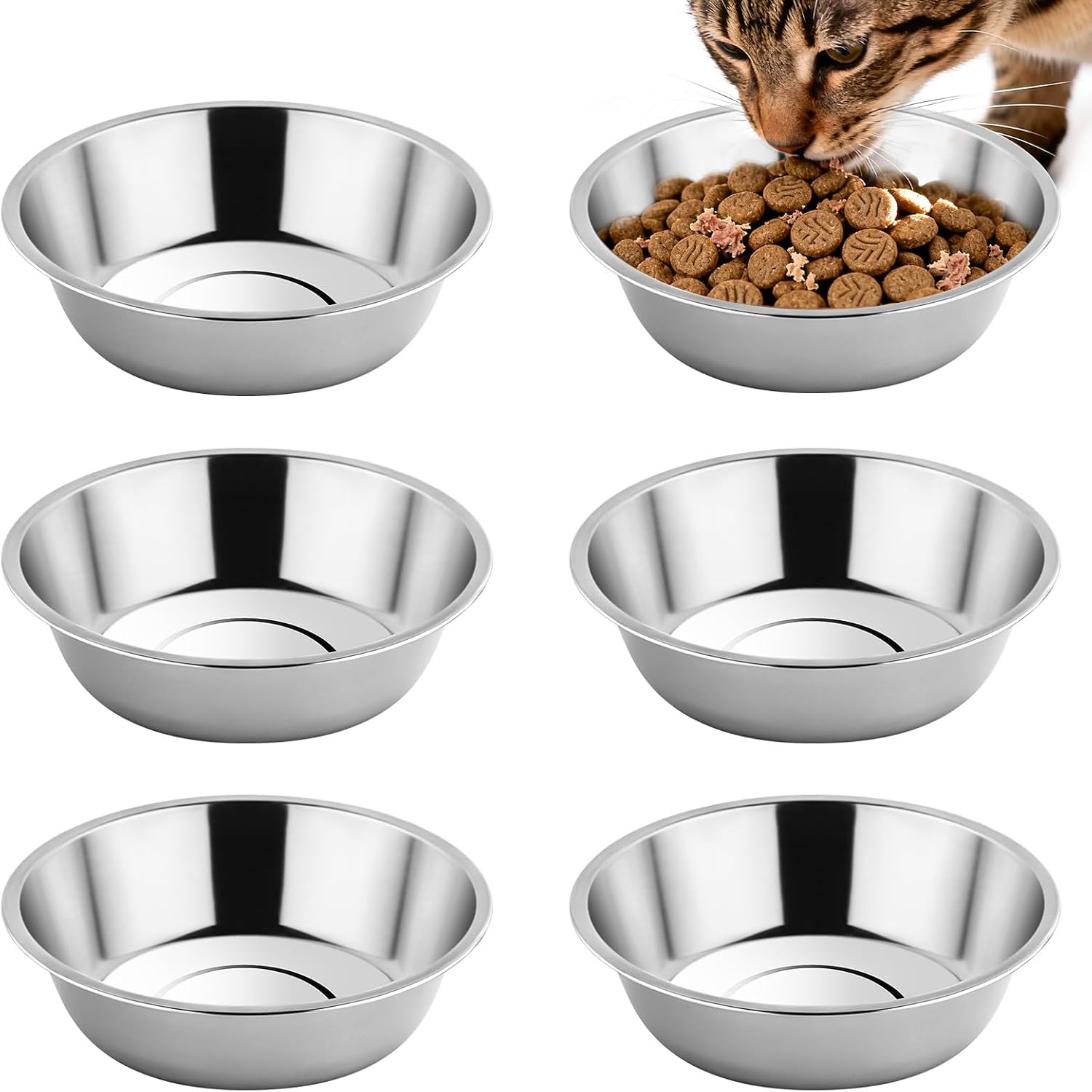
A fifth mistake is ignoring water intake. Cats evolved in arid environments and concentrate their urine efficiently, which is part of why urinary and kidney issues are common. Adding water to wet food, offering a running water source, and using wide, shallow bowls can all encourage drinking. Some cats are sensitive to the taste of tap water, and filtered water may increase intake.
What Has Changed for 2026: Fresh Formats and Label Scrutiny
Fresh and refrigerated cat food lines have kept expanding, and they now occupy real shelf space in mainstream retailers rather than only subscription channels. The evaluation framework for them is the same as for any other format: the nutritional adequacy statement, the manufacturer's quality control disclosures, and the calorie content matter more than the word "fresh" or "human-grade" on the package. Those terms describe ingredient handling, not a proven health advantage, and a fresh diet that lacks a complete-and-balanced statement for a named life stage is a worse starting point than a canned food that carries one. Practical handling also matters: fresh formats need strict refrigeration, short serving windows, and the same daily bowl hygiene as wet food.
Calorie statements have become more consistent across the category, with kcal per cup or per can printed on most major lines. That makes the gram-scale approach described above easier to apply than it was a few years ago, because a portion can be calculated and weighed rather than estimated with a scoop. Owners transitioning between formats should recalculate rather than assume, since a cup of one food can carry very different calories from a cup of another.
On the research side, the diet-associated dilated cardiomyopathy question that reshaped the grain-free conversation in dogs remains just that: a dog-focused question with no established causal link, and no nutritional reason for a cat to avoid grains unless a specific allergy has been diagnosed. Prescription and therapeutic diets have also become easier to obtain through telehealth channels, but the principle is unchanged: a therapeutic diet is a treatment with a diagnosis behind it, not a premium tier, and it needs veterinary monitoring like any other treatment.
One AAFCO-related habit worth building in 2026: read the nutritional adequacy statement every time you change foods, including within the same brand. Formulations get revised, and a food that was complete and balanced for all life stages in an earlier bag may carry an adult-maintenance-only statement after a reformulation. The statement on the current bag is the only one that counts.
Frequently Asked Questions
How do I know if a food is complete and balanced?
Look for a nutritional adequacy statement on the label that names a life stage, such as 'complete and balanced for adult maintenance' or 'for all life stages.' This statement reflects formulation to an AAFCO nutrient profile or successful feeding trials. If the statement is missing or vague, treat the product with caution.
Is wet food better than dry food?
Neither format is universally superior. Wet food provides more moisture, which supports urinary and kidney health, while dry food is more convenient and less expensive. Many owners feed a combination. The best choice depends on the individual cat's health, preferences, and the owner's budget and routine.
How often should I change my cat's food?
There is no need to rotate foods for its own sake. Change when there is a reason, such as a life-stage transition, a diagnosed condition, or a confirmed intolerance. Any change should be made gradually over seven to ten days and discussed with a veterinarian if the cat has an ongoing medical issue.
Are expensive cat foods worth the cost?
Sometimes. Higher price can reflect better sourcing, feeding trials, or veterinary nutritionist involvement, but it can also reflect marketing. The label, the manufacturer's transparency, and the cat's response over time are better guides than price alone.
Can I feed my cat dog food?
No, not as a regular diet. Dog food is not formulated to meet a cat's requirements for taurine, arachidonic acid, vitamin A, and other nutrients. Occasional accidental ingestion is unlikely to cause harm, but chronic feeding can lead to serious deficiencies.
What should I do if my cat stops eating?
Contact a veterinarian if a cat refuses food for more than 24 hours. Cats, especially overweight ones, can develop hepatic lipidosis after even a short period of anorexia. This is a medical emergency, not a behavior to wait out.
Where to Buy
Readers who want to examine a specific dry cat food listing can check the current price on Amazon. Use the label-reading criteria below, and confirm the nutritional adequacy statement and calorie content before committing to a full bag. For cats with diagnosed conditions, a veterinarian's recommendation should take priority over any general buying guide.
As an Amazon Associate, PawCritic earns from qualifying purchases. This does not affect our reviews or recommendations.
Final Thoughts
The best cat food for a given household is the one that meets a recognized nutrient profile for the cat's life stage, fits the owner's budget and routine, and keeps the cat at a healthy body condition over time. Premium pricing is not a guarantee of quality, and neither is a long ingredient list. What matters is the nutritional adequacy statement, the named protein sources, the calorie content, and the manufacturer's willingness to publish real information about sourcing and testing. Owners who read labels carefully and consult a veterinarian when something changes will make better decisions than any ranking list can make for them. For a starting point, view this option on Amazon and compare it against the criteria above.
Related reading: Cat Trees, Cat Food for Kittens, cat food toppers and meal mixers, Cat Food, Cat Food Bowls, Slow Feeders and Elevated Stands, Cat Carriers and Travel Backpacks, Cat Food for Indoor Cats, Cat Food Recall Alerts: What to Do When Your Brand Gets Pulled, 15 Cat Myths Debunked: What is True and What is Total Nonsense, Cat Outdoor Enclosures, Catios and Cat Tents, Cat Window Perches and Wall Furniture and Cat Interactive Toys and Puzzle Feeders.