Disclosure: PawCritic is reader-supported. A few links below are Amazon affiliate links, and we may earn a small commission if you purchase through them at no extra cost to you.
Why Enrichment Is a Need, Not a Nice-to-Have
Hamsters run up to 9 kilometers a night on a wheel. Gerbils dig tunnel systems that would stretch several meters if laid end to end. Rabbits and guinea pigs evolved to spend hours each day foraging for grass. Pet versions of these animals still carry all of that drive, and a cage that offers food in a bowl and nothing else produces predictable results: bar chewing, cage aggression, overgrooming, lethargy, and weight gain. The ASPCA pet care library treats environmental enrichment as a baseline welfare requirement for small mammals, not an optional extra. Toys are cheap relative to the behavior problems they prevent.
This guide organizes small pet enrichment by behavior type rather than by species, because the categories overlap far more than pet store shelving suggests. It covers what to buy in 2026, what to skip, and the safety checks that matter more than any specific product. Species-specific detail lives in our companion guides, but the core principle holds across hamsters, gerbils, rabbits, guinea pigs, chinchillas, and hedgehogs: an animal that cannot perform its natural behaviors will find a substitute, and the substitute is usually destructive.
Enrichment by Behavior: What Each Toy Is Actually For
For Chewing: Wear Down Teeth That Never Stop Growing
Rabbit, guinea pig, hamster, gerbil, and chinchilla teeth grow continuously throughout life. Without abrasion, molars overgrow and cause drooling, weight loss, and veterinary emergencies. The Merck Veterinary Manual section on exotic and laboratory animals documents dental disease as one of the most common preventable conditions in small herbivores. Chew items are therefore medical equipment that happens to be fun:
- Willow balls and rings: The safest default. Edible, cheap, and instantly destructible in the best way.
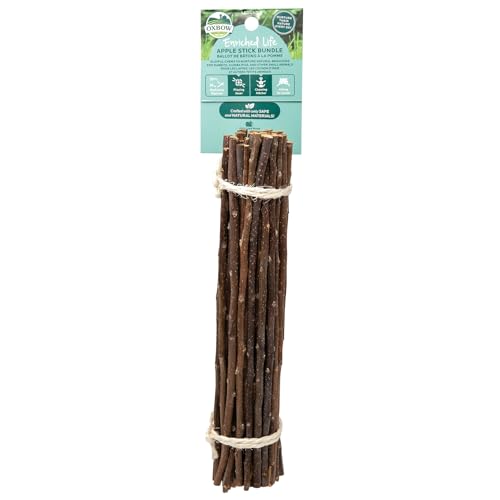
- Apple and pear sticks: Harder wood for serious chewers. Confirm they are sold for pet use -- untreated garden branches carry pesticide risk.
- Loofah and seagrass toys: Texture variety that keeps interest longer than a single material.
- Pumice and mineral stones: Fine in moderation, but edible chews do the real dental work.
Rotate rather than pile: three chew items swapped weekly beat a cage floor buried in twelve, both for interest and for hygiene. A chew item that sits untouched for two weeks has stopped working as enrichment and started working as furniture.
For Foraging: Make Food Cost Effort
Scatter feeding is the highest-value, zero-cost enrichment available. Instead of a bowl, distribute the daily pellet ration through bedding, hay, and puzzle toys. The behavioral shift is immediate and visible: animals that ignored their cage start working it. Products that extend this:
- Hay-based puzzle feeders: Cardboard and woven grass designs where pellets hide inside edible containers.
- Treat balls: Rollable balls that dispense kibble as they move. Ideal for hamsters and gerbils under supervision.
- Forage mats: Fleece strips to hide food in. Best for fleece-lined cages; wash alongside the liner.
One caution from the veterinary side: puzzle feeders must release food reliably. A hamster that cannot extract the reward becomes frustrated, not enriched. Test every puzzle yourself before the animal does, and check that the openings are large enough for the species in question -- a treat ball sized for a rat will simply trap a dwarf hamster's food.
For Digging: The Behavior Cages Usually Erase
Gerbils and hamsters need substrate depth, and the honest fix is not a toy at all -- it is 10 or more inches of bedding in a tank. Where depth is impossible, a deep digging box (a box of coconut fiber or paper bedding placed inside the cage) gives a real substitute. Rabbits and guinea pigs, who dig less instinctively, still enjoy a shallow tray of shredded paper to root through, especially with a few pellets buried in it. Digging is also thermoregulatory for some species, so a digging box doubles as a comfort resource in warm rooms.
For Running and Climbing: Wheels, Tunnels, and Levels
- Solid-surface wheels: Non-negotiable for hamsters (11+ inches for Syrians) and hedgehogs (12 inches). Wire wheels cause foot injuries and are never acceptable.
- Cork tubes and willow tunnels: Tunnels that double as chew items, the best value category in small pet products.
- Wooden platforms and ramps: Levels matter for rabbits and guinea pigs; a ramp to a platform effectively doubles cage territory.
- Cardboard boxes and tubes: Free, replaceable, and consistently preferred by animals over almost anything you pay for. Cut extra doors so there is always a second exit -- single-exit hides create cornering stress.
Top Toy Picks for 2026
The four options below represent distinct categories rather than four versions of the same thing. Each is described by the category of product the link points to, and each has a clear trade-off worth understanding before purchase.
Oxbow Enriched Life Line -- Best Overall Quality
Price: $5-15 per item | Rating: 4.7/5
Oxbow's enrichment line earns its reputation the same way their food does: consistent materials, no dyes or glues that raise safety questions, and designs built around actual species behavior. The hay-based puzzle toys and woven grass mats are the standouts, and everything is safe to ingest, which matters most for guinea pigs and rabbits who demolish toys as they play. Individual pieces cost more than bulk-bin alternatives, but the failure rate -- toys ignored or torn into unusable shreds in a day -- is far lower. The trade-off is price per item; owners who rotate heavily may find a bundle of willow cheaper for the same weekly novelty.
Kaytee Silent Spinner Wheel -- Best for Hamsters and Hedgehogs
Price: $12-30 by size | Rating: 4.5/5
The solid-surface, bearing-mounted wheel remains the reference design for nocturnal runners. Size up: Syrian hamsters need 11 to 12 inches, dwarfs 8 inches minimum, hedgehogs 12 inches with a solid running track. The silent design holds up to nightly marathon sessions, and the running surface cleans easily with a damp cloth. Cheap wheels squeak within weeks and wire versions cause real injuries, so this is the one toy category where the cheapest option is actively harmful. The trade-off is footprint -- a properly sized wheel takes up serious cage real estate, and a tank that cannot fit one is a tank that is too small.
Niteangel Natural Wooden Play Set -- Best for Cage Terrariums
Price: $20-35 per set | Rating: 4.6/5
Niteangel's wooden bridge, platform, and seesaw sets suit hamster tanks and gerbil enclosures where you are building terrain rather than decorating a wire cage. The wood is pet-safe unfinished pine and birch, the pieces connect into layouts you can rearrange monthly, and heavy chewing turns them into slow-release chew toys. For anyone setting up a tank-style habitat, one of these sets plus deep bedding is most of the build. The trade-off is maintenance: unfinished wood absorbs urine and needs spot cleaning or eventual replacement, unlike plastic hides that wipe clean.
Willow Chew Ball and Branch Bundle -- Best Budget Multipack
Price: $8-12 | Rating: 4.4/5
The simplest product on the list is also the one that gets used up fastest, which is the point. Willow is edible, abrasive on teeth, and cheap enough to replace monthly without thinking about it. Buy the largest bundle on offer and keep half in reserve -- every owner of rabbits or guinea pigs eventually learns that an empty chew supply becomes a baseboard supply. The trade-off is that willow provides no hiding or foraging value on its own; it works as one layer of a rotation, not as a complete enrichment plan.
Comparison Table
| Product | Behavior Served | Best Species |
|---|---|---|
| Oxbow Enriched Life line | Foraging and chewing | Rabbits, guinea pigs, chinchillas |
| Kaytee Silent Spinner | Running | Hamsters, hedgehogs, mice |
| Niteangel wooden play set | Climbing and terrain | Hamsters, gerbils |
| Willow ball and branch bundle | Chewing | All rodents and rabbits |
Safety Rules That Outrank Every Review
- Inspect weekly for wear. Loose parts, sharp edges, and strings that can wrap around limbs or teeth are the recurring hazards. Retire anything frayed, cracked, or stripped to fibers.
- No plastic as a chew item. Plastic toys are fine for rolling and pushing; ingested plastic is not. If a chew toy is plastic, it is mislabeled for your species.
- Size for the animal. Anything a dwarf hamster can fit its mouth around can become an impaction risk. When in doubt, go bigger and simpler.
- Scented products are a hard no. Dyes and perfumes in cheap imported toys have no business in a cage where the occupant will chew everything. Wood should smell like wood.
- Rotate, do not accumulate. Four to six items in the cage, a swap every week. Novelty is the active ingredient in enrichment, and a full cage is a dirty cage.
Toxicology is the other safety layer owners often miss. The ASPCA Animal Poison Control maintains species-specific guidance on plants, woods, and household materials, and it is worth checking before introducing any natural branch or plant material that was not explicitly sold for pet use. A willow branch from a pet supplier and a willow branch from a garden center are not the same product.
Sizing, Materials, and Species Considerations
Wheel diameter is the most common sizing error in small pet keeping. A wheel that curves the animal's spine during running causes chronic back strain, and the damage accumulates quietly over months. Syrian hamsters need at least 11 inches, and many adults run more comfortably in 12. Dwarf hamsters need 8 inches minimum. Hedgehogs need 12 inches with a solid track and a guard to prevent falls. Mice can use 6 to 7 inches. The rule is simple: watch the animal run, and if the back is not straight, the wheel is too small.
Material choice matters as much as size. Edible materials -- willow, apple wood, seagrass, loofah, untreated pine -- are the only safe category for animals that will chew everything they touch. Fabric items like fleece strips and hammocks are safe for hiding and tugging but must be checked weekly for loose threads, which can wrap around a leg or tooth and cause injury. Plastic belongs in the rolling and hiding category only, never in the chew category, regardless of what the packaging claims.
Species-specific needs diverge sharply. Chinchillas need dust baths rather than water, and a dust bath doubles as enrichment when offered in a covered container. Gerbils are desert-adapted and prefer deep, dry substrate and minimal humidity. Guinea pigs are herd animals whose first enrichment need is companionship with another guinea pig. Rabbits need vertical space and chewable hide structures. The Association of Exotic Mammal Veterinarians publishes species-appropriate husbandry guidance that is worth reviewing before buying any enrichment product, because the same toy can be ideal for one species and dangerous for another.
DIY Enrichment That Costs Nothing
Some of the best enrichment is already in your recycling bin. Cardboard boxes with two or three doorway cuts become multi-exit hides that rabbits and guinea pigs claim immediately; the box gets chewed, which is the toy working as intended, and it goes to compost when finished. Toilet paper and paper towel tubes stuffed end-to-end with hay and a few pellets are the classic gerbil and hamster puzzle -- cheap enough to replace daily and consistently preferred over store-bought equivalents.
Shredded paper (plain, no glossy inserts or heavy ink) fills a digging box in any species. Brown packing paper crumpled over a scatter-fed ration turns feeding into a ten-minute project. Egg cartons hide treats in every cup for hamsters and gerbils. Even a folded fleece strip knotted through cage bars gives rabbits and guinea pigs something to tug and arrange -- small pets rearrange their environment constantly when given movable pieces, and that rearranging is the behavior we are after.
The DIY rules are the same as the retail ones: no staples, tape, or glue; no glossy paper; nothing with staples from the original packaging still in it; and everything inspected and rotated like any other toy. Free enrichment still needs the weekly wear check.
Maintenance and Rotation
Enrichment is a schedule, not a purchase. A rotation works best when it is predictable: four to six items in the cage at any time, one swap per week, and a full inspection during cage cleaning. Items that are chewed down to fragments get retired, not left in. Items that are ignored for two consecutive weeks get swapped out and reintroduced later, since novelty resets interest. Bedding-based enrichment like digging boxes and forage mats gets refreshed whenever the bedding is changed, which for most species means weekly.
Cleaning frequency depends on material. Willow and wood chews get discarded when soiled rather than washed. Seagrass and woven grass items can be rinsed and air-dried if only lightly soiled. Plastic wheels and hides get wiped with a damp cloth and mild soap, then rinsed thoroughly, because soap residue is a chewing hazard. Fleece items go in the wash with a pet-safe detergent and no fabric softener. Establishing this routine takes about ten minutes a week and prevents the two most common enrichment failures: dirty toys that animals avoid and worn toys that become safety hazards.
Common Mistakes and What to Avoid
The most common mistake is buying for the owner rather than the animal. Colorful plastic accessories photograph well and do nothing for a hamster that needs to dig. A close second is under-sizing: wheels, hides, and tunnels that would fit a juvenile are outgrown within months, and owners often do not notice until the animal shows a problem. Third is over-buying -- a cage stuffed with toys is hard to clean, hard for the animal to navigate, and produces less enrichment than a sparse, rotating setup.
What to avoid outright: cedar and pine shavings marketed as bedding (aromatic oils are a respiratory risk), wire wheels of any size, plastic chew toys, dyed or scented wood products, fabric items with loose threads, and any natural material whose species of origin cannot be identified. Also avoid single-exit hides, which create a cornering risk in multi-animal cages, and any puzzle feeder that does not release food reliably. If a product cannot be described in terms of the behavior it serves, it is probably decoration rather than enrichment.
Frequently Asked Questions
How many toys does a small pet actually need?
Fewer than most cages contain. Four to six items covering different behaviors -- one chew, one forage, one hide or tunnel, one wheel or climbing piece -- with weekly rotation. More than that and the animal ignores everything while the cage gets harder to keep clean.
Are cardboard tubes safe for hamsters and gerbils?
Plain cardboard tubes are among the safest and most used toys available. Skip anything with heavy ink or glue residue, and remove toilet paper rolls that still have glue seams for gerbils and hamsters who will eat the adhesive.
Why is my hamster chewing the cage bars?
Bar chewing is a symptom, not a habit: usually a wheel too small, a cage too small, boredom, or (for dwarfs) a bars-only cage lacking deep bedding. Fix the environment -- bigger space, deeper substrate, a proper wheel, daily scatter feeding -- rather than trying to train the behavior away.
Do guinea pigs get bored without toys?
Yes, and their boredom shows as lethargy and overeating rather than frantic activity. Guinea pigs are herd animals too, so companionship is their first enrichment need; hay with leaves to sort through and a grass tunnel cover most of the rest.
How do I know if a toy is safe to chew?
Three tests: made for the species and sold by a reputable pet brand, no dyes perfumes or glues, and wood you can identify. If the listing cannot tell you what the material is, assume it is not chew-grade. Everything on this list passes those three checks.
Final Thoughts
Build the rotation around behaviors, not products: chewing for teeth, foraging for brain work, digging and running for the body. Scatter feed daily, keep a wood chew always available, match wheel sizes honestly, and swap items weekly so nothing goes stale. A thirty-dollar toy budget per quarter, spent on willow, grass tunnels, and one good puzzle feeder, prevents more vet bills and behavior problems than any other spending in small pet keeping. The species that fits your home is the one whose nightly behavior you can actually accommodate, and enrichment is how you make that fit work.
Late 2026: Winter Enrichment Notes
Indoor months raise the enrichment bill for small pets. A guinea pig or rabbit that spent summer grazing and digging in an outdoor run now spends all of that drive inside a cage, and a hamster's already-long winter nights get longer as daylight shrinks. Behavior problems that appear between November and March, bar chewing, corner digging, restlessness, usually trace to this seasonal shift rather than to anything wrong with the setup itself. The fix is to raise the rotation budget for winter, not to redesign the cage.
Three adjustments carry most of the value. First, double the foraging load: scatter the full daily ration instead of bowl-feeding, bury it deeper in the bedding, and add one puzzle feeder that requires actual problem-solving. Food that costs effort burns the energy that would otherwise go into bar chewing. Second, add one new chew texture per week through winter, since wood chews get consumed faster in cold months when nothing else wears teeth down. Third, build one deep digging box and refresh it weekly; for gerbils and hamsters, this is the closest substitute for the burrowing they cannot do in shallow bedding.
Holiday season brings two cautions that repeat every year. Gift-themed small-pet toys, dyed wood shapes and colored loofah garlands in particular, fill the market in December, and dye is exactly what the safety rules screen out; seasonal packaging does not change the material rules. And travel weekends are when rotation schedules slip; a small pet left with four static toys for a long weekend is fine, but set the cage up for the absence by adding one fresh chew and one stuffed hay tube before you leave, rather than doubling everything up and turning the cage into clutter.
Winter is also a good season for the free tier. Cardboard, packing paper, and hay-stuffed tubes cost nothing and hold up well against most store-bought items, which is a polite way of saying the recycling bin funds a better winter rotation than most holiday shelves do.
Where to Buy: Our Top Picks
As an Amazon Associate, PawCritic earns from qualifying purchases. This does not affect our reviews or recommendations.
- Oxbow Enriched Life Toys: Check price on Amazon
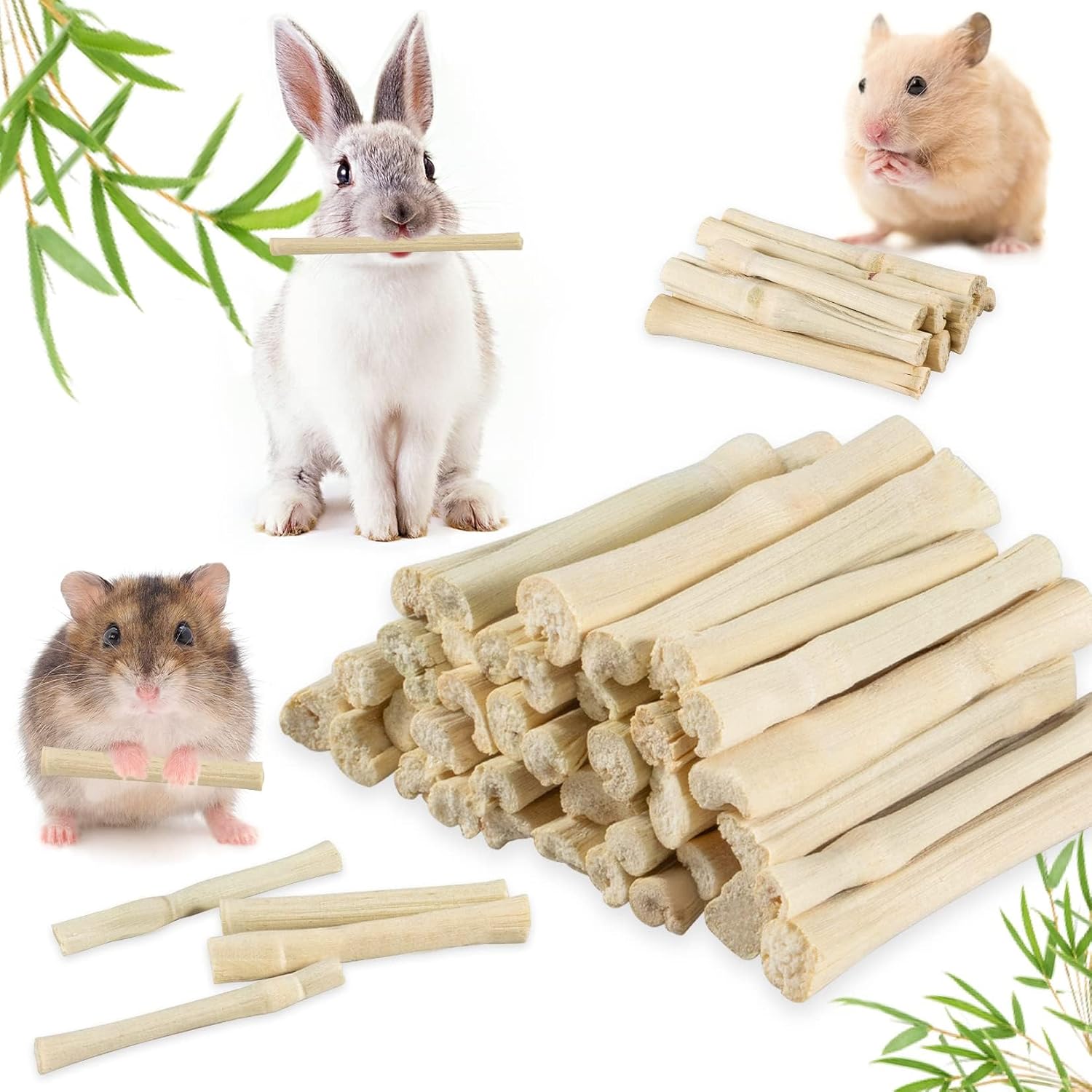
- Sukh Sweet Bamboo Chew Sticks (240 g): Check price on Amazon
- Wooden Teeth-Grinding Toy Set (3 pieces): Check price on Amazon
- Oxbow Timothy Hay Tunnel (edible hideout): Check price on Amazon
Related Reading
the best small-pet chew toys for dental health, the best guinea pig toys and enrichment activities, and the best hamster and gerbil exercise wheels.