That Clicking Sound at 9 PM Is Probably Good News
If you have ever sat in a quiet room at night and heard a rhythmic, raspy clicking coming from your bird's cage, you already know the sound I am talking about. It is somewhere between a zipper and a tiny pair of scissors. New bird owners often panic. This draws more late-night messages from worried owners than almost any other bird behavior. And almost every single time, the answer is the same: your bird is happy, comfortable, and doing exactly what a healthy bird should do.
Beak grinding, sometimes called beak clicking, is one of the most misunderstood sounds in bird keeping. It gets lumped in with concerning behaviors because it sounds a little strange. But once you understand what is happening mechanically and why birds do it, you will probably start looking forward to that evening soundtrack.
Let me walk you through what beak grinding actually is, why it happens, when it is a red flag, and what to do if you are not sure which category your bird falls into.
What Beak Grinding Actually Is
Beak grinding is exactly what it sounds like. Your bird slides the upper mandible back and forth against the lower mandible, usually in short, quick strokes. The keratin surfaces rub together, and that friction produces the clicking or rasping noise. If you watch closely, you will see the beak moving side to side, sometimes with a slight rotation. The bird's eyes are usually half-closed or fully closed, feathers slightly puffed, and posture relaxed.
This is not the same as beak wiping, which is when a bird drags its beak along a perch or cage bar to clean it after eating. Beak wiping is a quick, purposeful motion. Grinding is slower and rhythmic. It often happens in the evening, right before sleep, or during a calm moment on your shoulder.
Birds do not have teeth, so they do not have the same wear-and-tear problems mammals deal with. But their beaks do grow continuously, just like human fingernails. The outer keratin layer gets worn down by chewing, foraging, and normal use. Grinding helps keep the edges aligned and smooth. Think of it as a bird's version of filing its nails.
Why Birds Grind Their Beaks: The Main Reasons
There is not one single reason birds grind their beaks. It is a multifunctional behavior. Here are the most common ones.
Relaxation and Sleep Preparation
This is the big one. Beak grinding is a self-soothing behavior. It is the bird equivalent of a cat purring or a dog sighing contentedly before a nap. Most grinding happens in the hour before lights out, when the bird is settling in for the night. If your bird grinds its beak while perched on one foot with its head tucked, that is a bird that feels safe.
A twenty-year-old African grey may grind its beak every night, and the behavior can be predictable enough to serve as a signal that the bird is ready for its cage cover. When the grinding starts, it can indicate the bird is done for the day.
Beak Maintenance
The beak grows continuously, and the upper and lower mandibles do not always wear evenly. Grinding helps keep them from developing sharp edges or misalignments. This is especially important for birds on soft diets like pellets and fruit, because they are not doing as much hard chewing as a wild bird would. A bird that eats mostly soft food may grind more often to compensate.
Contentment and Bonding
Birds often grind their beaks when they are physically close to a person or another bird they trust. If your bird is on your shoulder, pressed against your neck, grinding away, that is a bird that considers you part of its flock. It is a good sign. Do not move. Do not make a big deal out of it. Just enjoy it.
This goes wrong when owners misinterpret the sound as aggression and push the bird away. That can damage trust. If your bird is grinding on you, it is not about to bite you. It is comfortable.
Boredom or Habit
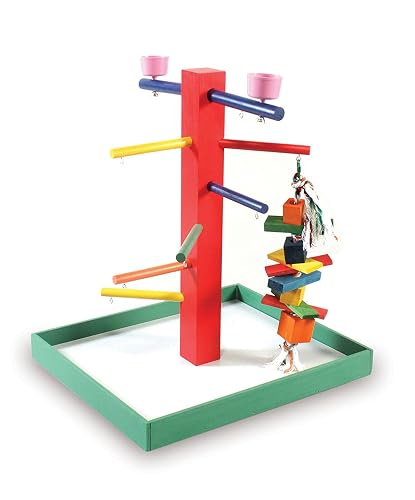
Sometimes grinding becomes a repetitive habit, especially in birds that do not have enough to do. If your bird grinds constantly throughout the day, not just at rest, it may be a sign that it needs more enrichment. That is not a medical problem, but it is a welfare issue worth addressing. More foraging opportunities, more shredding toys, more out-of-cage time. The grinding usually decreases when the bird has better things to do.
When Beak Grinding Is Actually a Problem
Here is where I need you to pay attention, because this is the part that gets glossed over. Normal beak grinding is relaxed, rhythmic, and mostly happens when the bird is calm. Abnormal beak grinding looks different.
Watch for these signs:
- Grinding paired with head shaking, ear scratching, or repeated yawning. This can indicate irritation in the mouth, throat, or ear canal.
- Grinding that interrupts eating or drinking. A bird that stops mid-meal to grind and seems uncomfortable needs a vet visit.
- Grinding with a visibly misaligned beak. If the upper and lower mandibles do not meet properly, the bird may be grinding because it cannot close its beak comfortably. This is a physical problem, not a behavioral one.
- Grinding accompanied by weight loss, fluffed feathers during the day, or reduced activity. These are general illness signs in birds, and grinding in that context is a pain response.
- Grinding that sounds wet or gurgly. Respiratory issues can change the sound of the beak rubbing. If it sounds different than usual, get it checked.
According to the ASPCA, birds are prey animals that hide illness until they are seriously compromised. That means subtle changes in normal behaviors, including the sound or frequency of beak grinding, can be early warning signs. If your bird's grinding pattern changes suddenly, take it seriously.
One more thing: beak grinding is not the same as beak tapping or beak banging, which some birds do against cage bars or perches. That behavior is often territorial or attention-seeking. It is not a health concern, but it can be annoying. It usually responds to environmental changes rather than medical treatment.
How to Tell the Difference: A Practical Checklist
Deciding whether a bird's grinding is normal or concerning comes down to a short mental list. You can do the same thing at home.
Normal grinding:
- Happens mostly in the evening or during rest
- Bird is on one foot, feathers relaxed, eyes closed or half-closed
- Rhythmic, steady sound
- Bird eats, drinks, and poops normally
- Weight is stable
- No other behavior changes
Concerning grinding:
- Happens at all hours, including during active periods
- Bird seems restless or uncomfortable
- Sound is irregular, wet, or accompanied by head shaking
- Bird is eating less or losing weight
- Beak looks misaligned, overgrown, or damaged
- Other symptoms present: discharge, sneezing, lethargy, changed droppings
If you check more than one box in the concerning column, call an avian vet. Do not wait. Birds decompensate fast. A problem that would take a week to show up in a dog can become an emergency in a bird within 48 hours.
Beak Health Basics: What Keeps a Beak in Good Shape
Since grinding is partly about beak maintenance, it makes sense to talk about what actually keeps a beak healthy. Many beak problems are entirely preventable.
Diet Matters More Than Anything
A bird on an all-seed diet is not getting the nutrition it needs, and that shows up in the beak. According to the AVMA, malnutrition is one of the most common health issues in pet birds, and it directly affects keratin quality. A beak that is brittle, flaky, or overgrown is often a beak that is not getting enough vitamin A, calcium, and balanced protein.
Pellets should make up the majority of most parrot diets, supplemented with fresh vegetables and a small amount of fruit. Seeds can be part of the diet, but they should not be the whole diet. If your bird is a seed junkie, converting to pellets is worth the effort. It is not easy, but it is one of the highest-impact things you can do for long-term health.
Chewing Opportunities
Birds need to chew. Not just for fun, but for beak wear. Soft wood, cardboard, paper, untreated leather, and safe natural branches all give a bird something to work on. A bird that never chews anything hard is more likely to develop an overgrown beak.
A rotating supply of safe chew items helps keep a bird's beak in better shape and keeps the bird busier. When one gets destroyed, it should be replaced. Both of those things reduce abnormal grinding.
Perch Variety
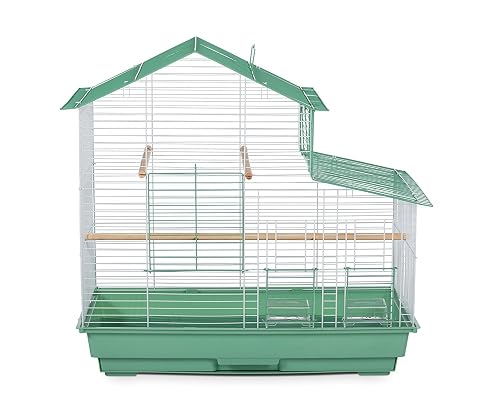
Natural wood perches of different diameters help birds exercise their feet and wear their nails, but they also give birds something to rub their beaks against. Rope perches, mineral blocks, and cuttlebone are all useful additions. Variety is the goal. A cage with three identical dowel perches is not doing your bird any favors.
When to See an Avian Vet
If you are reading this and thinking, my bird's beak looks weird, that is your cue to book an appointment. Avian vets are not the same as general practice vets. They have specialized training in bird anatomy, and they have the equipment to safely examine and trim a beak if needed. Do not try to trim your bird's beak at home. I cannot say that strongly enough. The beak is living tissue with a blood supply and nerve endings. One wrong move and you can cause permanent damage or serious bleeding.
Signs that warrant a vet visit include:
- Visible overgrowth or misalignment
- Cracks, chips, or discoloration
- Difficulty eating or dropping food
- Grinding that is new, constant, or accompanied by other symptoms
- Any change in beak shape or texture
A vet can also check for underlying issues like liver disease, which can cause beak overgrowth in some species. Beak problems are sometimes the first visible sign of something systemic. Getting a professional opinion early is almost always cheaper and easier than waiting.
What About Beak Trimming and Filing?
Some birds need their beaks trimmed periodically. This is usually a sign that something else is going on, because a healthy bird with appropriate chewing opportunities should wear its beak down naturally. If your bird needs regular trims, ask your vet why. It might be diet, it might be a physical deformity, or it might be an underlying health condition.
Some owners trim their birds' beaks at home with nail clippers. Please do not do this. Even if you have watched a video, even if it seems simple, the risk of splitting the beak or hitting the quick is too high. Pay the vet. It is worth it.
Practical Takeaways for Bird Owners
Beak grinding is one of those behaviors that looks concerning but is usually a sign of a relaxed, healthy bird. If your bird grinds in the evening, while sitting on your shoulder, or while settling in for sleep, you can relax. That is normal. That is good.
What you should do is pay attention to context. Notice when your bird grinds, what it sounds like, and whether anything else has changed. That baseline will help you spot problems early. A bird that suddenly starts grinding constantly during the day, or whose grinding sounds different, needs a closer look.Keep the diet balanced. Provide plenty of safe chewing materials. Offer a variety of perches. And build a relationship with an avian vet before you need one. That combination prevents most beak problems I see.
If you take nothing else from this article, take this: the sound of a bird grinding its beak at night is not a warning. It is a compliment. Your bird feels safe enough to let its guard down. That is exactly what you want.
Related Reading
Want more on this topic? Check out our guides on how cold too cold pet birds temperature guide, best bird mirrors toys cage enrichment, best bird nesting materials breeding supplies.