Your Bird's Beak Is Not Supposed to Look Like That
A budgie's upper beak can curl down past the lower mandible like a tiny scimitar, and it is easy to assume that is 'just how it is.' It isn't. An overgrown beak is often the only obvious clue to a liver problem that has been brewing for months. Beaks don't grow long for no reason. When they do, it's a signal — sometimes a small one, sometimes a loud alarm.
Here's the thing most bird owners don't realize: a parrot's beak is living tissue. It grows continuously, just like your fingernails. In the wild, that growth gets worn down by cracking nuts, tearing bark, and gnawing on branches. In a cage with soft food and plastic toys, that natural wear doesn't happen. Add a health issue on top, and you get overgrowth that can interfere with eating, preening, and even breathing.
This guide walks you through the causes, what you can safely do at home, when to call an avian vet, and the daily habits that prevent the problem in the first place. No product roundups. Just the stuff that actually matters.
How a Normal Beak Works
A healthy beak has two parts: the upper mandible (the top) and the lower mandible (the bottom). They meet at the commissure, the corner of the mouth. In most parrots, the upper beak should overlap the lower one slightly, with a sharp tip that tapers naturally. It should feel smooth, maybe a little warm, and the color should be consistent — no soft spots, no dark streaks, no peeling layers that look like chipped paint.
Beaks are made of keratin, the same protein in your hair and nails. They're anchored to the skull by bone and have a rich blood supply and nerve endings inside. That's why trimming a beak wrong hurts — and why it bleeds. The quick (the living tissue inside) extends further than most people think, especially in smaller birds.
Growth rate varies by species. A budgie's beak might grow a millimeter or two per month. A macaw's grows more slowly but is much thicker. The point is: growth is constant. Wear should be constant too. When those two things get out of balance, you get overgrowth.
The Real Causes of Beak Overgrowth
1. Poor Diet (The Most Common Cause)
If your bird eats nothing but soft pellets and seed, its beak never gets a workout. Seeds are small and shelled easily. Pellets are designed to be soft. Neither provides the abrasion a beak needs.
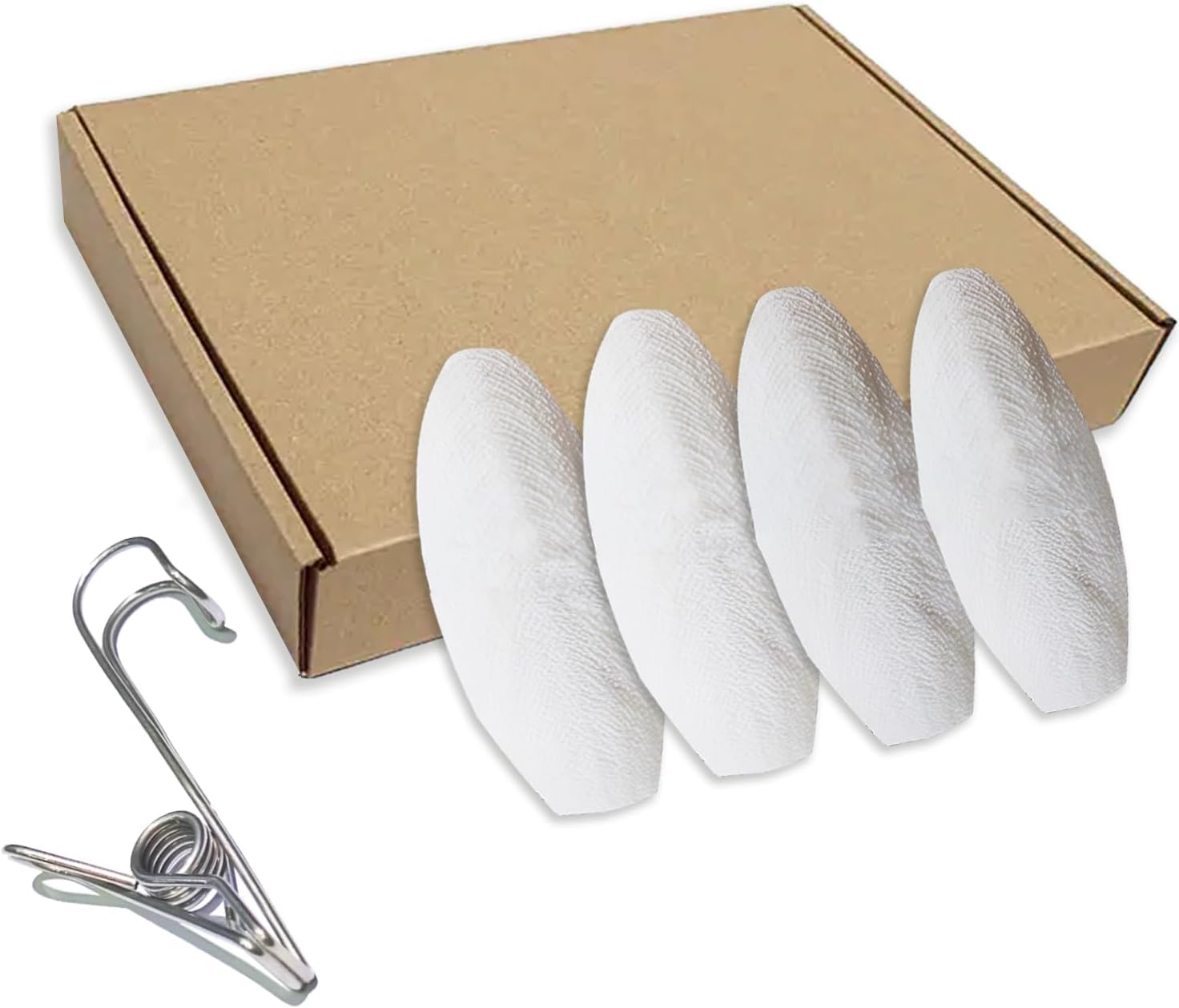
According to the ASPCA, a balanced diet for most companion parrots includes a high-quality pellet base supplemented with fresh vegetables and a limited amount of fruit. But even the best pellet doesn't wear down a beak. You need to offer harder items — nuts in the shell for larger birds, cuttlebone, mineral blocks, and safe wood for chewing.
Budgies on all-seed diets can develop overgrown beaks by age three. Switch them to a pellet-based diet with daily foraging opportunities, and the beak often corrects itself within a few months.
2. Liver Disease
This is the scary one. Liver disease — often caused by fatty liver syndrome from a high-fat diet — can cause the beak to grow abnormally fast and in weird directions. You might see the upper beak curving sideways, or the tip becoming brittle and flaky. It's not a beak problem. It's a liver problem showing up in the beak.
Other signs of liver issues include overgrown nails, yellow urates in the droppings, and a dull, puffed appearance. If you notice any of these along with a weird beak, get to an avian vet. Bloodwork can confirm it.
3. Trauma or Injury
A bird that crashes into a window, gets bitten by another bird, or fractures its beak may heal with a misaligned tip. That misalignment means the top and bottom don't grind against each other properly. Over time, one side grows unchecked.
A cockatiel's beak can split after a night fright. The owner didn't notice the crack. Six weeks later, the upper beak had grown a full centimeter past the lower one. A simple vet visit and a minor trim fixed it — but only because we caught it before the bird stopped eating.
4. Genetics and Species Predisposition
Some birds are just prone to overgrowth. Budgies, in particular, seem to have a higher incidence. So do some cockatiels and lovebirds. If your bird's parents had beak issues, yours might too. That doesn't mean you're doomed — it means you need to be more proactive with wear opportunities.
5. Age-Related Changes
Older birds often develop arthritis in the jaw or become less active. They chew less. The beak keeps growing. Senior birds need more frequent beak checks, not fewer.
How to Tell If Your Bird's Beak Is Overgrown
Not every long beak is a problem. Some birds naturally have longer beaks. But here are the red flags:
The upper beak overlaps the lower one by more than a few millimeters. In a budgie, if the top beak extends past the bottom by more than 2-3 mm, that's worth a vet look.
The tip curves downward or sideways. A healthy beak tapers to a point. If it hooks or twists, something's off.
Flaking or peeling. Some flaking is normal — beaks shed layers like fingernails. But deep cracks, soft spots, or a chalky texture are not.
Difficulty eating. If your bird drops food, takes forever to eat, or avoids hard foods, the beak might be too long to grip properly.
Weight loss. This is a late sign. By the time a bird loses weight from beak problems, it's been struggling for a while.
If you see any of these, don't wait. Call an avian vet.
Can You Trim a Bird's Beak at Home?
Short answer: no. Not safely.
I know there are YouTube videos showing people filing their bird's beak with a nail file. The results of that are not pretty. The quick — the living tissue inside the beak — extends much further than you'd expect. In a budgie, it can go almost to the tip. Cut or file too far, and you get bleeding, pain, and a bird that now associates hands with agony.
There's also the risk of cracking the beak. Beaks are brittle. A file that slips can split the keratin, creating a fracture that goes deep into the quick. That's an emergency.
What you can do at home is provide safe abrasive surfaces. Cuttlebone, mineral blocks, and rough-textured perches help. If your bird's beak is only slightly long and otherwise healthy, these might be enough to wear it back down naturally. But if the beak is significantly overgrown, misshapen, or causing problems, you need a vet.
What an Avian Vet Actually Does
Beak trimming is not a one-size-fits-all procedure. A good avian vet will:
Examine the whole bird first. They'll check for liver issues, nutritional deficiencies, and underlying disease. Trimming the beak without addressing the cause is like cutting your hair to fix a thyroid problem — pointless.
Use a Dremel or specialized clippers. For small birds, a vet might use a high-speed rotary tool with a fine burr. For larger birds, they might use bone cutters or a Dremel. The goal is to shape the beak, not just shorten it.
Work in small increments. They'll take off a little, check the quick, and take off more. This prevents bleeding and reduces stress.
Polish the edges. After trimming, they'll smooth any rough spots so the beak doesn't catch on food or toys.
Most vets will also recommend bloodwork, especially if the overgrowth is severe or recurring. That's how you find the liver disease or the calcium deficiency.
According to the Association of Avian Veterinarians, beak trims should only be performed by a veterinarian or under their direct supervision. I can't stress that enough.
What to Expect After a Trim
Your bird might be a little grumpy. That's normal. The beak is sensitive, and the procedure is stressful. Give them a quiet, warm place to recover for a few hours.
Watch for bleeding. A small amount of oozing is possible if the quick was nicked. But active bleeding needs a vet visit immediately. Apply styptic powder if you have it, but don't wait — call the vet.
Offer soft foods for the first day. Scrambled eggs, cooked sweet potato, soft pellets. Then transition back to normal.
And here's the important part: schedule a follow-up. Beak growth doesn't stop. If the underlying cause was dietary, you need to fix the diet. If it was liver disease, you need treatment. Otherwise, you'll be back in the vet's office in a few months.
Prevention: The Daily Habits That Actually Work
Feed for Wear
Offer nuts in the shell — almonds, walnuts, pecans — for larger birds. For smaller birds, give them a cuttlebone and a mineral block. These aren't treats. They're tools.
A diet that's about 60-70% pellets, 20-30% fresh vegetables, and 5-10% nuts and seeds is a reasonable target. That's a rough guide. Adjust based on your species and your vet's advice.
Provide Chewable Wood
Safe woods include apple, willow, birch, and maple. Avoid cedar, oak, and any wood treated with pesticides. A bird that shreds a branch every day is a bird with a worn-down beak.
If you're not sure what's safe, buy bird-safe chew toys from a reputable source. Look for toys made with untreated wood and vegetable-based dyes.
One thing to note: not all birds chew. Some just don't. If yours ignores wood, try different textures — cork, leather, cardboard, palm leaf. Keep experimenting until you find what they like.
Schedule Annual Vet Checks
Even if your bird looks fine, an annual exam catches beak problems early. Your vet can measure the beak, check for asymmetry, and run baseline bloodwork. For senior birds, twice a year is better.
Monitor Weight
A gram scale is one of the best investments you can make. Weigh your bird weekly. A 10% weight loss is a red flag, and beak problems often show up as weight loss before they show up as a visibly long beak.
When to Call the Vet Immediately
Don't wait for an appointment if you see:
- Bleeding from the beak
- A crack or fracture
- The bird can't close its mouth
- Drooling or difficulty swallowing
- The beak is growing rapidly (noticeable change in a week)
- The bird is not eating
These are emergencies. A bird that can't eat will go downhill fast — often within 24-48 hours.
A Quick Word on Nail and Beak Grooming Products
You'll see a lot of grooming kits online. Most are unnecessary. A good cuttlebone and a few rough perches cost less than $15 and do more than a fancy filing set. If your bird needs regular trims, that's a sign of an underlying issue, not a grooming routine.
If you do want to keep a styptic powder on hand for minor nicks, that's reasonable. A basic avian first aid kit is a sensible place for it. You can find one here: Bird First Aid Kit. But don't buy a beak trimming kit. Leave that to the professionals.
What About Beak Conditioners and Supplements?
There's no supplement that replaces proper wear. Some products claim to 'strengthen' beaks with calcium or vitamins. If your bird has a deficiency, a vet might prescribe a supplement. But for a healthy bird on a balanced diet, extra calcium doesn't help the beak. It just gets excreted.
That said, if your bird is on an all-seed diet, a vitamin supplement might be part of the transition plan. Talk to your vet. Don't guess.
The Bottom Line
Beak overgrowth is almost always a symptom, not a disease. It tells you something is wrong with diet, health, or environment. Fix the cause, provide the right wear opportunities, and most beaks stay healthy without intervention.
If your bird's beak looks off, don't reach for a file. Reach for the phone. Call an avian vet, get a proper diagnosis, and follow their plan. Your bird will thank you — probably by chewing a hole in your favorite shirt. That's love.
Related Reading
Want more on this topic? Check out our guides on best bird harnesses, best bird stands play gyms and perch stations, best bird mirrors toys cage enrichment.