Why Your Bird Chews Everything: Destructive Behavior Causes and Fixes
You just spent $80 on a new lamp cord. Your cockatoo turned it into confetti in under three minutes. Or maybe it's the window blinds, the bookshelf, or the trim around your doorframe. If you live with a parrot, you've probably watched something valuable get dismantled while your bird looked you straight in the eye and kept chewing. It's infuriating, and it's also completely normal bird behavior. The problem isn't that your bird is bad. The problem is that you haven't given it a better outlet.
Parrot owners typically see this go wrong in two directions. Some owners punish the bird, which destroys trust and doesn't stop the chewing. Others just accept the destruction and end up rehoming the bird when the damage gets too expensive. Neither is necessary. Chewing is as natural to parrots as barking is to dogs. Your job isn't to stop it. Your job is to channel it.
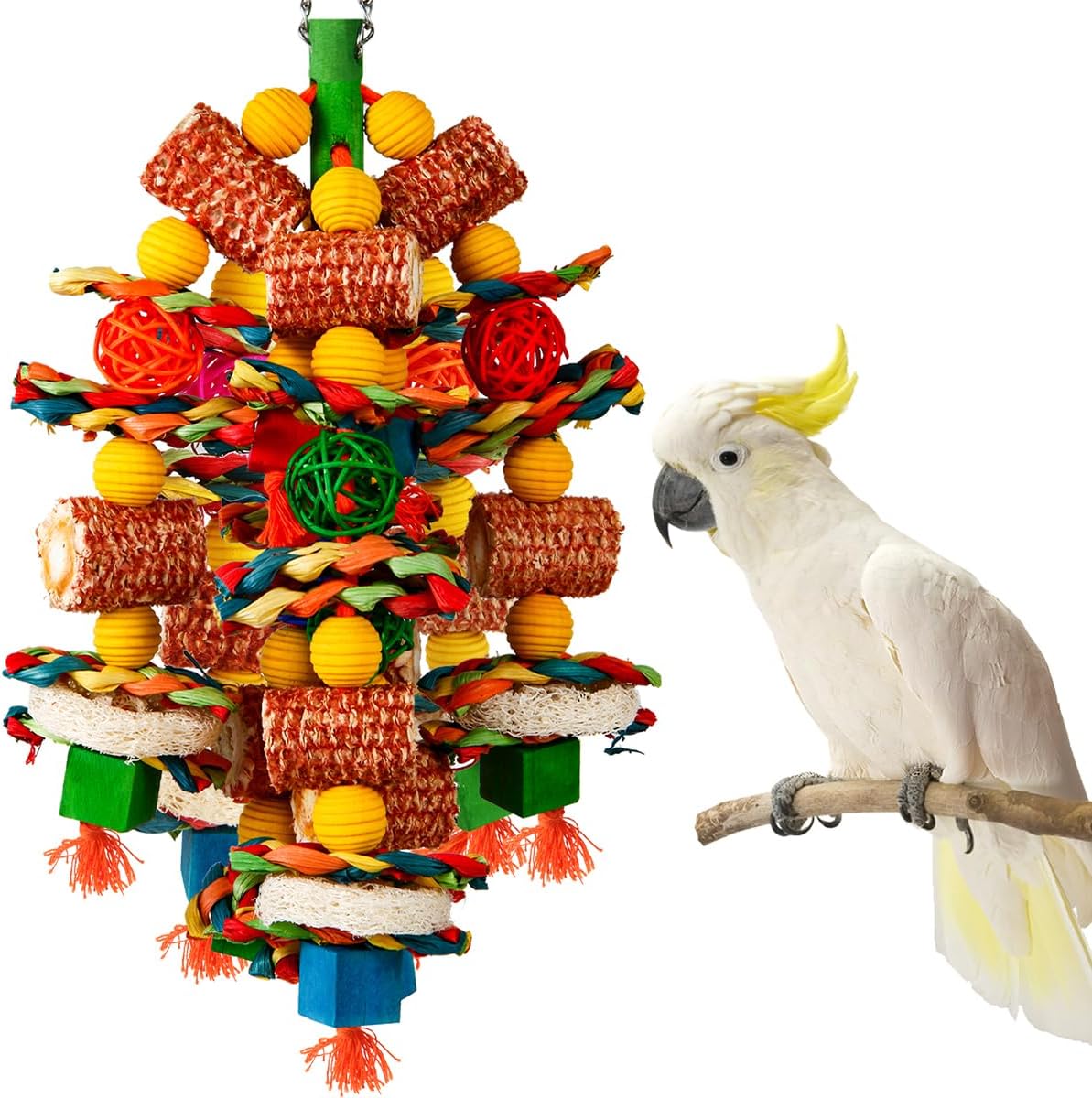
Why Parrots Chew in the First Place
Wild parrots chew constantly. It's how they shape nest cavities, strip bark to get to insects, and keep their beaks from overgrowing. A parrot's beak grows continuously throughout its life, and chewing wears it down naturally. In the wild, that's a full-time job. In your living room, the beak still grows, but the opportunities to wear it down are limited to whatever you provide.
According to the ASPCA, parrots are highly intelligent animals that require mental stimulation and appropriate outlets for natural behaviors like chewing, foraging, and shredding. When those needs aren't met, the bird will find its own entertainment. And it won't care that your grandmother's antique chair is off-limits.
There's also a sensory component. Chewing feels good. The beak is packed with nerve endings, and working on a piece of soft pine or a cardboard box releases tension. Some birds chew more when they're bored, some when they're hormonal, and some just because they enjoy it. Figuring out which category your bird falls into is the first step toward fixing the problem.
The Four Main Reasons Birds Destroy Things
Across hundreds of parrot-owner reports from local bird clubs and online communities, the same four triggers come up again and again. Most destructive birds fall into at least one of these categories.
1. Boredom and Lack of Enrichment
This is the big one. A parrot alone in a cage with three plastic toys and a food bowl will get bored within hours. Boredom in parrots looks a lot like destruction. They'll chew cage bars, shred perches, and when they're out of the cage, they'll go after anything that looks interesting.
The fix isn't complicated, but it requires consistency. You need to rotate toys, provide foraging opportunities, and give your bird something to destroy every single day. Not once a week. Every day. A parrot that has nothing to shred will find something to shred. Your baseboards are more interesting than a plastic toy that just sits there.
2. Hormonal Chewing
When birds hit sexual maturity, their behavior changes. A normally calm Amazon can turn into a chewing machine during breeding season. Hormonal birds often chew to build nests, to release frustration, or to defend territory. This type of chewing is more intense and often directed at specific spots, like the corner of a cabinet or inside a closet.
This goes wrong when owners don't recognize the hormonal component. They buy more toys, the bird ignores them, and the destruction continues. The solution here is environmental. Reduce daylight hours to 10-12 hours, remove anything that resembles a nest cavity, and avoid petting your bird on the back or under the wings. Those areas are erogenous zones for parrots, and touching them can trigger hormonal behavior.
3. Attention-Seeking Behavior
Parrots are smart enough to learn that chewing the wrong thing gets a reaction. If every time your bird chews the curtain rod you rush over and yell, you've just taught your bird that chewing the curtain rod is a great way to get attention. Negative attention is still attention.
The fix is counterintuitive. When your bird chews something inappropriate, don't react. Don't yell, don't run over, don't even make eye contact. Instead, calmly redirect the bird to an appropriate chew toy and praise it when it takes the bait. This takes patience, but it works. Birds can stop chewing electrical cords within two weeks using this method alone.
4. Nutritional Deficiencies
This is the one most owners miss. A bird on an all-seed diet is often missing key nutrients, and some birds will chew excessively as a result. The beak is a living structure, and if it's not getting the minerals it needs, the bird may chew more to compensate. A diet of pellets, fresh vegetables, and limited seeds supports beak health and overall behavior.
According to the FDA, a balanced diet for pet birds should include formulated pellets as the base, supplemented with fresh produce. If your bird is on a seed-only diet, that's the first thing to change. It won't fix the chewing overnight, but it will improve your bird's overall health and make every other behavior strategy more effective.
How to Redirect Destructive Chewing: A Step-by-Step Plan
You can't just remove the problem. If you take away the lamp cord and give your bird nothing in return, it will find something else. The goal is replacement, not deprivation. Here's the plan that bird-care guidance consistently supports.
Step 1: Identify the Target
What is your bird actually chewing? Is it wood, fabric, paper, plastic, or cords? This tells you what kind of texture your bird craves. A bird that goes after your wooden furniture wants wood. A bird that shreds your curtains wants soft, fibrous material. A bird that chews electrical cords might be attracted to the texture or the challenge.
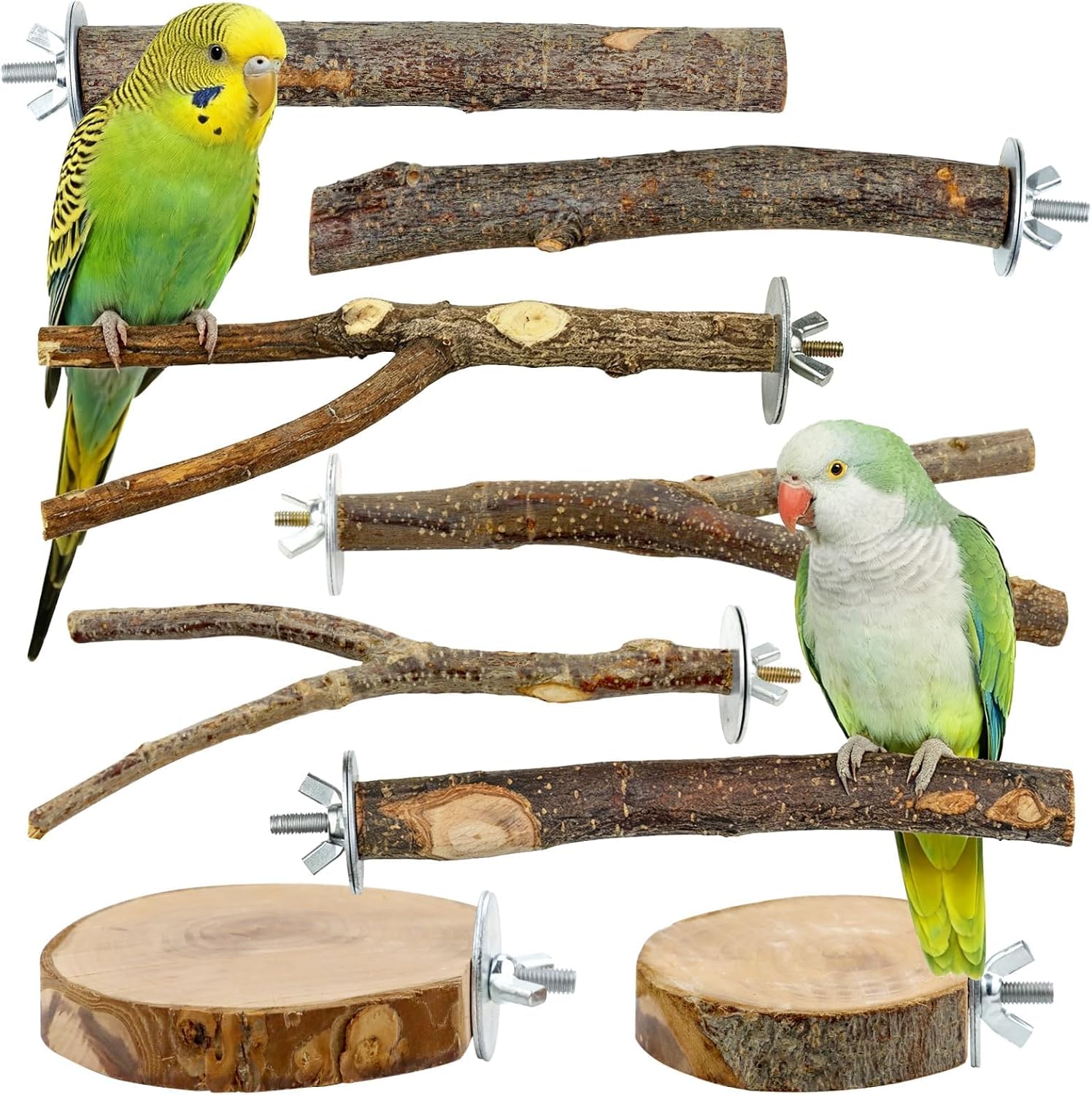
Once you know the target, you can match it with an appropriate alternative. For wood chewers, untreated pine blocks, natural branches, and balsa wood are ideal. For shredders, plain cardboard, paper, and soft wood work well. For birds that like to destroy, provide items that are meant to be destroyed.
Step 2: Set Up a Chew Station
Create a designated area where your bird can chew freely. This could be a playstand, a foraging station, or a specific perch with toys attached. The key is to make this area more interesting than your furniture. Rotate the toys every few days so your bird doesn't get bored.
Having at least three types of chewable materials available at all times is a good approach: soft wood, hard wood, and shreddable material like cardboard or paper. This covers most chewing preferences and keeps your bird engaged.
Step 3: Supervise Out-of-Cage Time
When your bird is out of the cage, you need to be present. This isn't optional. A parrot with free access to your home will find trouble. Supervise your bird, redirect it when it goes for something inappropriate, and reward it when it chooses the right item.
If you can't supervise, your bird should be in its cage or a bird-proofed room. Bird-proofing means covering cords, removing toxic plants, and securing anything valuable. It's not a permanent solution, but it prevents disasters while you work on the behavior.
Step 4: Use Positive Reinforcement
When your bird chews the right thing, tell it. Use a calm, happy voice. Offer a treat if your bird is food-motivated. The goal is to make the appropriate behavior more rewarding than the inappropriate behavior. This takes time, but parrots learn fast when the rewards are consistent.
Never punish your bird for chewing the wrong thing. Punishment creates fear and can lead to more destructive behavior, not less. It also damages the trust you've built. If you catch your bird in the act, simply redirect it. No drama, no yelling.
Step 5: Increase Foraging Opportunities
Foraging is the secret weapon against destructive chewing. A bird that spends 30 minutes working for its food is a bird that isn't chewing your furniture. Wrap food in paper, hide it in foraging toys, or scatter it in a puzzle feeder. Start easy and increase the difficulty as your bird gets better at it.
Birds can completely stop chewing furniture once they have a proper foraging routine. It's not magic. It's just meeting a need that was previously unmet.
What About Cords? The Safety Issue
Electrical cords are the most dangerous thing your bird can chew. A parrot's beak can strip insulation in seconds, and electrocution is a real risk. If your bird has a habit of going after cords, you need to address it immediately.
There's no training that makes cord chewing safe. The only solution is to make cords inaccessible. Use cord covers, run cables behind furniture, or block access to areas with cords. This isn't about behavior modification. It's about preventing a fatal accident.
There are stories of birds being electrocuted and surviving, but also stories of birds that didn't. Don't gamble with your bird's life. If you can't hide the cords, keep your bird away from them.
When Chewing Becomes a Medical Problem
Sometimes excessive chewing isn't behavioral. It's medical. If your bird suddenly starts chewing more than usual, especially if it's chewing on cage bars or its own feathers, a vet visit is in order.
According to the AVMA, birds are masters at hiding illness, and changes in behavior are often the first sign that something is wrong. A bird with a beak infection, nutritional deficiency, or gastrointestinal issue may chew excessively as a response to discomfort. If the behavior is new and intense, get your bird checked.
Feather chewing is a different issue entirely. If your bird is chewing its feathers rather than objects, that's a sign of feather destructive behavior, which can be caused by medical problems, stress, or poor husbandry. That requires a vet and a behaviorist, not just more toys.
Products That Actually Help
You don't need to spend a fortune, but a few key items make a big difference. A good foraging toy that dispenses treats is worth its weight in gold. So is a variety pack of chewable wood and shreddable materials.
One product that fits this need well is the Super Bird Creations Foraging Toy. It's simple, durable, and most birds figure it out within a day. Pair it with a living world wood chew pack and you've got a solid foundation for redirecting chewing behavior.
For birds that shred, plain cardboard boxes are free and effective. Just remove any tape or staples first. A bird that shreds a cardboard box is a bird that isn't shredding your curtains.
If you're dealing with a bird that chews cage bars, a bird-safe cage cover can reduce the behavior by limiting visual access to things that trigger chewing. It's not a cure, but it helps.
And if you're not sure what your bird needs, a variety pack of bird toys lets you test different textures without committing to one type. Watch which toys get destroyed first, then buy more of those.
Building a Long-Term Strategy
Destructive chewing doesn't go away overnight. It's a habit, and habits take time to change. The key is consistency. Every day, your bird needs access to appropriate chew items, foraging opportunities, and supervision. If you slack off for a week, the behavior will come back.
A daily routine is the most effective structure: morning brings fresh foraging toys and a rotation of chew items; afternoon offers supervised out-of-cage time with redirection as needed; evening provides another foraging opportunity and a calm interaction before bed. This structure gives your bird predictability, which reduces anxiety and boredom.
It also helps to track your bird's behavior. Keep a simple log of what your bird chews and when. You'll start to see patterns. Maybe your bird chews more in the evening. Maybe it chews more when you're on the phone. Once you know the triggers, you can address them directly.
The Bottom Line
Your bird isn't chewing to spite you. It's chewing because it's a bird. The solution isn't punishment. It's redirection, enrichment, and a little bit of patience. Give your bird something better to chew, and it will leave your furniture alone. Maybe not today, maybe not tomorrow, but eventually.
Start with one change: add a foraging toy to your bird's cage today. Then add a wood chew block tomorrow. Build the habit, and your bird will build a new one too. And if you're ever unsure whether the behavior is medical, call your avian vet. It's better to ask than to guess.
Related Reading
Want more on this topic? Check out our guides on best bird vitamins supplements for vibrant plumage, best bird cages top picks for parrots finches, the best bird cages for parrots and parakeets.