The Broken Gene Every Guinea Pig Carries
Guinea pigs share one unlucky piece of biology with humans, most primates, and a handful of fruit bats: none of them can make their own vitamin C. Every other mammal on the planet runs a liver enzyme called L-gulonolactone oxidase that converts glucose straight into ascorbic acid on demand. In guinea pigs, the gene that codes for that enzyme stopped working somewhere in their evolutionary past, and it has stayed broken ever since. Researchers confirmed the defect in laboratory guinea pigs back in the 1950s, which is one reason the species became a classic model for studying scurvy in the first place.
For a pet owner, that broken gene means something very concrete. A dog that eats nothing but stale kibble for a month is bored and undernourished. A guinea pig that eats stale, vitamin-poor food for a month is quietly building the early stages of scurvy, a disease of failing connective tissue that produces real pain, real joint damage, and real dental trouble. There is no buffer, no internal reserve worth counting on, and no waiting for next week. The vitamin has to arrive on the plate every single day, in meaningful amounts, or the body starts borrowing from structures it cannot afford to lose.
The frustrating part is that hypovitaminosis C is almost entirely preventable with ordinary groceries and a small amount of planning. The tragic part, at least from where the veterinary literature sits, is that early deficiency looks like nothing much: a pig that sleeps more, eats a little less, and seems vaguely stiff. Owners often blame age, weather, or mood. By the time the classic signs show up, the animal has been deficient for weeks. This guide lays out the daily numbers, the food plan, the pellet trap that catches so many households, and the warning signs that deserve a same-week vet visit.
How Much Vitamin C a Guinea Pig Actually Needs
The headline number is simple: roughly 10 to 30 mg of vitamin C per kilogram of body weight per day. According to the Merck Veterinary Manual, guinea pigs cannot synthesize ascorbic acid and require daily dietary intake in that range, with the higher end reserved for young animals, pregnant or lactating sows, and animals recovering from illness or surgery. A typical adult pig weighs between 900 g and 1.2 kg, which lands the practical daily target somewhere between 10 and 30 mg, and closer to 20 to 30 mg on the days that matter most: growth, pregnancy, nursing, stress, heat, and recovery.
Two details in that range deserve attention. First, the requirement scales with weight, so a big adult male needs more than a petite adult female, and a sow carrying or nursing a litter can need several times the maintenance amount. Second, sickness burns through vitamin C faster. Stress hormones and inflammatory processes consume ascorbic acid, which is why veterinary guidance recommends raising intake for any animal under the weather, not just cutting it back because appetite is down.
Now compare that target to what a typical hay-and-pellet-only household delivers. Fresh grass and wild forage are naturally rich in ascorbic acid, which is why the species never had to make its own. Dry pellets, even fortified ones, start with a generous vitamin C overage added at the mill because the manufacturer knows degradation is coming. That overage has a shelf life, and the shelf life is shorter than most owners assume. The gap between what the label promised and what the bowl actually contains is where most deficiency cases begin.
The Pellet Bag Math Nobody Runs
Vitamin C is the most fragile nutrient in the bag. Heat, light, humidity, and time all chew through it, and pellet fortification typically loses a substantial share of its ascorbic acid within weeks of milling. Small-exotic-practice guidance is blunt about this: fortified pellets should be treated as short-dated goods, bought in small quantities, used within roughly six weeks of opening, and stored sealed, cool, and dark. A 10 lb economy bag that sits in a garage for three months is not a pellet supply, it is a fiber supply with a fading vitamin sticker on the label.
We recommend running the bag math the way you would run a milk carton check. Look for a mill date or best-by date, not just the store's pull date. Buy the smallest bag that fits your household's six-week consumption. If you feed roughly an eighth of a cup per pig per day, a single pig burns through about 2 lb a month, which makes the 3 to 5 lb bags the sensible purchase and the 10 lb bulk bag a false economy. Stored in an airtight container away from the window and the fridge motor, a small bag keeps its fortification intact far better than any bulk buy.
The Early Signs Nobody Names
Vitamin C deficiency in guinea pigs does not announce itself. The early list reads like a collection of symptoms owners routinely shrug off: slightly reduced appetite, preference for soft foods over hay, reluctance to climb ramps or hop onto hides, a coat that looks a little rougher than usual, and increased sleep. Because the signs are gradual, most households adjust their expectations instead of their shopping list.
The middle stage is more specific and much harder to excuse. You start seeing a stiff, hunched, or hopping gait, swollen and painful joints especially in the hips and knees, and a pig that squeals when picked up in certain positions. Appetite drops further, weight loss follows, and secondary infections show up because the immune system leans on vitamin C too. Diarrhea can appear. Wounds heal slowly. The animal may drool or paw at the mouth.
The late stage is where the disease earns its old name. Scurvy in guinea pigs produces bleeding gums, loose or painful teeth, and the dental breakdown that comes from it. This is the part many owners miss: guinea pig teeth grow continuously, and the production of dentin and the collagen scaffolding that holds teeth in their sockets is vitamin C dependent. A deficient animal cannot maintain normal tooth attachment or normal dental wear, so deficiency feeds malocclusion, and malocclusion feeds malnutrition, and the cycle tightens. According to the ASPCA's guinea pig care guidance, a daily supply of vitamin C rich vegetables is a baseline requirement of the species, not a bonus, and any pig showing joint pain, appetite loss, or mouth trouble needs a vet exam rather than a bigger pile of lettuce.
One more sign belongs on the watch list even though it sounds unrelated: small wounds or surgical sites that refuse to close on schedule. Collagen is the raw material of healing, and scurvy is, at its core, a collagen manufacturing failure. Slow healing plus stiffness plus rough coat is a pattern worth a phone call, not a wait-and-see.
The Food-First Plan
The good news is that the entire daily requirement fits inside one grocery item. Bell peppers are the workhorse of the vitamin C plan. A red bell pepper delivers roughly 128 mg of vitamin C per 100 g, a yellow pepper around 180 mg, and a green pepper a still-respectable 80 mg. A single thick slice of red pepper, maybe 25 to 30 g, hands a 1 kg pig somewhere between 30 and 40 mg, which covers the day even before the rest of the salad counts. Peppers are also low in calcium compared with many greens, which matters for pigs prone to bladder stones, and most pigs regard them as the best part of dinner, which removes the negotiation entirely.
Build the daily plate around one reliable anchor plus variety. A workable template for an adult pig: unlimited grass hay (timothy or meadow for adults, alfalfa only for young, pregnant, or underweight animals by vet direction), a quarter cup of fresh pellets from a small fresh bag, one slice of bell pepper, and a rotating cup of leafy greens and herbs. Parsley is a vitamin C powerhouse at roughly 130 mg per 100 g, though it is calcium dense too, so it works better as a garnish than a staple. Kale carries around 90 mg per 100 g with the same calcium caveat. Romaine, cilantro, radicchio, carrot tops, and small amounts of broccoli round out the rotation. Citrus is neither necessary nor special here; a pepper outperforms an orange slice without the sugar load.
Timing and freshness are part of the math, not trivia. Vitamin C oxidizes once plant cells are cut, so a salad prepped in the morning loses a measurable share of its ascorbic acid by evening. Chop close to feeding time, refrigerate whole peppers rather than pre-cut ones, and treat pre-packaged cut vegetables as a backup rather than a routine. Water-soaked or wilted greens deliver degraded nutrition along with a soggy cage floor.
What About Supplements?
Vitamin C drops added to the water bottle are the most popular shortcut and the least reliable method. Ascorbic acid degrades within hours in water, faster in a bottle sitting in daylight, and faster still if the bottle is a clear plastic one near a window. The animal ends up drinking flavor-altered water with an unknown fraction of the dose, and reduced water intake is its own risk in a species already prone to urinary problems. If a supplement is ever needed, veterinary practice favors plain vitamin C tablets, dosed per the label by weight, with the tablet crushed and sprinkled over moist vegetables so it is eaten rather than dissolved. Direct-dose products also let you verify intake, which a water bottle cannot do.
That said, a healthy pig on a pepper-plus-greens routine usually does not need a daily synthetic dose at all. The supplement conversation belongs at the vet visit for specific situations: pregnancy, nursing, illness, recovery from surgery, or a pig that refuses peppers. Self-prescribing megadoses is not harmless. Vitamin C is water soluble, but high doses commonly cause soft stool and diarrhea, and a gut that is already struggling does not need the help. More importantly, dosing your own suspicion of scurvy can mask the signs of something else, like dental disease or kidney trouble, while the real problem advances.
Where Treats Fit In
Treats have a legitimate job in a vitamin C plan, but the job is small and specific: bonding, handling practice, medication days, and weight checks. The mistake households make is substituting colorful muesli mixes, yogurt drops, and honey sticks for actual nutrition. Those products are sugar delivery systems, and a pig filling up on them eats less hay and less salad, which quietly undermines the whole program.
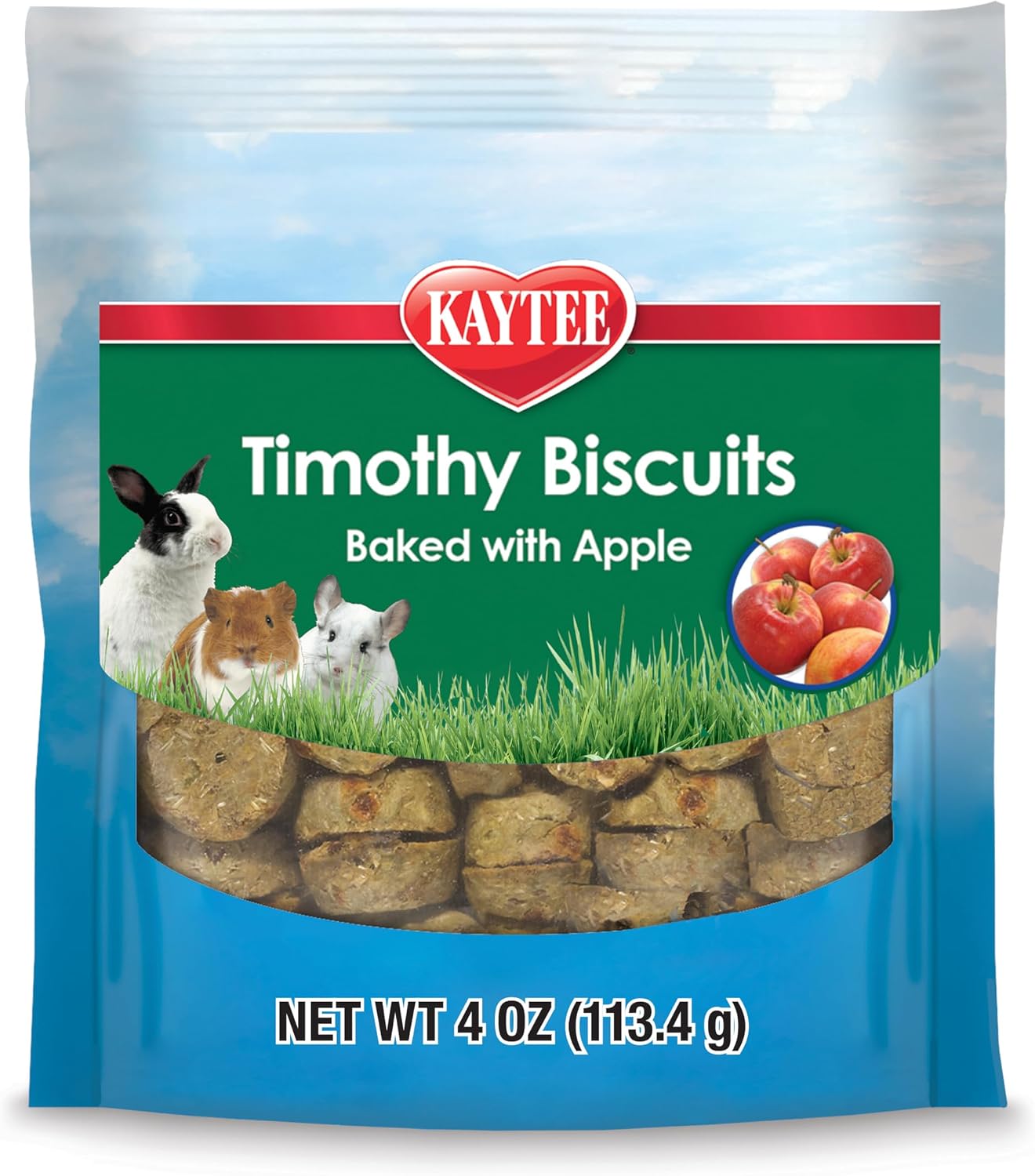
The treats worth keeping are the boring ones, and the boring ones are easier to defend because their ingredient lists are short. Plain timothy hay biscuits, baked without added sugar, give a pig something crunchy that works with the dental plan instead of against it, and a product like Kaytee Timothy Biscuits fits that slot for rabbits and guinea pigs alike.
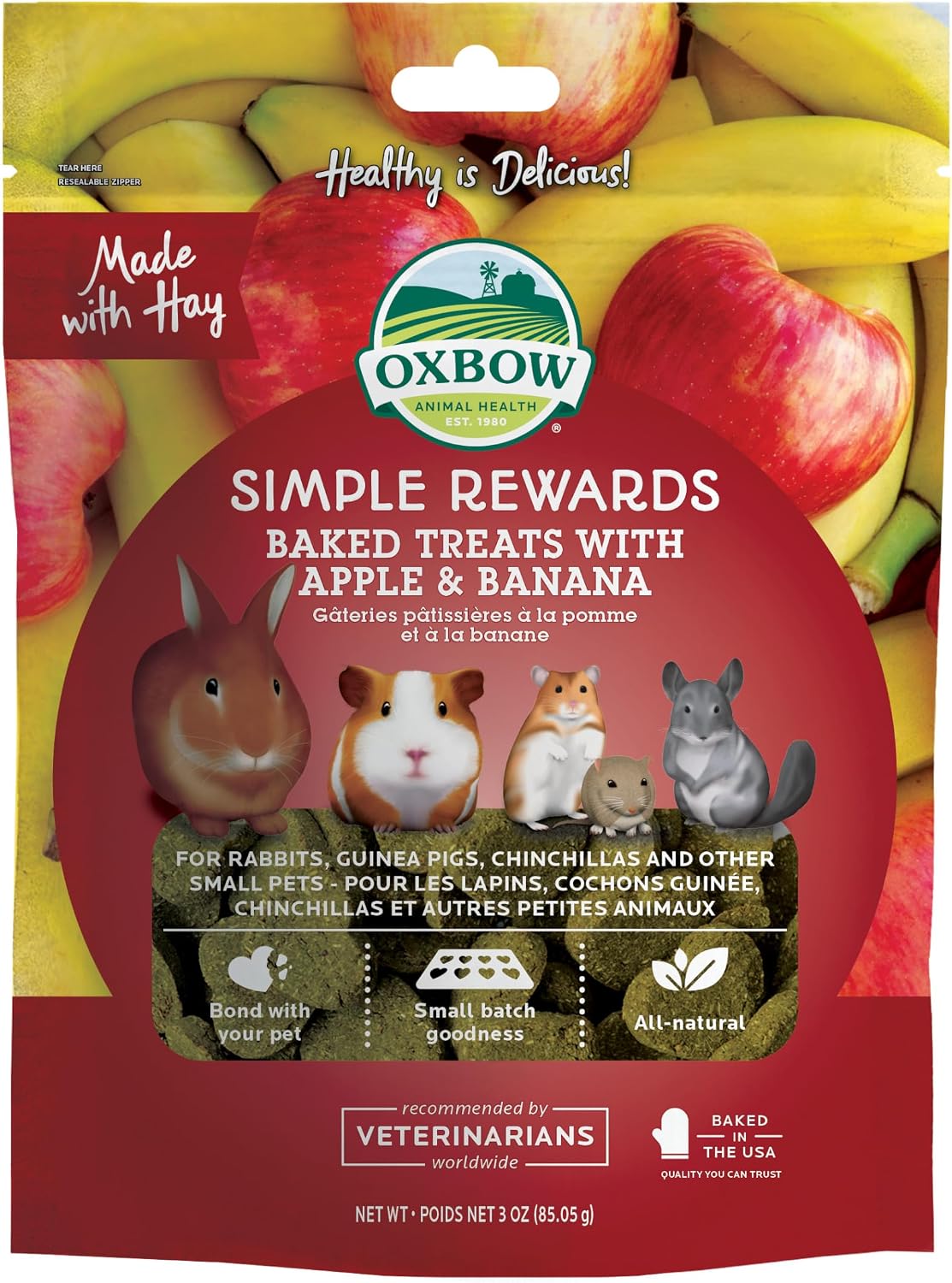
Hay-based baked treats in small pieces, such as Oxbow Simple Rewards Guinea Pig and Rabbit Treats, earn their place as handling rewards because a small piece carries a small calorie cost and a hay-first ingredient list. For variety and foraging enrichment, a sprinkle-style natural snack mix like Kaytee Food from the Wild Natural Snack gives you something to scatter into the hay so the pig works for part of its food, which is closer to how the species eats in the wild than a bowl ever will be.
One honest caveat belongs right here: none of these treats is a meaningful vitamin C source, and none of them should be counted toward the daily total. Their role is behavioral. The vitamin C ledger stays open until the pepper and the greens are eaten, and the treat budget stays at roughly a teaspoon-sized portion per day regardless of how pleading the wheeking gets.
If Scurvy Already Happened
A pig with suspected deficiency needs a veterinarian, and preferably one who sees exotics regularly. Treatment is well established and usually effective when it starts early: injectable or oral vitamin C at doses well above maintenance, pain management for the joint inflammation, and a frank review of the diet that let the deficiency develop. Most animals improve noticeably within days of proper dosing, though full recovery of dental damage and severe joint problems can take weeks, and advanced dental disease may need ongoing care long after the vitamin levels normalize.
The vet visit matters as much for what it rules out as for what it confirms. Stiffness, appetite loss, and mouth pain overlap heavily with other small-animal problems, including dental abscesses, urinary stones, respiratory infection, and arthritis from age. A responsible exam includes a look inside the mouth, a weight history, and often imaging if the teeth or joints are involved. Treating for scurvy at home on a guess risks spending two weeks dosing a problem the pig does not have while the problem it does have gets worse.
After treatment, prevention becomes a written routine rather than an intention. The households that avoid a second episode are the ones that turn the daily plate into a fixed habit: fresh pepper every day, greens rotated, pellets bought small and dated, and a weekly weigh-in on a kitchen scale to catch the appetite drift that starts every deficiency story.
The Weekly 10-Minute Audit
Vitamin C management rewards small, boring consistency over occasional enthusiasm. Here is the audit we suggest running once a week, all of it doable between coffee and breakfast:
- Pepper check: is a vitamin C anchor vegetable on the plate every day this week, not just most days?
- Pellet check: is the bag less than six weeks old since opening, stored sealed and dark, with a mill or best-by date you actually know?
- Water check: no vitamin drops dissolving in the bottle, bottle clean, intake roughly normal for the season?
- Treat check: treat portions teaspoon-sized, hay-first, and not crowding out the salad?
- Body check: weekly weight within the normal band, gait smooth on the floor, no squealing on pickup, gums and mouth sound at the last look?
The whole list takes ten minutes, and every item on it exists because a real disease process skips past owners who only look at the food bowl once a month. Guinea pigs cannot bank vitamin C, cannot make it, and cannot tell anyone it is missing. The broken gene that makes them dependent on the grocery list also makes them one of the most predictable animals to feed correctly. A pepper a day, fresh greens behind it, small fresh pellets, and a scale on the shelf is the entire program. It is not elaborate, and that is the point: the species has been waiting on that plate since 1953, and it has never needed anything fancier than what is already in the produce drawer.
Related Reading
Want more on this topic? Check out our guides on best small pet chew toys dental health, how to choose first small pet buying guide, best small pet grooming tools nail care rabbits.