Why Seed Junkies Are Made, Not Born
Disclosure: PawCritic is reader-supported. A few links below are Amazon affiliate links, and we may earn a small commission if you purchase through them at no extra cost to you.
Here's the uncomfortable truth most bird articles skip: your parrot isn't eating an all-seed diet because he prefers it. He's eating it because seeds are the bird equivalent of fast food, and somewhere along the line, nobody made him a better offer. A budgie on a straight sunflower and millet diet is like a toddler who's been allowed to live on fries for six years. He'll eat it enthusiastically. He'll also be quietly developing fatty liver disease the whole time.
This failure pattern plays out constantly, usually in the first week of a conversion attempt. An owner reads that seeds are bad, panics, dumps a bowl of pellets in the cage, and pulls the seed. The bird ignores the pellets for two days. The owner caves, refills the seed bowl, and now the bird has learned something valuable: if he holds out long enough, the fries come back. Every failed attempt makes the next one harder.
So before we get into the actual method, let's get one thing straight. Converting a bird to pellets is a negotiation, not a hijacking of his food bowl. Small birds like budgies and cockatiels can drop dangerous amounts of weight in 48 hours. According to the Association of Avian Veterinarians, a weight loss of even 10 percent in a small parrot is a medical emergency, which is why you need a gram scale, not vibes, before you start this project.
Why Seeds Alone Fall Short
A seed mix is high fat, low calcium, and missing roughly a dozen nutrients a bird needs to maintain feathers, bones, and a functional immune system. Sunflower seeds run around 40 to 50 percent fat. A wild parrot foraging for hours a day burns through that kind of fuel. A caged cockatiel who flies twice around the living room and screams at the mail carrier does not. The result is obesity, fatty liver disease, iodine deficiency, vitamin A deficiency, and a bird whose annual bloodwork looks like a cautionary tale.
Pellets solve this because they're formulated to be nutritionally complete. Every piece is the same, so a bird can't cherry-pick the fatty bits and ignore the rest. The American Veterinary Medical Association supports feeding commercially formulated diets as a base for companion birds, with fresh vegetables and a small amount of seed as supplementation rather than the main event. That's the target: pellets at 60 to 80 percent of the diet, vegetables and a little fruit making up most of the rest, and seeds demoted to training treats.
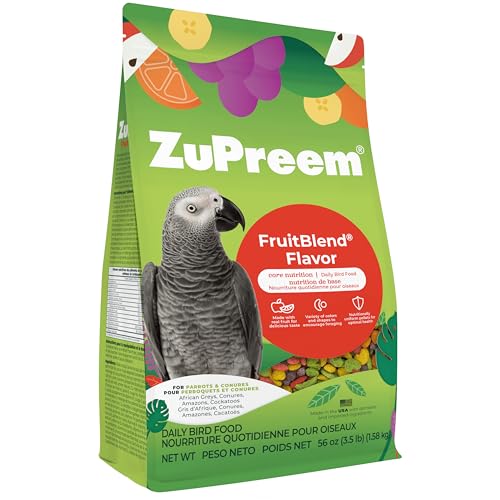
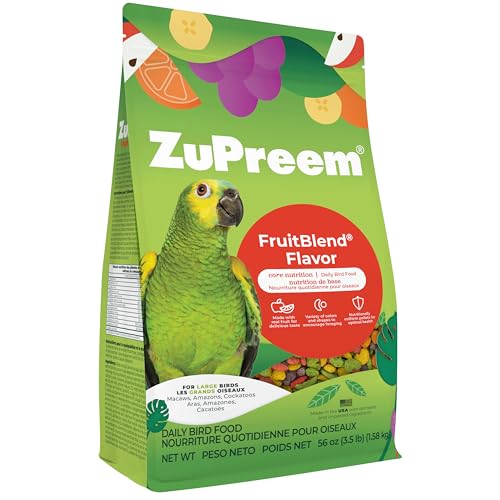
If you want a quality pellet to convert to, Harrison's Bird diets are the brand most avian vets recommend first, and Harrison's Adult Lifetime Fine is the workhorse option for birds from budgies to Amazons. ZuPreem Natural is the other heavyweight, and its small nugget size is often easier for stubborn cockatiels to accept. Owner reports frequently describe better acceptance starting picky birds on ZuPreem and graduating them to Harrison's later, but either is a massive upgrade over a seed bowl.
Buy a Gram Scale Before You Buy Anything Else
This is the non-negotiable first step. You need a digital gram scale accurate to one gram, and you need baseline weights for three consecutive mornings before you change anything. Weigh your bird at the same time each day, ideally first thing in the morning before breakfast, and write the numbers down.
During conversion, you weigh daily. A bird up 2 or 3 grams one day is normal fluctuation. A bird trending down 10 percent from baseline gets his seed back immediately and a phone call to your avian vet. This cannot be stressed enough: birds hide illness, and refusing food is one of the only early warning signs you'll get. The ASPCA pet care library notes that prey animals like parrots instinctively mask symptoms of sickness, so appetite changes deserve to be taken seriously rather than waited out.
Keep the scale on a table where your bird can see it for a few days before you start using it. Some birds are suspicious of new objects, and a terrified bird won't sit still long enough to get an accurate reading.
Step One: Make Pellets a Toy Before They're a Food
Days one through three involve zero reduction of seed. All you're doing is introducing the pellets as an object of curiosity. Sprinkle a few pellets on top of the seed bowl so your bird has to push them around to get to the seeds. Put a small dish of pellets on the cage floor where your bird plays. Crush a few pellets and dust them over the seed mix so the flavor starts registering.
Even better: pretend to eat the pellets yourself. Parrots are social eaters, and nothing makes a food interesting to a parrot faster than watching his flock apparently enjoy it. Sit next to the cage, pick up a pellet, make a big show of nibbling it, and make happy noises. Feel free to feel ridiculous. It works. Exaggerated theatrical pellet-eating performed by the whole family over a long weekend has converted many a lovebird.
Step Two: The Morning Bowl Swap
Days four through ten are where the real conversion happens, and the trick is exploiting your bird's hunger rhythm. Parrots eat most aggressively first thing in the morning after a 10 to 12 hour night. So in the morning, you offer a bowl of pellets only. No seed in the cage at all. Set a timer for 60 to 90 minutes, then return, weigh the bird, and offer his usual seed mix.
Most birds will poke at the pellets, drop them, yell at you, and eventually eat a few because hunger is a powerful motivator. A few will dig in immediately, especially if the presentation step went well. Either way, your bird goes to bed with a full crop because he gets his seed later in the day.
Gradually extend the pellet-only window. Week two might look like pellets until noon with seed in the afternoon. Week three, pellets all day with a measured tablespoon of seed in the evening. The pace depends entirely on your bird. A young bird or a species that's naturally adventurous, like a conure, might convert in two weeks. A ten-year-old cockatiel who has eaten nothing but millet his entire life might take two months. Both timelines are normal. Rushing the timeline is how birds end up at the vet.
Step Three: Warm Food, Trick Presentations, and Other Cheat Codes
Some birds need the pellets disguised at first. Crush pellets into a powder and sprinkle them over a favorite warm vegetable mash. Warm food triggers feeding instincts in a way dry kibble doesn't, and a bird who accidentally eats pellet dust alongside sweet potato is a bird who's learning the flavor. You can also slightly moisten pellets with warm water to soften them, though don't leave wet food in the cage for more than a couple of hours.
Another trick: offer pellets by hand as if they were treats during training sessions. A bird who takes a pellet from your fingers in exchange for praise will often accept it in the bowl a few days later. Pellets given with social reinforcement carry a different emotional charge than pellets sitting mysteriously in a bowl.
Size matters too. A budgie staring down a pellet sized for an African Grey is going to logically decline. Match the pellet to the bird: fine or crumble textures for budgies and finches, small for cockatiels and lovebirds, medium and large for conures up through macaws. ZuPreem Natural Bird Food comes in multiple nugget sizes, which makes it a forgiving option when you're not sure what your bird will accept.
Step Four: Demote Seeds to Currency
Once your bird is reliably eating pellets, don't feel guilty about keeping seeds around. Seeds make outstanding training rewards. A sunflower seed given one at a time during step-up practice is worth more behaviorally than a bowl of seed ever was. The goal isn't to eliminate seeds from your bird's life; it's to change them from a staple to a paycheck.
Measure whatever seed you do offer. A teaspoon a day for a budgie, a tablespoon for a cockatiel or small conure. Free-feeding seed alongside pellets usually results in a bird who eats all the seed and politely excavates the pellets onto the cage floor, because of course he does.
Mistakes That Sink Conversions
The cold turkey approach is the big one. Some sources still recommend just removing the seed and waiting, and small birds have died from exactly this advice. Never do a strict food removal with a bird under six months old, an already-underweight bird, or any bird you cannot weigh daily.
The second mistake is trying to convert during a stressful period. Moving to a new home, a new family member, molting, or breeding season are all terrible windows. Wait for a calm stretch. A hormonal, molting, or anxious bird has no bandwidth for a dietary revolution.
The third mistake is inconsistency. If you run the pellet-only morning five days a week and cave on weekends, your bird learns that weekend mornings are holdout hours. Everyone in the household has to be on the same plan. This is a family project, and the weakest link is usually whoever feels the most guilty about the screaming.
The fourth mistake is giving up after one brand rejection. Birds can be picky about pellet shapes, colors, and even smells. If your bird refuses one formula after three honest weeks, try a different brand or size before concluding that pellets are impossible. Switching from a round nugget to a crumble has fixed countless conversions.
Vegetables Belong in This Conversation Too
Pellets are the base, but conversion is also your once-in-a-lifetime window to introduce fresh foods, because you're already disrupting the food routine. Chop dark leafy greens, carrots, bell peppers, and broccoli into a daily fresh mix offered alongside the pellets. Vitamin A deficiency is rampant in seed-only birds, and orange and dark green vegetables are the fix.
Avoid avocado, onion, and chocolate entirely, and go easy on fruit since it's sugar-heavy. For a reference on foods to avoid, the ASPCA Animal Poison Control lists common household toxins. If you want a reference for safe produce preparation, a dedicated vegetable and fresh food guide for parrots is worth keeping on the shelf while you build the habit. Offer fresh foods wet and leafy, since many birds use the moisture for bathing, and that dual-purpose presentation often gets a nibble started.
How to Know It's Working
The scale tells you the health story, but the poop tells you the conversion story. A bird eating pellets produces droppings that are slightly darker and more uniform than a seed-eater's, with formed, consistent fecal portions. Seed-eater droppings are often loose, greenish, and variable. When you see the droppings change and stabilize, and you're watching your bird actually chew pellets rather than just crumble them, you've crossed the line.
A follow-up vet visit with bloodwork about three months after full conversion is smart. Fatty liver values improve slowly, and having numbers from before and after is genuinely satisfying evidence that the months of morning standoffs were worth it.
One more tool worth mentioning: if you're feeding Harrison's, the Harrison's Pepper Lifetime formula adds chili spice, and some birds who refuse plain pellets will accept the spiced version enthusiastically. Parrots lack the receptor for capsaicin heat, so spicy pellets are just interesting flavor to them, and it's rescued more than one stubborn African Grey conversion.
The Takeaway
Seed-to-pellet conversion takes two weeks to two months depending on the bird, and every one of those days is an investment in adding years to your bird's life. Start with a gram scale and baseline weights. Introduce pellets as toys and flock food before you touch the seed bowl. Use the morning hunger window to your advantage. Weigh daily and never push a bird who's losing weight. And when the conversion is done, keep seeds in your pocket instead of the cage, because a sunflower seed you control is worth a thousand in a bowl.
Related Reading
Want more on this topic? Check out our guides on best bird grooming supplies, parakeet vs cockatiel which bird fits your life, best bird foraging toys puzzle feeders mental enrichment.