Moving Day Kills More Fish Than Any Disease
I've watched more fish die on moving day than from ich, fin rot, and swim bladder problems combined. That's not an exaggeration — it's a pattern. Somebody gets a new job, rents a van, bags their fish, drains the tank into a bathtub drain, and six hours later they're scooping floaters out of a tank full of milky white water. The fish didn't die from the drive. They died because the owner threw away 90 percent of the tank's beneficial bacteria when they drained it, scrubbed it, and refilled it with fresh tap water.
The mistake almost everyone makes is treating an aquarium like furniture. A tank isn't a bookshelf. It's a living filter system wrapped around a fragile bacterial colony, and that colony starts dying the moment it dries out. Move a tank correctly and your fish barely notice the trip. Move it wrong and you get new tank syndrome at your new address, complete with ammonia spikes and daily losses, while boxes are still stacked in the hallway.
This guide covers a local move — same day, ideally under two hours of drive time. I'll flag where a long-distance move changes the plan. I've done this myself four times with tanks from 10 to 75 gallons, and I've helped friends botch it twice so you don't have to. According to the Humane Society of the United States, transporting fish requires secure, insulated containers with stable water conditions, and they emphasize that temperature swings during transport are one of the most common causes of fish loss during relocation. Everything below is built around protecting two things: your bacteria and your fish's temperature.
Gather Your Supplies Before You Touch the Tank
You cannot improvise this at 9 p.m. the night before the movers arrive. Here's what I lay out a week ahead:
Fish bags — the real ones from a fish store, not sandwich bags. You need bags sized to your fish, and you need two per fish if you're paranoid like me. A 5-gallon bucket with a lid for every 15 gallons of tank water you want to save. A battery-powered air pump with airstone — this one matters more than people think, and the Penn-Plax battery air pump has saved my hauling buckets more than once when a ride took longer than planned. A sponge filter or filter media bag to hold your biological media wet. Towels, lots of them. A cooler or styrofoam box for the bags of fish. A siphon hose. Packing tape. And a permanent marker to label everything, because 'bucket with the dark substrate' stops being helpful once you have four buckets.
One thing worth buying if you don't own it: a spare bottle of dechlorinator. I keep Seachem Prime on hand specifically for moves, because you'll be re-treating a lot of water fast and it doubles as an emergency ammonia binder if the tank cycles hard after the move.
Stop Feeding 24 to 48 Hours Before the Move
This feels cruel to new fishkeepers. It isn't. Fish easily go three to five days without food — wild fish do it constantly — and a fish with an empty gut produces less ammonia and far less waste in the bag. Waste in a sealed bag is what kills fish on long rides, not hunger. The ammonia they excrete builds in a few cups of water with nowhere to go.
So: last feeding 48 hours before the move for big fish like goldfish and oscars, 24 hours for small community fish. Feed normally up to that point. Don't compensate by overfeeding before the cutoff; you'll just foul the water faster.
Save the Water — More Than You Think You Should
Here's the number that surprises people: I save 50 to 70 percent of the tank water, not 20. Yes, water is heavy — 8.3 pounds per gallon — and yes, this means more buckets. But old water is already cycled, already the right pH and hardness, and it dramatically softens the shock when your fish go back in. The rest you can replace with temperature-matched, dechlorinated water at the new house.
Fill your buckets from the tank itself, siphoning from the top so you don't stir up crud. Two buckets should hold your filter media, fully submerged in tank water, lids on. That media — the biomedia, the sponge, the ceramic rings — is the single most valuable thing you're moving. It holds the bacteria colony that keeps your fish alive. If it dries out or gets dunked in untreated tap water, the chlorine kills it and you're starting the nitrogen cycle from zero. Treat those media buckets like you're transporting a crate of eggs.
Catching Fish Without a Forty-Minute Chase
Drain the tank down to about a quarter before you catch anything. Less water means fewer escape routes and less panicked sprinting, which injuries fish and stresses you. Remove hardscape — driftwood, rocks, decorations — first so fish can't wedge behind them.
Then bag. One species per bag if you can manage it. Fill each bag a third with tank water, leaving two-thirds air, and I mean actual air — oxygen, the stuff you exhale less of — so don't blow the bags up like a balloon with your mouth like some forum posts suggest. Seal with a rubber band or twist-tie, then double-bag anything spiny or expensive. Big fish and messy fish go in larger containers; a big pleco in a bag will shred it with his pectoral spines in ten minutes, so use a bucket with a lid and an airstone for anything over five inches.
Stack the bags in a cooler — a foam or insulated one, lid closed. Insulation does two jobs: it holds temperature and it keeps the fish dark. Dark fish are calm fish. You've noticed this whenever you turn the tank light off and the frantic darting stops. Keep that cooler in the climate-controlled cab of your vehicle, not a moving truck bed, not a trunk in July, not a truck bed in January.
Tear Down the Tank Properly
After the fish are bagged, drain the rest of the water down to the substrate. If you have live plants, pull them, trim dead leaves, and wrap the roots in wet paper towels inside a sealed bag — most survive a day like this without complaint. Bag the substrate wet if your move is under a few hours; a sealed bag of wet gravel keeps enough bacteria alive to matter. For a long-distance move, dry the substrate, accept the bacteria loss, and plan a mini-cycle.
Never, ever move a tank with water or gravel in it. Glass tanks are engineered to carry that weight distributed across a level stand — the twisting forces inside a moving vehicle flex seams differently, and a 40-gallon tank with 300 pounds of wet gravel in it can crack a bottom pane going over a speed bump. Empty means empty. Sponge out the last bit of water with a towel.
Wrap the empty tank in moving blankets and transport it upright or on its foam bottom pad, never on its side without padding. Remove the filter, keep the media wet, and don't clean anything. I know the filter looks gross. The gross is the point.
Set Up First at the New House — Before the Boxes
Here's my standing rule: the aquarium gets set up on day one, before you unpack a single kitchen box. Fish in bags have a clock running. Nitrifying bacteria in media buckets have a clock running. The cardboard can wait.
Set the stand, confirm it's level with a small spirit level, and place the tank. Add substrate, then hardscape, then plants. Pour your saved buckets of old water back in — pour onto a plate or your hand to avoid blasting craters in the substrate. Top off with new water that's dechlorinated and temperature-matched, heater running in a bucket on the side if you need to warm the top-up water. Get the heater and filter running before any fish go in. Aim for the same temperature the fish left at, usually 76 to 80 degrees Fahrenheit for tropicals, within a degree or two.
If your filter sat dry or the media got trashed, this is when you rebuild — and honestly, if that happened, running a well-reviewed Aquaclear power filter with fresh media alongside whatever you salvaged gives you redundant filtration while the colony regrows. Cheap insurance.
Reintroducing Fish: Float, Then Release
Float the sealed bags in the tank for 20 to 30 minutes to equalize temperature. Then open each bag, roll the top down into a collar so it floats open, and add a cup of tank water every ten minutes for half an hour. This slow mixing adapts the fish to the new pH and chemistry. Net the fish out and release — don't pour the bag water into the tank, since bag water accumulates waste and stress hormones during transport.
Keep the tank lights off for the rest of the day and skip feeding until the next evening. The fish will hide, breathe a bit fast, and generally sulk. Normal. What's not normal: gasping at the surface within hours, clamped fins, red streaks, or fish lying flat on the substrate. That's a water chemistry problem, and you need to test immediately.
The Two-Week Danger Window
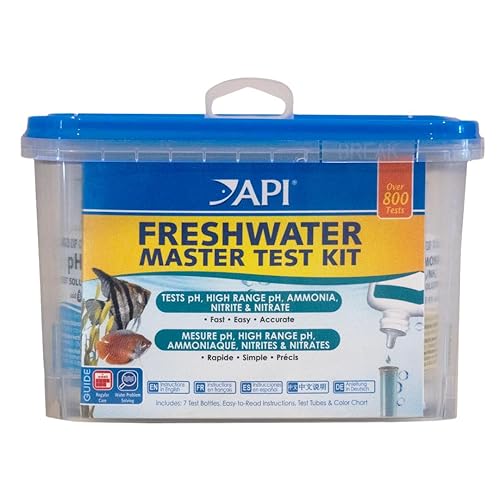
Even a perfect move knocks your bacterial colony back somewhat. For the next two weeks, test ammonia and nitrite every other day and change 25 percent of the water any time either reads above zero. Feed lightly — once a day, small amounts. According to the FDA's animal feed safety resources, proper storage and handling of fish food matters too, since degraded or contaminated food adds insult to injury in a tank that's already stressed, so keep those flakes sealed and dry during the shuffle.
I keep a bottle of beneficial bacteria supplement on the counter during this window as well. It's not magic, and a bottled bacteria product never substitutes for your saved media, but dosing daily for two weeks after a move has, in my tanks and others I've helped with, measurably shortened the post-move ammonia wobble. The API Quick Start bacteria bottle is the one I've used repeatedly for exactly this purpose.
Long-Distance Moves Change the Math
If the drive is over about four hours, bagging fish alone stops being safe. Ammonia builds and oxygen depletes. You need sealed buckets with battery air pumps, or better yet, a properly sized transport container with an inverter running an air pump off the car's power outlet. Don't feed for a full 48 hours. Stop every few hours to check temperatures. For moves taking more than a day, you're into overnight hotel stops with heated buckets, and I'd honestly tell most people in that situation to rehome the fish locally and start a fresh cycled tank at the destination. It sounds harsh, but a cross-country fish move done halfheartedly is a fish funeral with extra steps.
Common Questions I Get Asked
Can I leave the fish in the tank with a few inches of water during the drive?
No. Water sloshes violently in a moving vehicle, and even gentle braking sends waves across a tank that slam fish into glass. Open water also has no thermal stability. Bag them or bucket them.
How long can fish survive in a bag?
For small fish with proper bagging, 12 to 24 hours is realistic. Bigger fish and dirtier water cut that down fast. Heat or cold is the usual killer, not time alone, which is why the cooler matters.
Do I really need to keep the filter media wet?
Yes. This is the number one fatal mistake I see. Nitrifying bacteria die within a few hours of drying. No bacteria means ammonia starts climbing the moment your fish re-enter the tank, and ammonia at even 0.25 parts per million is enough to burn gills. Keep media submerged in tank water from the second it leaves the filter until the second it goes back in.
My tank is cloudy after the move. Should I panic?
Mild cloudiness for a couple of days is normal bacterial bloom as the colony resettles. Milky water with happy, active fish — leave it alone, don't tear the filter apart, and it usually clears on its own. Cloudy water plus gasping fish is a different story that needs immediate testing and a water change.
The Short Version
Stop feeding early. Save half the water. Bag the fish, insulate them, keep them dark and climate-controlled. Empty the tank completely before moving it. Keep the filter media wet like your fish's lives depend on it, because they do. Set the tank up first at the new place, acclimate slowly, then test every other day for two weeks and feed lightly. Do that and moving an aquarium is a chore. Skip it and it's a massacre. Print this out, put it on the fridge, and do not let a helpful friend with good intentions pour your filter media into a sink 'to rinse it off.' I've seen that exact sentence end a 75-gallon reef tank, and I still think about those fish.
Related Reading
Want more on this topic? Check out our guides on best aquarium led lights, best aquarium filtration media biofiltration products, aquarium gravel vs sand substrate comparison.