Chinchilla Dust Baths: Why They Need Them, How Often, and How to Get It Right
The first time a chinchilla takes a dust bath is a memorable moment. It looks like a tiny tornado made of grey fluff, rolling and kicking until a cloud of fine powder drifts across the room. But as charming as it looks, the details of chinchilla dust baths turn out to matter more than most owners expect, including the lessons about dry skin, respiratory irritation, and the importance of getting the dust-to-bath ratio right.
If you own a chinchilla, you already know they are not like other small pets. They do not need water baths. In fact, water can ruin their coat and cause serious skin problems. Instead, they need regular dust baths to absorb oils, remove dirt, and keep their dense fur clean and fluffy. But here is the catch: not all dust is created equal, and the frequency matters more than most owners realize. Get it wrong, and you risk dry skin, eye irritation, or a chinchilla that avoids the bath entirely.
Why Chinchillas Need Dust Baths (It Is Not Just About Cleanliness)
Chinchillas come from the Andes mountains in South America. Their natural habitat is dry, rocky, and dusty. They evolved to clean themselves by rolling in volcanic ash and fine dust. That dust absorbs excess oil from their fur, which is crucial because their coat is incredibly dense. Each follicle can hold up to 60 hairs, and they have more hair follicles per square inch than almost any other mammal. If oil builds up, the fur becomes matted, greasy, and prone to fungal infections.
According to the ASPCA, chinchillas require regular dust baths to maintain healthy skin and coat. Without them, they can develop skin irritation, hair loss, and even behavioral problems like excessive grooming or fur chewing. This can go wrong in rescue chinchillas that were kept without dust baths for months. Their fur was clumped and dull, and they scratched constantly. Within a few weeks of proper dust baths, their coats improved dramatically.
There is also a behavioral component. Chinchillas love dust baths. It is play, exercise, and stress relief rolled into one. A chinchilla that gets regular baths is generally happier and more active. A chinchilla will do somersaults in its bath, then pop out looking like a powdered donut. It never gets old.
What Kind of Dust Should You Use?
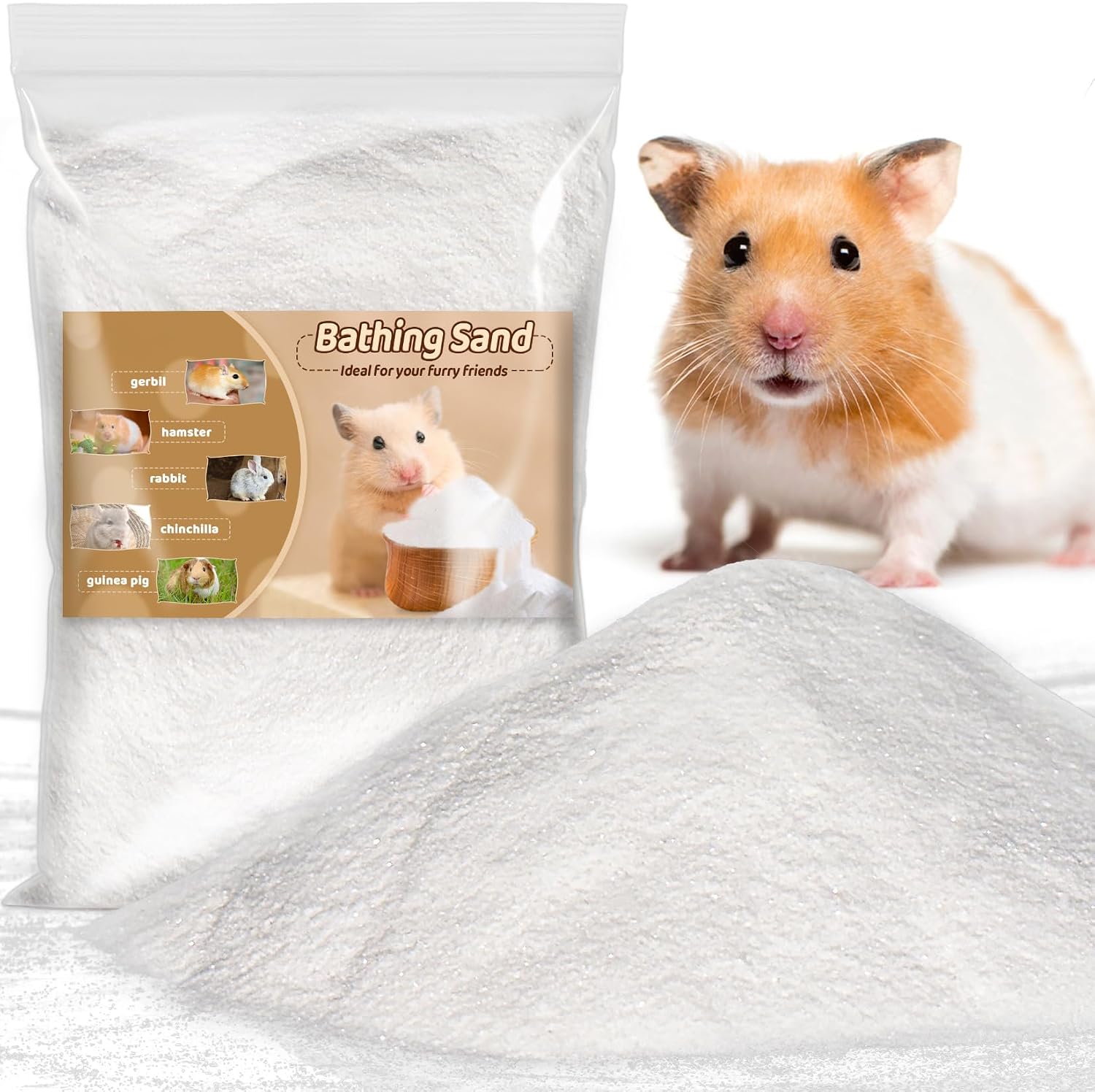
Not all dust is safe. You need fine, soft, kiln-dried volcanic ash or sepiolite dust. Do not use sand, play sand, or anything with large grains. Those can scratch the cornea and cause eye ulcers. A cheaper sand-based product teaches that lesson the hard way: a minor corneal abrasion that takes days to settle and usually needs a vet visit to confirm.
Look for dust that is specifically labeled for chinchillas. It should be fine, light, and free of perfumes or additives. Some brands add fragrance, which can irritate their respiratory system. Chinchillas have sensitive lungs. According to the AVMA, respiratory disease is a common issue in small mammals kept in dusty or poorly ventilated environments. So keep the dust clean and the room ventilated.
You can also buy dust in bulk to save money. A five-pound bag lasts months if you use it correctly. Store it in an airtight container to keep it dry. Moisture ruins dust. If your dust clumps, it is time for a new batch.
How Often Should You Give a Dust Bath?
This is where most owners get it wrong. The internet is full of conflicting advice. Some say daily. Some say once a week. The truth is somewhere in the middle, and it depends on your chinchilla's skin and environment.
For most adult chinchillas, two to three times per week is ideal. Each session should last 10 to 15 minutes. That gives them enough time to roll, coat their fur, and shake off the excess. If you live in a humid climate, you might need to offer a bath every other day. Humidity makes their fur oily faster. If you live in a dry climate, twice a week is plenty. In winter, when indoor heating dries out the air, you might cut back to once or twice a week to avoid over-drying their skin.
Kits and young chinchillas need less frequent baths. Once or twice a week is enough until they are about six months old. Their skin is more sensitive, and daily baths at that age can leave it flaky and red. Cutting back to twice a week and adding a humidifier to the room usually clears it up within a week.
Here is a simple rule: if your chinchilla's fur looks greasy or feels clumpy, give a bath. If their skin looks dry, flaky, or red, skip a bath and check the humidity. You can also consult your vet if you are unsure. Every chinchilla is a little different.
How to Give a Dust Bath (Step by Step)
You do not need fancy equipment. A sturdy plastic or ceramic container works fine. A large glass jar is a common choice. It is heavy enough that a chinchilla cannot tip it over, and the opening is wide enough for it to roll comfortably. Avoid cardboard boxes; they get soggy and messy. Also avoid containers with sharp edges.
Here is a reliable routine:
1. Pour about one to two cups of dust into the container. You want enough for your chinchilla to roll and cover themselves, but not so much that it spills everywhere. Start with one cup and adjust based on how much your chinchilla kicks out.
2. Place the container in your chinchilla's cage or in a secure play area. If you use a playpen, make sure the sides are high enough to contain the dust. A large plastic storage bin with low sides keeps the mess contained.
3. Let your chinchilla investigate. Some jump right in. Others need a few minutes. Do not force them. If they ignore it, try again later. A cautious chinchilla will often dive in headfirst once it grows comfortable.
4. Let them roll for 10 to 15 minutes. If they lose interest after five minutes, that is fine. Remove the bath. Do not leave it in the cage all day. Chinchillas will use it as a litter box if given the chance. Plus, over-bathing dries out their skin.
5. Remove the bath and sift out any droppings or debris. You can reuse the dust a few times if it stays clean and dry. A fine mesh strainer keeps the dust clean, and the dust should be replaced every two to three weeks. If it smells or clumps, toss it.
6. Clean up any spilled dust with a damp cloth or vacuum. Do not sweep it, or you will just spread it around. A small handheld vacuum is useful for this purpose and makes the job much easier.
Common Mistakes and How to Avoid Them
Even experienced owners make mistakes. Here are the most common ones, along with fixes.
Using the wrong dust. As mentioned, sand and play sand are too coarse. They can scratch eyes and skin. Stick to fine volcanic ash or sepiolite. If you are unsure, check the label. It should say 'for chinchillas' and list no added fragrances.
Over-bathing. Daily baths strip natural oils and cause dry, itchy skin. It is tempting because they love it, but stick to two to three times a week. If your chinchilla has dry skin, cut back and consider a humidifier. You can also add a few drops of chinchilla-safe oil to the dust, but adjusting frequency first is the better approach.
Leaving the bath in the cage. This leads to overuse and contamination. Remove it after each session. Your chinchilla will not suffer. They will look forward to the next one.
Not cleaning the dust. Dust gets soiled with urine and droppings. Sift it after each use and replace it regularly. Dirty dust can cause skin infections and respiratory issues.
Using a container that is too small. Chinchillas need room to roll. A small bowl will not cut it. Use a container that is at least 12 inches in diameter and 6 inches deep. A 2-gallon glass jar works well.
Ignoring humidity. If your home is humid, your chinchilla may need more frequent baths. If it is very dry, they may need fewer. A hygrometer helps. Aim for 40 to 60 percent relative humidity in the room. According to the Humane Society, proper humidity is important for small pet respiratory health.
What About Health Issues Related to Dust Baths?
Dust baths are generally safe, but problems can happen. Watch for these signs:
Eye irritation. If your chinchilla squints, has watery eyes, or paws at their face after a bath, the dust may be too coarse or getting in their eyes. Switch to a finer dust and keep the bath away from drafts. If symptoms persist, see a vet. Corneal ulcers are painful and need treatment.
Respiratory issues. If your chinchilla sneezes, wheezes, or has nasal discharge after a bath, the dust may be irritating their lungs. Ensure the room is well-ventilated. Do not use scented dust. If symptoms continue, consult an exotic vet. Chinchillas are prone to respiratory infections, and early treatment is key.
Dry skin. Flaky, red, or itchy skin means you are over-bathing or the environment is too dry. Cut back on baths, add a humidifier, and consider a vet visit if it does not improve. Sometimes a dietary issue is the culprit. Chinchillas need a balanced diet with plenty of hay and limited treats.
Fur chewing. This is a behavioral issue that can be triggered by stress, boredom, or skin irritation. If your chinchilla starts chewing their fur, review their diet, environment, and bath routine. A vet can help rule out medical causes.
Dust Bath Alternatives: Are They Worth It?
Some owners ask about alternatives to dust, like cornstarch or commercial dry shampoos. I do not recommend them. Cornstarch can clump and cause matting. Dry shampoos often contain chemicals that are not safe for chinchillas. Stick with proper chinchilla dust. It is the safest and most effective option.
If you are allergic to dust, you can try a dust-free grooming spray. But these are not a substitute for dust baths. They do not absorb oil the same way. Out of curiosity, some owners try them, and chinchillas hate it. Stick with dust.
A Reliable Setup and Tips
Over the years, a reliable dust bath routine comes down to a few things:
- A large glass jar with a wide mouth works well. It is easy to clean and heavy enough that it does not tip. - A separate container of dust and a fine mesh strainer are useful for sifting. - Baths are best given in the evening, when chinchillas are most active. A bath, then a hay refill, then a nap is a natural sequence. - A small handheld vacuum makes it easy to clean up spills immediately and keeps the dust from spreading. - Humidity is best monitored with a cheap hygrometer. Below 40 percent, a humidifier helps. Above 60 percent, a dehumidifier helps. - Weekly checks of the skin and fur are worthwhile. Flakes or grease are a sign to adjust the bath schedule.
One more thing: do not use the same dust bath for multiple chinchillas without cleaning it between uses. Dust can carry bacteria and fungi. If you have a bonded pair, you can let them bathe together if they get along, but sift and replace the dust more often. Bonded chinchillas can share a bath, and they usually love it — but the dust needs cleaning every week.
When to Call the Vet
Most dust bath issues are minor and fixable at home. But call your vet if you see any of these:
- Persistent squinting or eye discharge. - Wheezing, sneezing, or labored breathing. - Severe skin redness, scabs, or hair loss. - Fur chewing that does not improve with environmental changes. - Any change in appetite or behavior.
Chinchillas hide illness well. By the time they show symptoms, they may be quite sick. So trust your gut. If something feels off, get help. Calling the vet early is almost always the right decision.
Final Thoughts (No, Really, Just the Important Stuff)
Dust baths are not optional for chinchillas. They are a core part of their grooming and health. Get the dust right, get the frequency right, and you will have a clean, happy, fluffy chinchilla. Get it wrong, and you risk skin and eye problems that can take weeks to heal. It is a hard way to learn that lesson, so you do not have to. Start with two to three baths per week, use fine volcanic ash, and watch your chinchilla's skin and coat. Adjust as needed. And keep a vacuum handy. You will need it.
Related Reading
Want more on this topic? Check out our guides on best ferret cages spacious homes for your playful ferret, best hamster sand baths dust baths grooming, best small pet grooming tools nail care rabbits.