Why Air Stones & Bubble Walls Are Essential for Aquarium Health
Proper aeration is one of the most overlooked aspects of aquarium maintenance, yet it's absolutely critical for the health and wellbeing of your aquatic inhabitants. Air stones and bubble walls serve multiple essential functions in both freshwater and saltwater aquariums, making them indispensable components of any well-designed filtration system.
Source: RSPCA: According to the RSPCA, most tropical aquarium fish require a stable water temperature within a 2°F range of their species-specific optimal level, and temperature fluctuations can cause thermal stress and immune suppression.
At their core, air stones break down large air bubbles from your air pump into thousands of tiny micro-bubbles. These smaller bubbles have a dramatically increased surface area compared to fewer large bubbles, which significantly enhances gas exchange at the water's surface. This process increases dissolved oxygen levels while simultaneously releasing harmful dissolved gases like carbon dioxide and nitrogen.
Beyond oxygenation, air stones create crucial water circulation and surface agitation. This movement helps prevent the formation of biofilm on the water's surface, ensures even distribution of heat and nutrients throughout the tank, and eliminates dead spots where detritus can accumulate. For planted tanks, this circulation helps distribute CO2 and fertilizers more evenly to your aquatic plants.
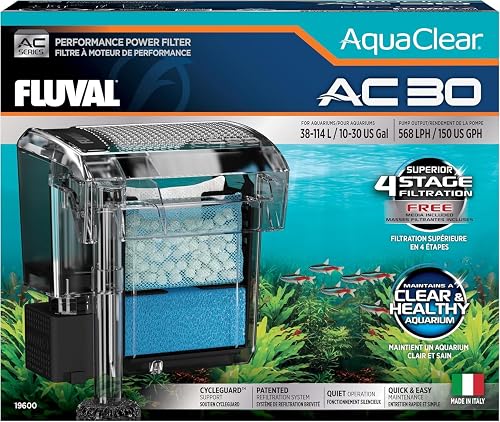
The relationship between filtration and aeration is symbiotic. A high-quality filter like the AquaClear provides mechanical and biological filtration, while the air stone handles gas exchange — together they create a comprehensive water management system that keeps your fish healthy and your water crystal clear.
Top Aquarium Air Stones & Bubble Walls for 2026
1. AquaClear Power Filter with Waterfall Aeration
The AquaClear Power Filter series provides excellent surface agitation through its waterfall-style output, complementing dedicated air stone aeration for comprehensive gas exchange. This HOB (hang-on-back) filter offers superior biological filtration capacity with its large foam insert, creating a stable ecosystem that works in harmony with supplemental aeration from air stones. The waterfall return naturally aerates water returning to the tank, making this a versatile choice for tanks between 10 and 30 gallons.
AquaClear 30 Power Filter on Amazon
2. API Freshwater Master Test Kit — Water Quality Monitoring
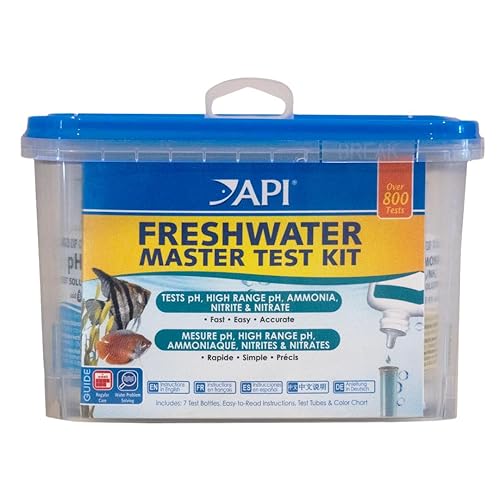
Maintaining proper water parameters goes hand-in-hand with effective aeration. The API Freshwater Master Test Kit allows you to monitor ammonia, nitrite, nitrate, and pH levels — all crucial for ensuring your oxygenation efforts are effective. When air stones are working properly, you'll see stable pH and near-zero ammonia levels thanks to the healthy bacterial activity that thrives in well-oxygenated environments.
API Freshwater Master Test Kit on Amazon
3. Fluval ClearMax Phosphate Removing Media
While not a traditional air stone, the Fluval ClearMax phosphate remover works synergistically with aeration systems to maintain pristine water quality. By removing phosphates and silicates that fuel algae growth, this chemical filtration media enhances the overall effectiveness of your oxygenation system. Clean water allows better light penetration for photosynthesis in planted tanks, which naturally produces oxygen during daylight hours.
Fluval ClearMax Phosphate Remover on Amazon
4. Boxtech Hang-On Filter with Built-in Aeration
For nano tanks and smaller setups under 10 gallons, the Boxtech Hang-On Filter combines mechanical, chemical, and biological filtration with built-in aeration features. The waterfall design naturally oxygenates water while the activated carbon and biochemical media maintain water clarity. This all-in-one solution is perfect for betta tanks, shrimp tanks, and desktop aquariums where space is at a premium.
Boxtech Hang-On Filter on Amazon
5. Ceramic Air Stone Diffusers for Fine Bubble Production
Ceramic air stones represent the gold standard in bubble diffusion technology. Their fine-pore construction creates ultra-fine bubbles that maximize surface area for gas exchange. These durable stones resist clogging better than traditional sandstone designs and can be cleaned periodically by soaking in vinegar or bleach solutions. Available in cylindrical, disc, and bar shapes, ceramic stones fit any aquarium layout and produce the quietest, most efficient aeration.
Ceramic Air Stone Diffusers on Amazon
6. Flexible LED Bubble Wall Wands for Visual Impact
Flexible bubble wall wands create dramatic curtains of bubbles along aquarium back walls, providing both functional aeration and stunning visual appeal. These bendable air stones can be curved to fit around decorations and plants, ensuring oxygenation reaches every corner of your tank. Available in lengths from 6 inches to several feet, bubble walls are ideal for showcasing schooling fish and creating natural-looking underwater environments.
Flexible Bubble Wall Wands on Amazon
7. High-Output Air Pump with Gang Valve Distribution
To power multiple air stones or a long bubble wall, you need a robust air pump with adjustable output. Look for models with dual outlets, a gang valve for controlling airflow to individual stones, and quiet operation. Domestic air pumps that feature rubber feet and internal sound dampening are ideal for living spaces where hum and vibration would be distracting. Match your pump's rated output (in liters per minute) to the number and size of air stones you plan to run simultaneously.
High-Output Aquarium Air Pump on Amazon
8. Complete Air Line Tubing & Check Valve Kit
Quality airline tubing and check valves are essential accessories for any air stone installation. Standard 3/16-inch silicone or vinyl tubing provides flexibility and durability, while check valves prevent dangerous back-siphoning during power outages. Invest in black or opaque tubing to prevent algae growth inside the lines, which can restrict airflow over time. A kit that includes connectors, T-joints, suction cups, and multiple check valves gives you everything needed for a clean, professional-looking installation.
Air Line Tubing & Check Valve Kit on Amazon
How to Choose the Right Air Stone for Your Tank
Tank Size and Air Pump Capacity
Match your air stone selection to your air pump's output capacity. Larger tanks require either multiple air stones or a single large-diffusion unit paired with a powerful air pump. Check your pump's rated output and ensure it can adequately drive your chosen air stones without strain. An undersized pump will produce weak bubble output and may overheat trying to push air through dense stone material. As a guideline, a medium-power pump can typically handle two ceramic stones or one 12-inch bubble wall effectively.
Material Quality and Durability
Invest in high-quality ceramic or glass-bonded air stones that resist degradation over time. Cheap sandstone air stones often crumble after several months, releasing sand particles into your tank and losing their fine-pore structure. Premium materials maintain consistent bubble size and output for years with proper maintenance. Ceramic stones with a glazed base (preventing air leaks around the connection point) are worth the modest premium over basic unglazed models.
Bubble Size and Distribution
Consider whether you need ultra-fine micro-bubbles for maximum gas exchange or larger bubbles for more dramatic visual effect. Fine-pore ceramic stones produce the smallest bubbles, ideal for oxygenation efficiency. Glass bead and medium-pore stones create slightly larger bubbles that rise faster, creating more water movement. Bubble walls and bars produce uniform curtains of medium-sized bubbles perfect for background displays. For breeding tanks with delicate fry, choose very fine-pore stones that won't create excessive current.
Aesthetic Integration
Choose air stone designs that complement your aquascaping. Disc-shaped stones can be buried just under the substrate surface or hidden behind decorations. Bar and wand styles work well when placed along tank walls. Consider clear airline tubing to minimize visual impact, and position air stones where they won't detract from your carefully arranged plants and hardscape. Some aquascapers intentionally position bubble walls to create dramatic vertical elements that frame their layouts.
Installation and Maintenance Tips
Proper Placement
Position air stones where they won't stir up substrate or disturb delicate plants. For maximum oxygenation efficiency, place them in areas with good water circulation to distribute oxygenated water throughout the tank. Avoid positioning directly under filter intakes, as this can pull air bubbles into your filtration system and reduce filter efficiency. In deeper tanks, placing stones at mid-level rather than the bottom reduces back pressure on the pump.
Check Valve Installation Is Critical
Always install a check valve in your airline tubing between the air pump and the air stone. This simple one-directional valve prevents back-siphoning during power outages — without one, water can flow backward through the airline, potentially draining your tank onto the floor and destroying your air pump. Install the check valve as close to the tank as possible, with the arrow on the valve pointing toward the air stone. Test annually by briefly unplugging the pump and watching for any water movement in the tubing.
Regular Cleaning Schedule
Clean air stones every 3-6 months to maintain optimal performance. Soak ceramic stones in a solution of white vinegar and water (1:1 ratio) for several hours to dissolve mineral deposits and calcium buildup. For stubborn biofilm, use a diluted bleach solution followed by thorough rinsing with dechlorinated water and complete air drying before reuse. Never scrub ceramic pores with abrasive brushes, as this can permanently damage the delicate pore structure and degrade bubble quality.
Air Stone Comparison Table
| Type | Bubble Size | Best For | Durability | Maintenance | Price Range |
|---|---|---|---|---|---|
| Ceramic Disc | Ultra-fine | Oxygenation efficiency, planted tanks | Excellent (2+ years) | Low | $$ |
| Ceramic Cylinder | Fine | General aeration, community tanks | Excellent (2+ years) | Low | $ |
| Bubble Wall Wand | Medium | Visual display, background decoration | Good (1-2 years) | Moderate | $$ |
| Glass Bead Diffuser | Medium-fine | Breeding tanks, hospital quarantine | Good (1-2 years) | Moderate | $$ |
| Sandstone Block | Variable | Budget/hobbyist starter setups | Poor (3-6 months) | High | $ |
| Flexible Rubber Wand | Medium | Custom shapes, curved placements | Moderate (6-12 months) | High | $ |
Pro Tips for Maximum Oxygenation
Nighttime Oxygenation Matters Most
During daylight, live plants produce oxygen through photosynthesis, supplementing your tank's dissolved oxygen levels. But at night, the situation reverses — plants actually consume oxygen while releasing CO2. This nighttime oxygen dip can stress fish in heavily planted tanks. Air stones on timers that run overnight compensate for this natural cycle, ensuring your fish never experience oxygen deprivation during the critical nighttime hours when plant respiration is at its peak.
Surface Skimming and Protein Removal
The bubbles from air stones naturally help break up surface film — that oily, iridescent layer that sometimes forms on aquarium surfaces. This surface agitation integrates surface proteins back into the water column where they can be processed by your filtration system. In tanks that struggle with persistent surface film, increasing air stone output or adding a dedicated surface skimmer attachment to your filter intake can make a dramatic difference in surface clarity and gas exchange efficiency.
Temperature and Oxygen Relationship
Warmer water holds less dissolved oxygen than cooler water. At 82°F (28°C), water holds roughly 15% less oxygen than at 72°F (22°C). This is why tropical tanks — particularly those housing species like discus that require elevated temperatures — benefit disproportionately from supplemental aeration. If you run your tank at the warmer end of the tropical range (78-82°F), doubling or tripling your aeration capacity is a wise precaution against oxygen stress.
Troubleshooting Common Issues
Weak or No Bubbles
If your air stone produces weak output, diagnose in this order: (1) Check for kinked or pinched airline tubing anywhere along the run; (2) Ensure the air pump's air intake isn't blocked by dust or debris; (3) Inspect the check valve for correct orientation (arrow pointing toward the tank); (4) Clean the air stone to restore pore function; (5) Verify the pump isn't undersized for the depth and number of stones. If the air pump diaphragm is over 2 years old, internal wear is likely causing reduced output and replacement is the solution.
Noisy Operation and Vibration
Air stones themselves are silent — noise almost always originates from the air pump. Place pumps on foam isolation pads to decouple vibration from furniture surfaces. Many pumps include integrated hanging hooks; using these to suspend the pump eliminates transmitted vibration entirely. Ensure airline tubing isn't pressed against tank stands or walls where it can buzz. Check valves can create a faint clicking sound if installed upside down; reversing orientation usually silences this.
Uneven Bubble Distribution in Bubble Walls
Long bubble walls and multi-outlet distribution systems may produce uneven output if air pressure isn't distributed evenly. Use gang valves with individual adjustment knobs to fine-tune airflow to different sections. Larger-diameter main airline feeding into smaller branch lines maintains consistent pressure. If one end of a bubble wall produces fewer bubbles, check for clogs specifically in that section by soaking the entire wand in vinegar solution overnight.
FAQ
Can I run air stones in a planted tank with CO2 injection?
Yes, but strategically. During daylight hours, limit surface agitation from air stones if you're injecting CO2, because vigorous surface agitation off-gases CO2 rapidly. Many planted tank keepers use timer-controlled air pumps that run air stones only at night when plants aren't photosynthesizing and CO2 injection is off. This prevents nighttime oxygen crashes while preserving CO2 efficiency during the daytime photoperiod.
How many air stones do I need for my tank?
For tanks under 20 gallons, a single medium ceramic air stone is usually sufficient. Tanks 20-55 gallons benefit from two stones positioned at opposite ends to create complementary circulation patterns. Large tanks over 55 gallons should use 3+ stones or a full-length bubble wall. A practical rule of thumb: one standard ceramic stone per 15 gallons of water volume for community tanks, and double that for heavily stocked or high-temperature tropical setups.
Will air stones raise my tank's pH?
Air stones can cause slight pH increases (typically 0.1-0.3) by driving off dissolved CO2, which forms weak carbonic acid in water. In most freshwater community tanks, this effect is minimal and usually beneficial. In soft water setups with sensitive species like South American cichlids or certain tetras, monitor pH for 48 hours after installing new aeration equipment to ensure stability. The effect is more pronounced in high-tech planted tanks with CO2 injection.
Can air stones replace a biological filter?
No, air stones complement but cannot replace filtration — they serve fundamentally different purposes. Filters provide mechanical straining of particles, biological conversion of toxic ammonia and nitrite, and chemical adsorption of dissolved compounds. Air stones exclusively handle gas exchange and water circulation. However, air stones do indirectly support biological filtration by ensuring oxygen-rich water flows through your filter media, which maximizes the efficiency of the aerobic nitrifying bacteria that process fish waste.
Related reading: Common Aquarium Fish Diseases: Symptoms, Treatment, and How to Prevent Them, Aquarium Gravel vs Sand: Which Substrate Is Actually Better?, How to Cycle an Aquarium: The Complete Nitrogen Cycle Guide for Beginners, Aquarium Water Test Kits & Conditioners, Aquarium Wavemakers & Circulation Pumps, Aquarium Frozen & Freeze-Dried Fish Food, Aquarium Algae Control Products & Cleaning Tools, Aquarium Quarantine & Hospital Tank Systems, Aquarium Canister Filters for Large Tanks, Aquarium Plant Tools & Aquascaping Kits, Aquarium Powerheads and Aquarium Sponge Filters.
Affiliate Disclosure: As an Amazon Associate, PawCritic earns from qualifying purchases. All product recommendations are based on thorough research, hands-on experience, and community feedback — never on affiliate relationships. Prices and availability are subject to change.
best aquarium best aquarium best aquarium